An American Airlines plane made an emergency landing in South Carolina after a bird strike sent flames from an engine shortly after takeoff.
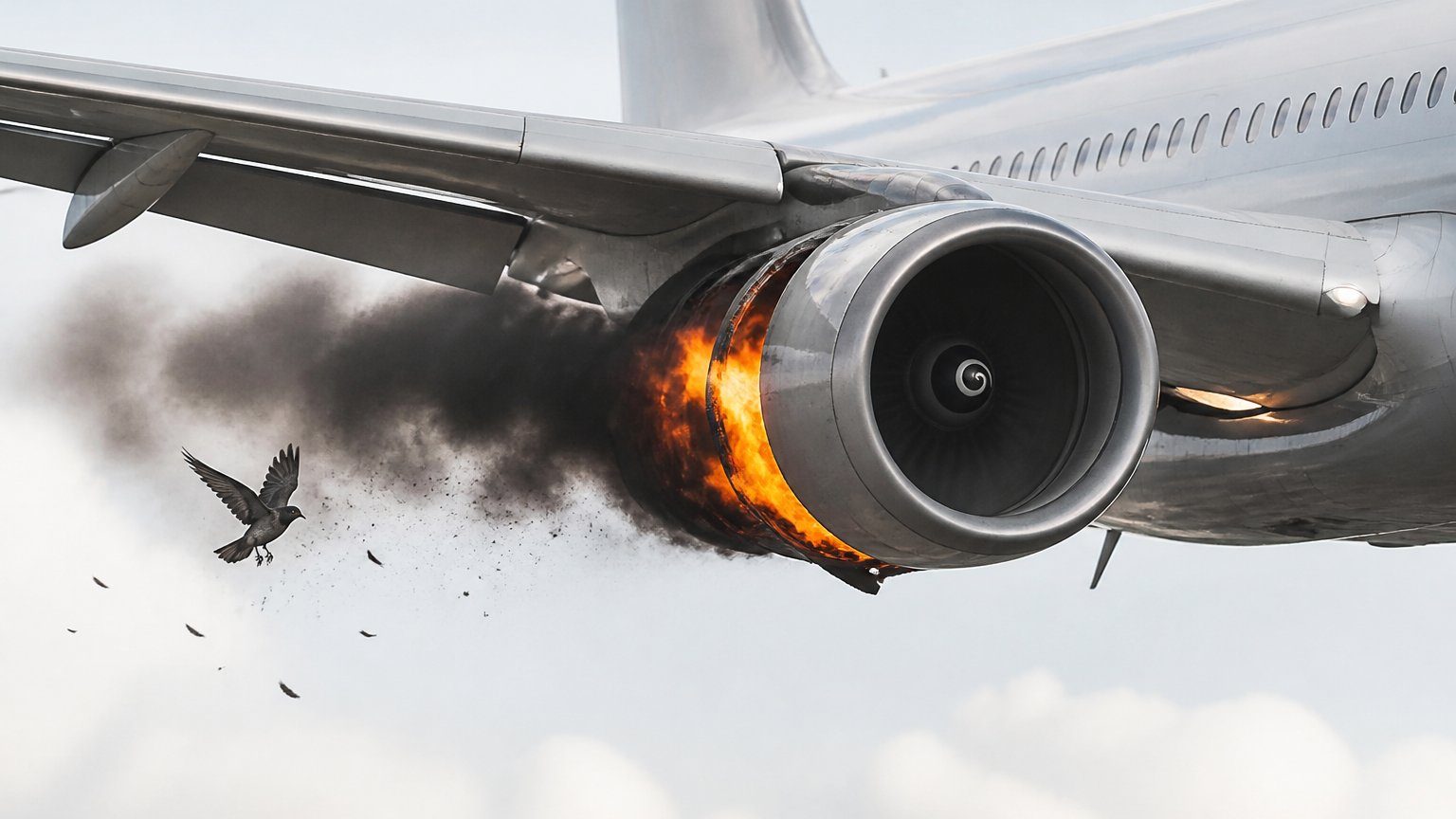
An American Airlines flight was forced to turn back to Myrtle Beach, South Carolina, and make an emergency landing after flames were seen coming from an engine shortly after takeoff, in what officials and early reports said appeared to be a bird strike. Flight 1760 had departed for Charlotte, North Carolina, carrying 172 passengers and nine crew members when the problem developed moments after liftoff.
Dramatic video recorded by passenger Patrick Gotwalt showed orange flames streaming from beneath the left wing of the Boeing 737 as it climbed and flew over the water. The footage captured the alarming sight of fire-like flashes and smoke trailing from the aircraft soon after departure. From the beach, nearby witness Lindsey Mackey told CNN that she heard several loud popping noises before the orange flashes appeared from the wing, adding to the sense that something had gone wrong immediately after takeoff.
Air traffic recordings provide a glimpse into how quickly the situation escalated. Shortly after departure, the pilot radioed, “Mayday, mayday, mayday. We’ve got an engine problem here,” according to a LiveATC recording. Another pilot, who appears to have witnessed the incident, said on the radio, “I saw he took up birds, it looked like, at least in the left side engine.” The comments suggested that birds were drawn into the engine area, an event that can create a sudden emergency without necessarily causing a full engine fire.
As the aircraft circled back toward the airport, operations workers on the ground reported finding bird remains scattered on the runway. One worker was heard on the radio saying, “We’ve got a lot of bird debris out here. We’re going to grab as many big pieces as we can.” That debris was consistent with the apparent strike reported by the pilots and helped explain why the plane had to return so soon after departure.
“An American Airlines plane made an emergency landing in South Carolina after a bird strike sent flames from an engine shortly after takeoff.”
American Airlines later said the flight returned to Myrtle Beach shortly after takeoff because of a maintenance issue. In a statement, a spokesperson said the aircraft landed safely and had been taken out of service to be inspected by the airline’s maintenance team. The airline’s description aligned with the standard response to an in-flight mechanical concern, particularly when an engine has been exposed to a suspected bird strike.
Early reports indicated that the flames may have been caused by birds burning up after impact rather than by a fire inside the engine itself. That distinction matters in aviation, because bird ingestion can produce flames, smoke, and engine damage even when there is no sustained internal fire. Engines are built to withstand a range of conditions, but a large bird strike can still disrupt airflow, damage components, or force pilots to shut down equipment as a precaution.
Bird strikes are a known risk in commercial aviation, especially during takeoff and landing when aircraft are low to the ground and more likely to intersect with birds in the area. Airports and airlines use wildlife management practices to reduce the danger, but they cannot eliminate it entirely. Pilots are trained to respond rapidly when an engine issue is reported, and the emergency call on this flight reflected the urgency of the situation.
The episode ended without any reported injuries, but it briefly transformed a short regional flight into a serious emergency and required a quick return to the airport. For passengers, crew members and people watching from the beach, the incident offered a vivid reminder of how quickly a routine departure can change when wildlife enters an aircraft’s path. The plane remained grounded pending inspection, while investigators and maintenance crews assessed the damage and the circumstances surrounding the strike.
Frequently asked questions
What happened to the American Airlines flight?
Flight 1760 returned to Myrtle Beach after reporting an engine problem shortly after takeoff. Flames were seen coming from beneath the left wing after an apparent bird strike.
How many people were on board?
The flight carried 172 passengers and nine crew members.
Did the plane land safely?
Yes. American Airlines said the aircraft landed safely and was taken out of service for inspection.
What caused the flames?
Early reports indicated the flames were likely caused by birds burning up after impact, rather than a fire inside the engine itself.
We value your privacy 🍪We use cookies for essential features and, if you allow it, to send you a notification whenever we publish a new story. See our Privacy Policy.
📨
Never Miss a Story
Get the headlines that matter delivered straight to your inbox.
📱 On iPhone: tap the Share icon, choose “Add to Home Screen”, then open TheTrueDefender from your Home Screen and tap 🔔 to turn on notifications. (Apple only allows notifications for saved web apps.)
🔔
Never miss a breaking storyGet free alerts the moment big US news breaks.
1Tap the ••• menu at the bottom of the screen, then tap Share(in Safari, just tap Share in the bottom bar directly)2Scroll down the menu and tap Add to Home Screen3Tap Add in the top-right corner4Open TheTrueDefender from your Home Screen, then tap 🔔 Subscribe and choose Allow
📱 Add TheTrueDefender to your home screen for one-tap access.