⚡ BREAKING
California Pulls Paraquat as Cancer Fears Grow

California Pulls Paraquat as Cancer Fears Grow

California has canceled its last paraquat product as Ladera Ranch families press for answers about a reported cluster of rare childhood cancers.

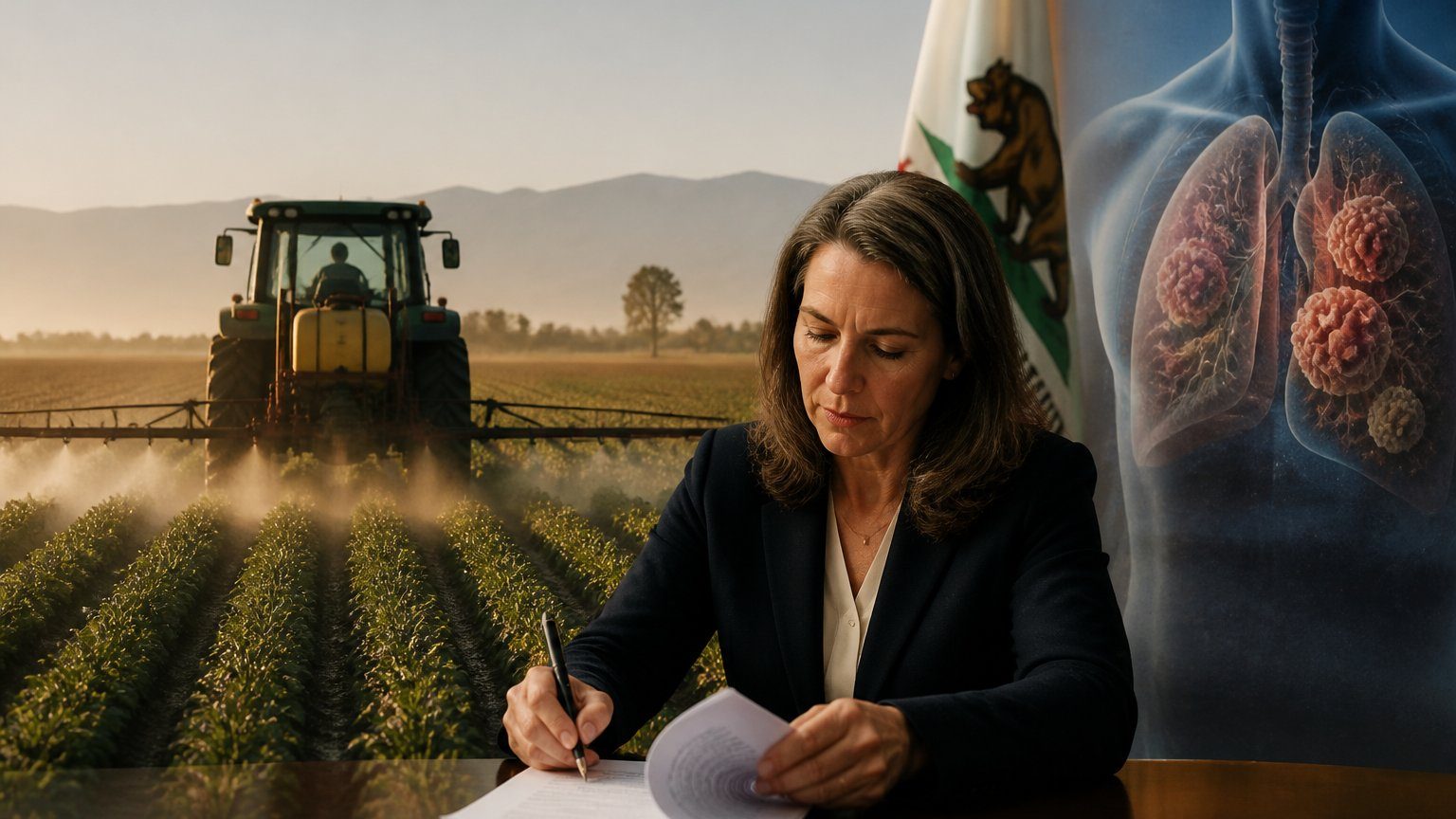
California’s paraquat ban is moving forward as families in Ladera Ranch, a Southern California community, continue to seek answers about a reported cluster of rare childhood cancers. The state’s Department of Pesticide Regulation said Monday that its last paraquat pesticide product has been canceled, marking a major step against a chemical long viewed as one of the most dangerous weedkillers allowed in the United States.

Paraquat is the active ingredient in commercial herbicides including Gramoxone, Para-SHOT, Helmquat, Cyclone and Firestorm. The chemical has been tied to Parkinson’s disease, is banned in more than 70 countries, and has drawn fierce criticism from farmworker groups, environmental advocates and health organizations for years. An Environmental Protection Act website carries a blunt warning that reads, “Paraquat Dichloride: One Sip Can Kill.” The agency has also said exposure can cause serious illness even when it does not kill, including cancer, heart failure, kidney failure, liver failure and scarring of the lungs.

California is the largest user of paraquat in the nation, with more than three-quarters of its use concentrated in eight San Joaquin Valley counties. The chemical is also among the state’s five most-used pesticides. That makes the state’s decision significant far beyond one product name, especially in an agricultural system that relies heavily on herbicides to keep fields productive and costs down. For many rural communities, the concern is not only what is sprayed, but where those chemicals drift once they leave the field.

The action comes amid growing alarm in Ladera Ranch, an affluent Orange County community where residents have raised concerns over a reported group of rare childhood cancers. Since 2007, about nine children connected to the community have been diagnosed with Ewing sarcoma, a rare cancer that primarily affects children and young adults. Health officials have said no environmental cause has been identified, but families have questioned whether years of pesticide and herbicide use could have played a role. The issue has become deeply personal for residents as the toll has mounted.

Two recent deaths underscored that pain. Brody Matteson, 17, died in March 2026 after battling Ewing sarcoma for nearly two years. Lily Dalton, 23, died in January 2026 after fighting the disease after her college graduation. Their deaths have kept pressure on local and state leaders, while residents continue to push for clarity on whether environmental exposure deserves a closer look. The paraquat decision does not tie the chemical to the Ladera Ranch cases, but it has sharpened public attention on broader pesticide risks.

California’s review of paraquat came after conservation and public health groups pressed the state to restrict or eliminate its use. A.B. 1963, passed in 2024, required continued review of the herbicide. State analysts found possible threats to birds and mammals, including the San Joaquin kit fox and Swainson’s hawk, and warned that some wildlife protections may not work because paraquat persists in the environment. The review also raised public health concerns, citing an association between paraquat and thyroid disease, along with possible birth and reproductive harms.

Researchers have also found that exposure in California agricultural communities is associated with higher risks of Parkinson’s disease and thyroid cancer. Farmworkers and nearby residents can face greater exposure when dust from treated fields blows into surrounding neighborhoods. That risk has helped fuel long-running opposition to the chemical, especially in places where homes sit near active farmland and families worry about what enters the air, soil and water around them.

California’s move also highlights a split with Washington. Vermont has already enacted the nation’s first paraquat ban, while the Environmental Protection Agency recently announced plans for a roundtable with stakeholders to discuss regulation of the chemical. Nathan Donley, environmental health science director at the Center for Biological Diversity, said California and other states are moving aggressively to protect people, while the EPA is bogging the issue down in red tape. Farmworker groups, environmentalists and health organizations represented by Earthjustice sued the EPA in 2021 over its reapproval of paraquat.

The debate has now reached the federal level in another way, after First Assistant US Attorney Bill Essayli last month asked EPA Administrator Lee Zeldin to investigate whether environmental factors may be contributing to the reported cancer cases in Ladera Ranch and whether federal environmental laws may have been violated. The paraquat crackdown matters because it shows how state action, community pressure and federal scrutiny are colliding over pesticide safety, and because American families living near fields want clear answers before the next child gets sick.

Frequently asked questions

What did California do with paraquat?
The California Department of Pesticide Regulation announced that the state’s last paraquat pesticide product has been canceled.
Why is paraquat drawing so much concern?
Paraquat has been linked to Parkinson’s disease, is banned in more than 70 countries, and is considered one of the most lethal herbicides approved for use in the US.
What is happening in Ladera Ranch?
Residents have raised alarms over a reported cluster of rare childhood cancers, including about nine Ewing sarcoma cases connected to the community since 2007.
Has an environmental cause been identified in Ladera Ranch?
Health officials have said no environmental cause has been identified, though families have questioned whether pesticide and herbicide exposure could be a factor.
Full coverage: California
Newsom Calendar Shows 18 ‘No Official Business’ Days
Up Next · in Politics

Newsom Calendar Shows 18 ‘No Official Business’ Days

4 min read Continue reading

More from US News

View all →
🇺🇸

The Defender Morning Brief

5 stories Americans need to know. 3 minutes. Every morning. Free.