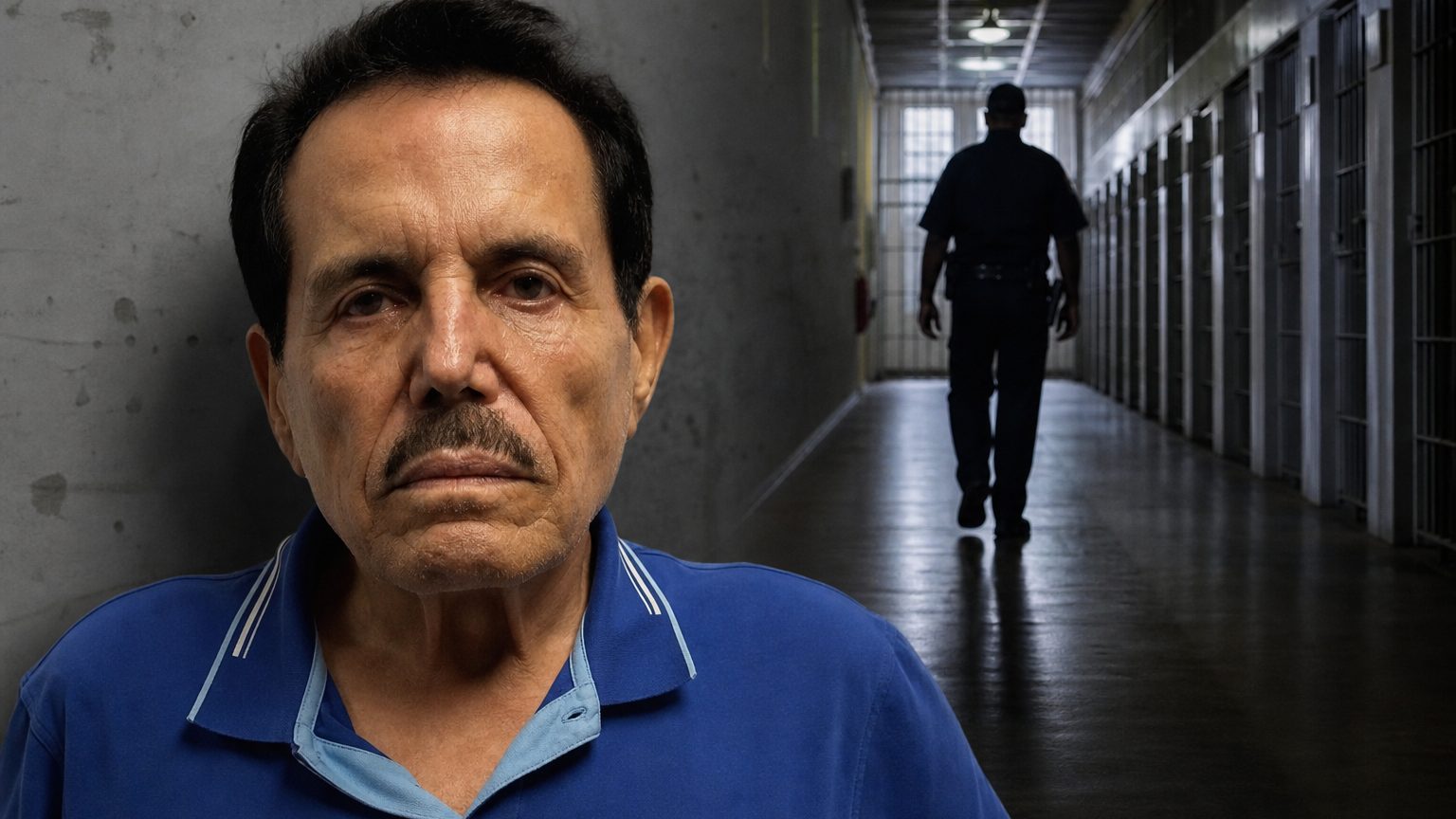
El Mayo Zambada, founder of the Sinaloa Cartel, was sentenced to life in prison in Brooklyn after admitting drug smuggling and conspiracy charges.
Ismael Zambada, the Sinaloa Cartel co-founder known as El Mayo, was sentenced to life in prison in the US after a federal judge in Brooklyn imposed the mandatory punishment tied to his guilty plea. The El Mayo Zambada sentence comes two years after he was brought into US custody in a sting operation that sent him to Texas instead of northern Mexico.
US District Judge Brian Cogan handed down the sentence on Monday, Reuters reported. Zambada, 76, had already reached a plea deal last year and admitted to drug smuggling and conspiracy charges in exchange for avoiding the death penalty. His plea also meant he accepted his role in helping build the criminal network that prosecutors say moved huge amounts of cocaine and other drugs into the United States.
Zambada founded the violent Sinaloa Cartel with Joaquin Guzmán, known as El Chapo, at the end of the 1980s. Prosecutors said in a sentencing memo, according to CBS News, that he was among the most prolific and powerful narcotraffickers in the world. El Chapo is also serving a life sentence in the US.
The case has also put a spotlight on the cartel’s internal war. After Zambada was taken into custody, violence inside the Sinaloa Cartel intensified and hundreds of people have been reported missing in fighting between rival factions in the Mexican state of Sinaloa. The turmoil followed earlier bloodshed after El Chapo’s arrest and extradition to the US in 2016, when different groups fought for territory and clashed with other drug gangs.
There is still one open question: where Zambada will serve out his sentence. He has asked to be placed in a prison hospital because of age-related health problems. Federal prosecutors want a more restrictive prison setting, saying he could still pose a security threat and direct illegal drug operations from behind bars. The Bureau of Prisons will make the final call. For the US, the case shows how cartel leaders can still be brought to justice, but also how these criminal networks keep threatening public safety on both sides of the border.