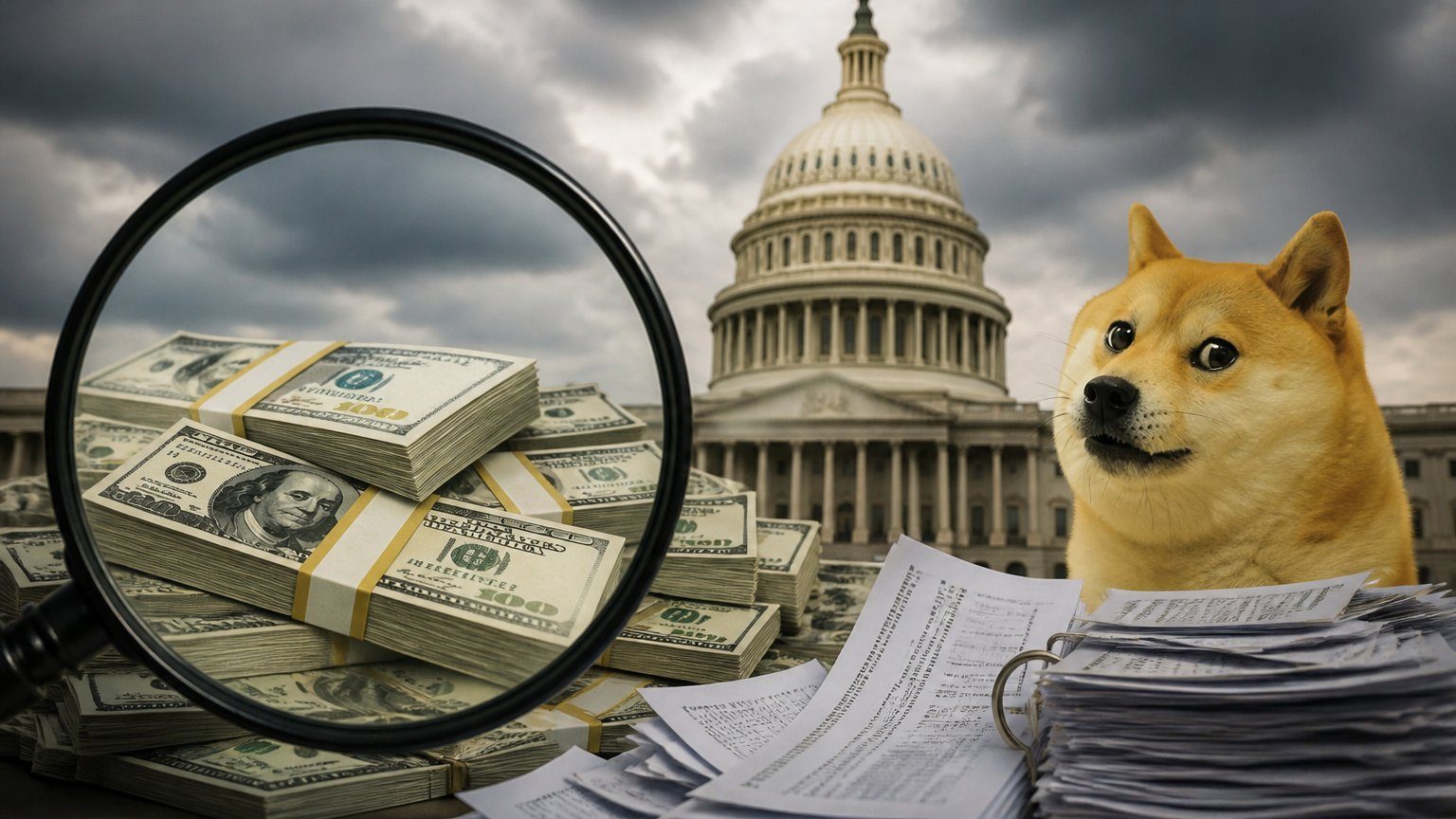
The GAO has cast doubt on Doge’s $110 billion savings claims, saying many of the figures behind the Department of Government Efficiency’s headline numbers were incorrect or unsupported. The federal watchdog said the program’s Wall of Receipts lacked the transparency needed to show how the savings were calculated.
The Government Accountability Office released its review on Thursday after examining Doge’s public claims about savings across contracts, grants and leases. Doge said on its website that it had identified an estimated $110 billion in savings, but the GAO said several issues made those claims unreliable. The report said Doge did not provide enough information to verify the method used to calculate 96% of the savings it reported.
One of the clearest problems involved leases. The watchdog said 108 of the 264 leases Doge listed for termination were already ending before the group was created. Those leases accounted for about $15.3 million of the $53.5 million in savings Doge claimed in that area. The GAO also said the Wall of Receipts did not explain how it arrived at the lease savings totals.
The report also found examples of savings that never materialized. It cited a $1.7 billion claim tied to ending a Defense Department IT services contract, but said the contract was never actually terminated. As a result, the watchdog said, no savings were achieved from that item. The GAO said Doge’s materials did not sufficiently disclose the limits of the underlying data.
A White House official responded by saying the administration told the GAO that all employees had to complete ethics training and follow financial disclosure rules. Doge itself was not an official government department, though it launched at the start of President Trump’s second term and closed last month. Its online Wall of Receipts was meant to display taxpayer savings publicly.