New Orleans is now using AI to help handle 911 calls, a first for a major U.S. city, as critics warn of dangerous mistakes.
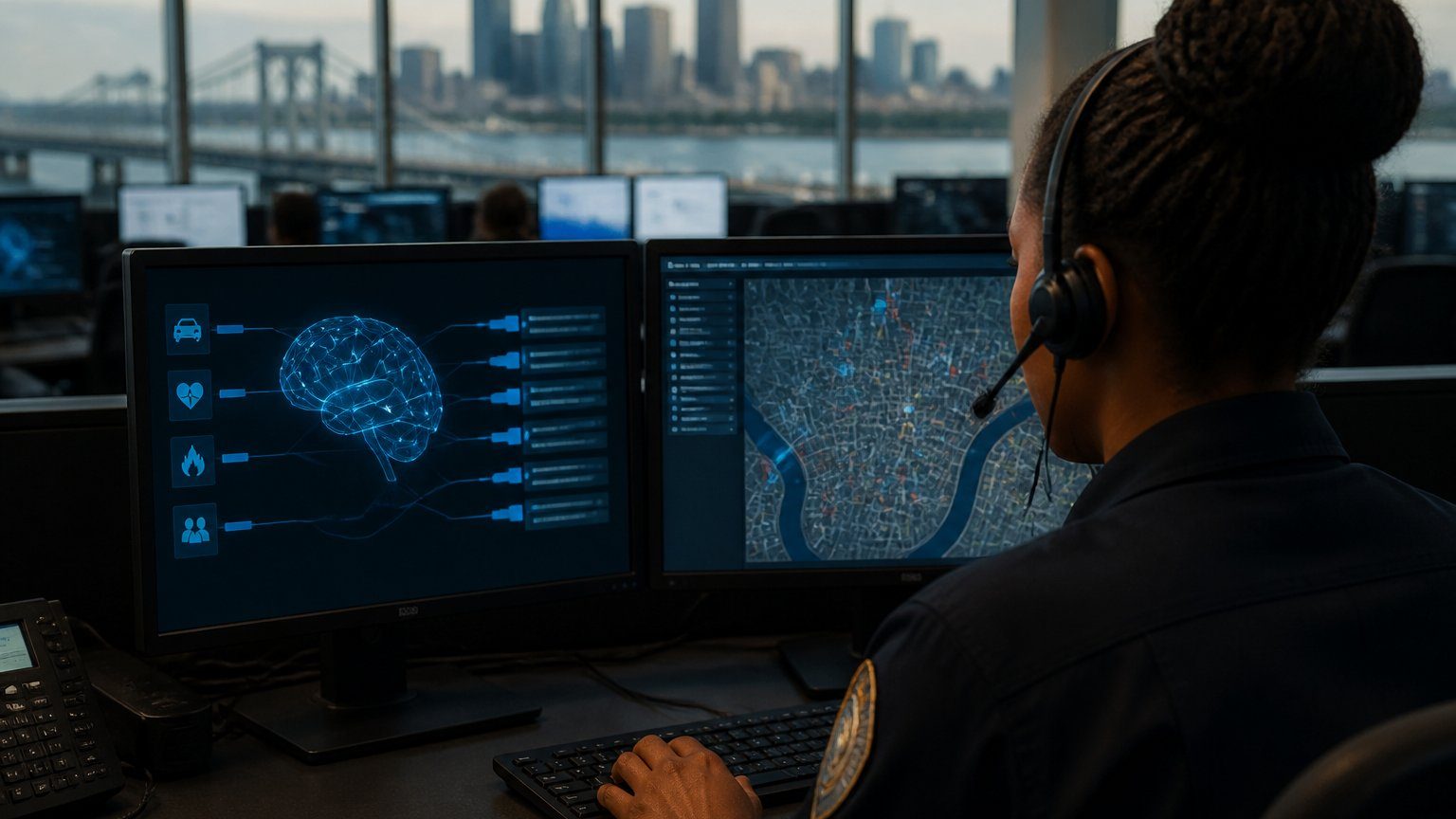
New Orleans has become the first major U.S. city to use AI to answer and sort 911 calls, a move that is drawing sharp concern from dispatch and public safety critics who say the technology could make emergencies more dangerous. The change centers on the Orleans Parish Communication District, which receives more than a thousand emergency calls a day and now routes some of them through an artificial intelligence system before human dispatchers get involved.
The tool, called AI Emergency Call Triage, was rolled out in late July after earlier testing on the city’s 311 line. Under the system, the AI reviews incoming calls and decides which ones should be passed to a live dispatcher and which ones can be handled by the bot. Officials say the goal is to keep human operators from being overwhelmed by repeat or lower-priority calls during periods of heavy volume.
Karl Fasold, executive director of the Orleans Parish Communication District, said the system is not replacing human dispatchers. He said it will mainly be used when a caller is located within about 200 meters of a crash that has already been reported, and when human call-takers are tied up. That explanation is meant to reassure residents that the AI 911 system is a support tool rather than a substitute for trained people.
Not everyone is convinced. One critic who said he had worked as a 911 dispatcher for 11 years called the move the worst idea he could imagine. Posting under the name Boxy, he argued that emergency calls often involve people who are frightened, hard to understand or unable to explain what is happening clearly. He said dispatchers must be able to pick up on tone, stress and what callers are not saying, especially in cases involving domestic violence or callers who may speak in unusual ways because they are under pressure.
“New Orleans is now using AI to help handle 911 calls, a first for a major U.S. city, as critics warn of dangerous mistakes.”
New Orleans appears to be the first major municipality in the country to let AI actually answer emergency calls, though other cities have already folded artificial intelligence into dispatch systems in smaller ways. Atlanta uses AI to help live dispatchers locate callers faster, while Seattle began using similar technology in 2024 to help decide which callers need a faster response. A Seattle Times investigation reported that Seattle used the technology for more than two years without telling the public.
The debate comes at a time when confidence in voice-based AI remains shaky. Multiple studies have found that chatbots and voice systems can produce incorrect or misleading answers, and critics say that risk becomes much more serious when the caller is in distress and may not speak clearly. Researchers have also warned that voice systems can be manipulated from the outside and may pick up hidden biases from the data used to train them.
Those concerns are fueling broader questions about how far public-safety agencies should go in automating emergency response. Supporters argue that AI can help triage overloaded systems, while opponents say 911 is not the place for experimental technology. The New Orleans case is likely to be watched closely by other cities weighing whether to use AI in dispatch, because any failure in this system could have immediate consequences for real people in crisis.
Officials in New Orleans say they believe the system can work with human oversight, training data, cybersecurity and algorithm rules in place. For Americans watching this unfold, the bigger question is whether efficiency in emergency response can ever be trusted when seconds matter most.
Frequently asked questions
What is New Orleans doing with 911 calls?
The city is using an AI system called AI Emergency Call Triage to sort incoming emergency calls. It decides which calls go to human dispatchers and which can be handled by the bot.
When was the system deployed?
Officials rolled it out in late July after testing it on the city’s 311 hotline.
Why are critics worried?
A former dispatcher who commented on the change said emergency callers can be hard to understand, especially in stressful or domestic situations. Critics fear the AI could miss cues a human would catch.
How does New Orleans say the AI will be used?
Karl Fasold said it will not replace human dispatchers. He said it will mainly be used when a caller is near a crash already reported and when human call-takers are busy.
We value your privacy 🍪We use cookies for essential features and, if you allow it, to send you a notification whenever we publish a new story. See our Privacy Policy.
📨
Never Miss a Story
Get the headlines that matter delivered straight to your inbox.
📱 On iPhone: tap the Share icon, choose “Add to Home Screen”, then open TheTrueDefender from your Home Screen and tap 🔔 to turn on notifications. (Apple only allows notifications for saved web apps.)
🔔
Never miss a breaking storyGet free alerts the moment big US news breaks.
1Tap the ••• menu at the bottom of the screen, then tap Share(in Safari, just tap Share in the bottom bar directly)2Scroll down the menu and tap Add to Home Screen3Tap Add in the top-right corner4Open TheTrueDefender from your Home Screen, then tap 🔔 Subscribe and choose Allow
📱 Add TheTrueDefender to your home screen for one-tap access.