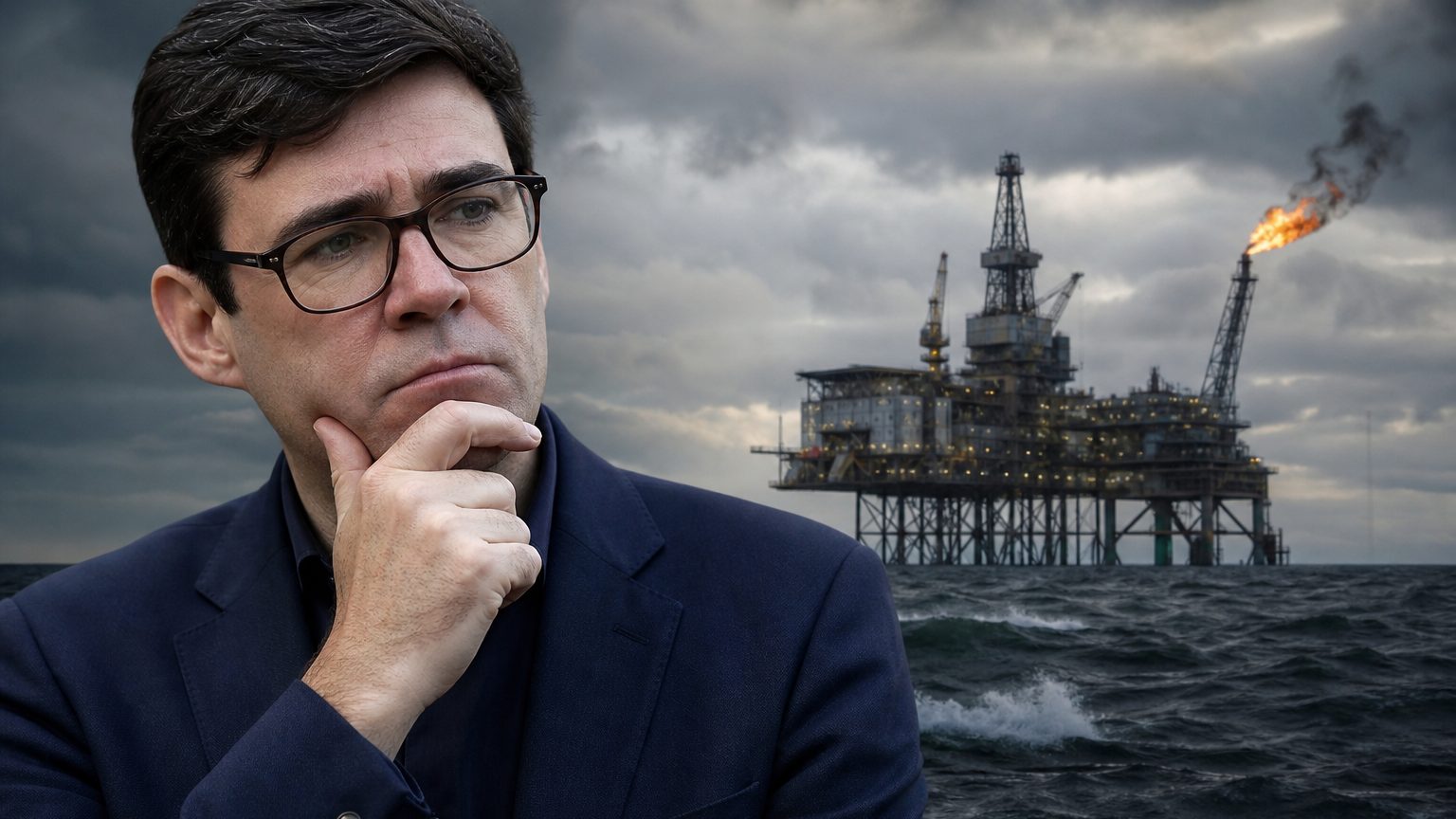
North Sea oil is set to be a test of Andy Burnham’s first days in office, with Labour expected to keep its no-new-licences pledge but signal a shift in emphasis.
North Sea oil is shaping up to be one of Andy Burnham’s first big tests as he prepares to enter Downing Street. Reports over the weekend said the incoming prime minister is expected to back existing North Sea oil and gas activity while stopping short of opening the door to new drilling licences.
BBC reporting on Saturday said Burnham would stick to Labour’s 2024 manifesto promise not to issue new oil and gas licences. That position was backed up on Sunday by Labour deputy leader Lucy Powell, who said the party would keep its commitments but adopt a “change of emphasis” on North Sea oil and gas.
Powell told Laura Kuenssberg that Labour still sees homegrown clean energy as the long-term route to energy security and lower bills. She added that North Sea gas and oil remains “an important part” of the transition, and said Burnham wants a more pragmatic approach that works with industry as part of the wider energy mix. For now, one thing appears clear: the new prime minister is not expected to approve the controversial Rosebank and Jackdaw fields on day one.
Those projects were backed by the previous Conservative government, but they are being reconsidered after a successful legal challenge from Greenpeace and Uplift. The groups argued ministers failed to account for the full climate impact of the fossil fuels the fields would produce. Even though production facilities are already in place at both sites, the Offshore Petroleum Regulator for Environment and Decommissioning is still handling a lengthy process, and consultations run until August.
Beyond those fields, Burnham also faces decisions on exploration licences. Labour’s manifesto pledged to ban new licences, and Energy Secretary Ed Miliband has already carried that out. The government has, however, allowed some “tie-backs” in unlicensed areas linked to nearby licensed infrastructure, a move that stretches the pledge without formally breaking it. The industry says it does not want to spend heavily on completely new exploration anyway, as major firms such as BP, Shell and TotalEnergies have been selling assets to smaller operators focused on extracting what is left in known fields.
Another major issue is the Energy Profits Levy, the windfall tax introduced when energy prices jumped after Russia’s invasion of Ukraine. It carries a headline rate of 78 percent and applies whether prices are high or low. The industry says it has made the North Sea less attractive to investors, while operators prefer the replacement tax due in 2030 because it only bites when prices rise. For Burnham, the North Sea oil debate will quickly show whether he is making headlines or setting a course for jobs, investment and energy security. The plain truth is that his energy choices will affect whether the North Sea keeps playing a serious role in Britain’s future.