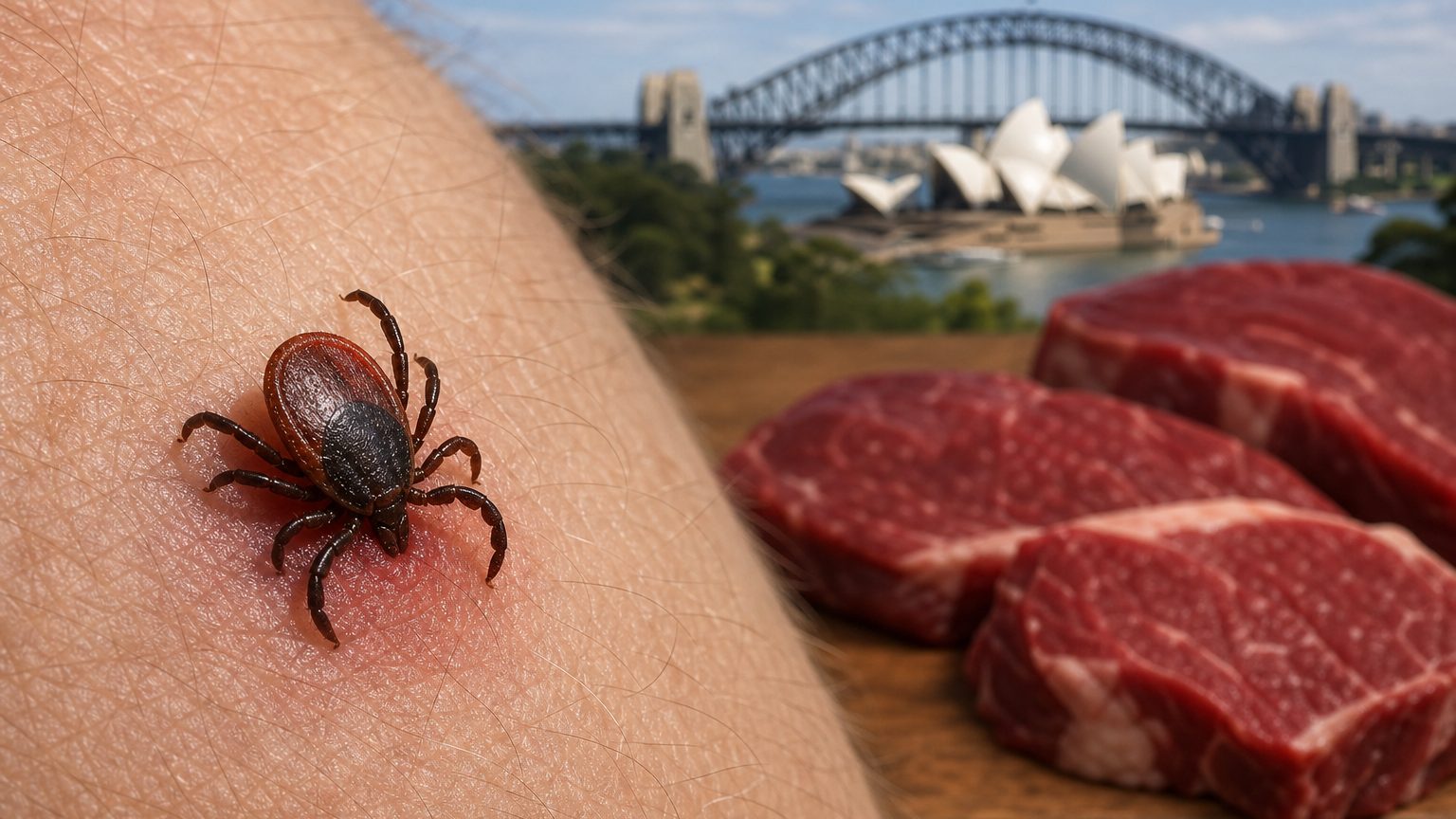
Tick bites can trigger mammalian meat allergy on Australia’s east coast, where one family’s loss has put the condition in the spotlight.
Tick bites are being tied to a growing case of mammalian meat allergy on Australia’s east coast, after a coroner ruled that a Sydney-area teenager’s death was caused by the condition. The case has drawn fresh attention to mammalian meat allergy, also known as alpha-gal syndrome, and the danger it can pose when it is missed or mistaken for something else.
Myfanwy Webb says she now believes she missed a chance to save her son Jeremy’s life at his birthday lunch five years ago. Hours after eating at a restaurant, the then-15-year-old struggled to breathe, then began vomiting. Doctors at the hospital suspected a meat allergy but ultimately blamed asthma, which he had had since early childhood, and he was sent home the next day. Just over a year later, in June 2022, Jeremy died after eating a beef sausage on a camping trip near a beach north of Sydney.
His death was first recorded as asthma. But after an inquest requested by his family, a coroner ruled in February that an asthma attack and fatal anaphylaxis had been triggered by tick-induced mammalian meat allergy. It is believed to be the first death in the world known to have been caused by MMA. Webb says Jeremy had shown signs for years, including nausea after eating meat and, at times, after smelling roast meat fumes. He had also been hospitalized after eating marshmallows, which can contain animal-derived gelatin.
Experts say the condition is linked in Australia to bites from the eastern paralysis tick. Prof Sheryl van Nunen, who first noticed the connection at her Sydney allergy clinic nearly 20 years ago, says about half of people will develop antibodies after two tick bites, and some of those will go on to develop meat allergy. Doctors and researchers say the east coast, especially north of Sydney, has become a hotspot, with some areas reporting more than 700 sufferers per 100,000 people. A recent study led by Dr Alex Gofton found cases have climbed by 22% a year since 2020, and he estimates there are more than 5,000 suspected cases in Australia.
Diagnosing mammalian meat allergy can be difficult because symptoms often appear at night, hours after a meal, and can be confused with asthma or other problems. Van Nunen says it can be an “anytime but not an every time allergy,” with reactions shaped by the type of meat, how it is cooked, alcohol, exercise, sleep loss, and even exposure to other mammal products. She also warns that many people may not know they have the allergy, which matters because some medicines and medical products contain animal-derived ingredients. For Webb and others, the goal now is simple: better awareness, better testing, and better treatment so another family does not go through the same loss. Why this matters to you: a tick bite can set off a hidden allergy that may turn deadly without warning.