⚡ BREAKING
Trump Plane Switch in Turkey Raises Risk Questions

Trump Plane Switch in Turkey Raises Risk Questions

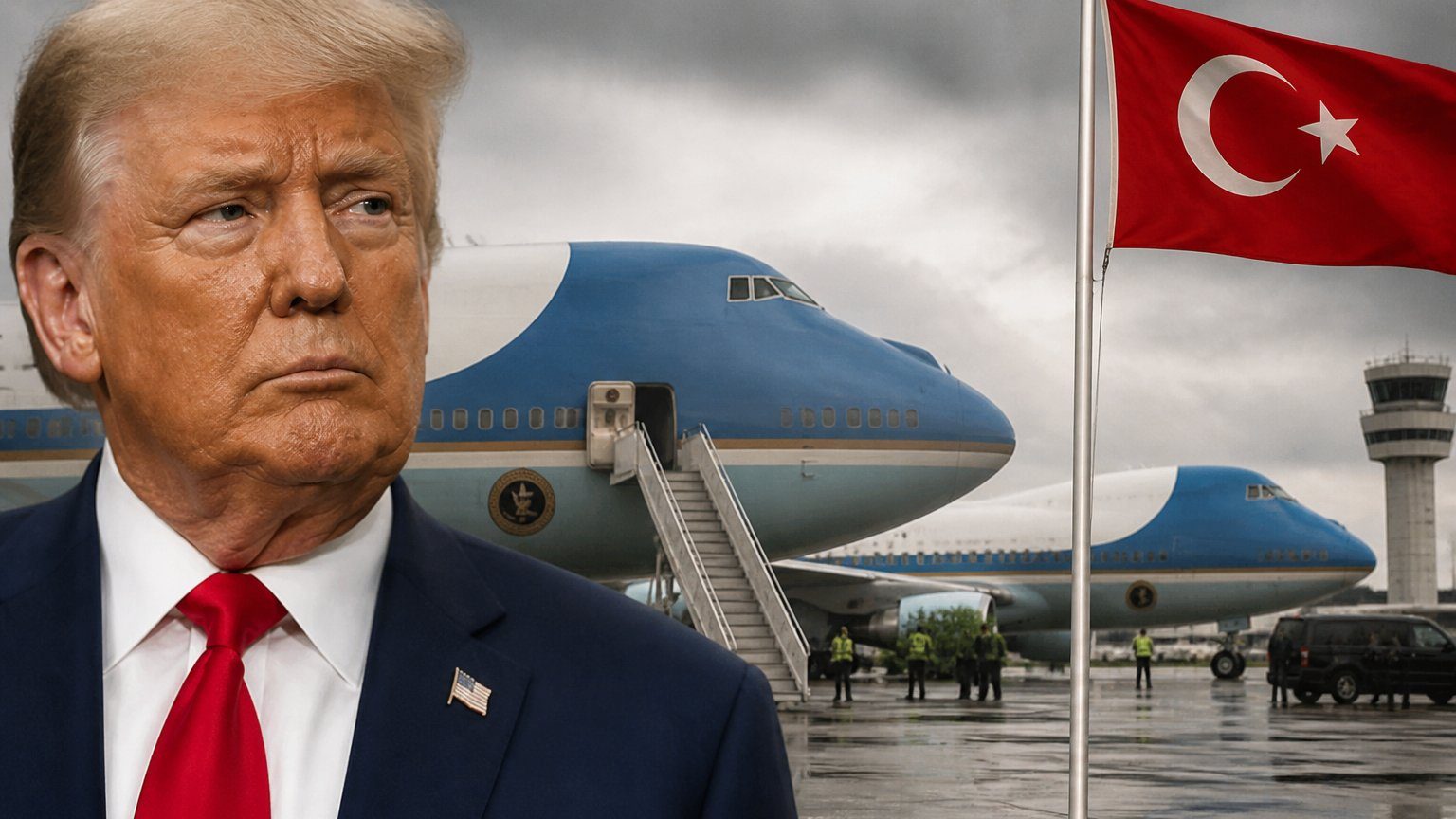
A reported Trump plane switch in Turkey put a U.S. security tactic under scrutiny after staff and reporters stayed on the decoy Air Force One flight.

President Donald Trump’s reported plane switch in Turkey has raised fresh questions about the safety of the people who stayed aboard the decoy Air Force One flight. During last month’s NATO summit, Trump reportedly moved to a military jet while White House staff, Secret Service agents, U.S. military members and journalists remained on the older aircraft that later flew on to the United Kingdom.

The move was tied to a credible Iranian threat, according to the reporting, and the White House did not respond to a request for comment on whether officials separately assessed the risk to the passengers left behind. That group could have included Secretary of State Marco Rubio. It also was not clear what protective measures, if any, were in place for those aboard the original plane during the flight.

Air Force One is the call sign for the plane carrying the president, not a single aircraft. The Washington Post first reported that Trump quietly switched to another military jet after appearing to board the older aircraft in Turkey. Trump later rejoined the group before the return trip home, according to the report. A separate Wall Street Journal follow-up said Israeli intelligence had briefed the administration on a threat involving shoulder-fired missiles aimed at Air Force One.

Former Secret Service agent Bill Gage said the passengers left on the plane “probably did face an elevated risk,” while also describing the move as a calculated answer to the threat around Trump. He said the operation was likely kept tightly held. “Very few people would have been told about this plan ahead of time,” Gage said. He added that the seriousness of the threat appeared to justify the switch and suggested senior officials and intelligence agencies were involved in shaping the response.

Trump later told reporters they were likely on a dangerous flight because of the people threatening him. When asked why reporters had been told to close their window shades during takeoff, he said, “You’re probably on a dangerous flight because of the sleaze bags that we have to deal with.” He also said, “I’m number one on their list, before you,” adding that if he went down, reporters would go too.
Former senior Secret Service official Robert “Bobby” McDonald said deceptive presidential movements, sometimes called shell games, are rare but part of the protection playbook when the intelligence calls for it. He said he believed both planes were probably being watched and escorted. “There’s no way in the world that the Secret Service, the White House staff, and the White House military office, were going to let those two planes dangle out there and and and be fending for themselves,” he said. The Pentagon and Air Force sent questions to the White House.

The episode fits a long history of presidential security deception, though the reported Turkey operation stood out because journalists and staff were used as part of the decoy flight. Trump’s move was compared with past protective tactics, including President Bill Clinton’s 2000 visit to Pakistan, when a marked decoy aircraft arrived first and agents disembarked before Clinton landed separately. CNN anchor Jake Tapper said previous administrations had used deception to protect presidents, but he had not heard of a case where a full aircraft of staff and reporters was used as the decoy during an active threat.

Former White House press secretary Ari Fleischer defended the tactic if the threat was real, saying the priority had to be the president’s safety. For Americans, the story underscores how high the stakes can be when presidential travel intersects with foreign threats, and it leaves open a basic question: how far should secrecy go when protecting the commander in chief also puts others aboard the flight at risk?

Frequently asked questions

Why did Trump reportedly switch planes in Turkey?
The reporting says officials moved Trump to a military jet because of a credible Iranian threat involving Air Force One.
Who stayed on the original aircraft?
White House staff, Secret Service agents, U.S. military members and journalists remained aboard the decoy plane. Marco Rubio could have been among them.
Did the White House explain what protection was in place for the passengers left behind?
The White House did not respond to questions about whether officials assessed a separate risk to those passengers. The protective measures, if any, were not made public.
Has the government used decoy aircraft before?
Yes. The article cites President Bill Clinton’s 2000 trip to Pakistan as one example of a decoy aircraft being used for protection.
Full coverage: Donald Trump
Trump Ends Medicaid Funding for Gender Transition Surgeries
Up Next · in Politics

Trump Ends Medicaid Funding for Gender Transition Surgeries

3 min read Continue reading

More from Politics

View all →
🇺🇸

The Defender Morning Brief

5 stories Americans need to know. 3 minutes. Every morning. Free.