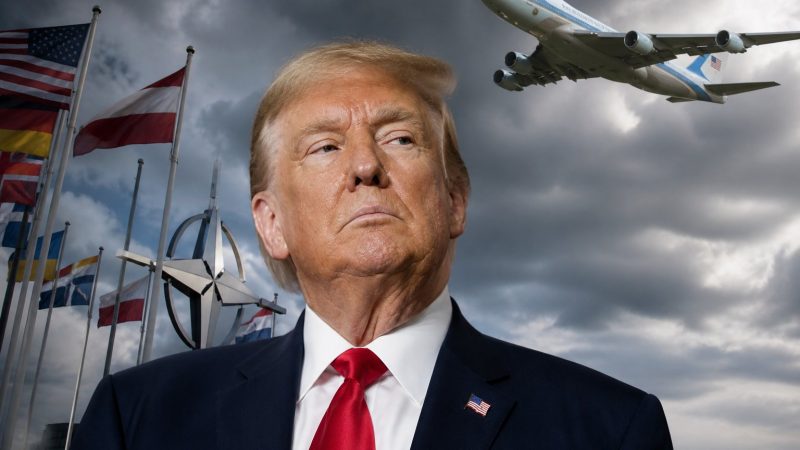
A Trump Turkey plane switch was driven by fears of an Iranian shoulder-fired missile, with US intelligence and officials citing a serious security concern in Ankara.
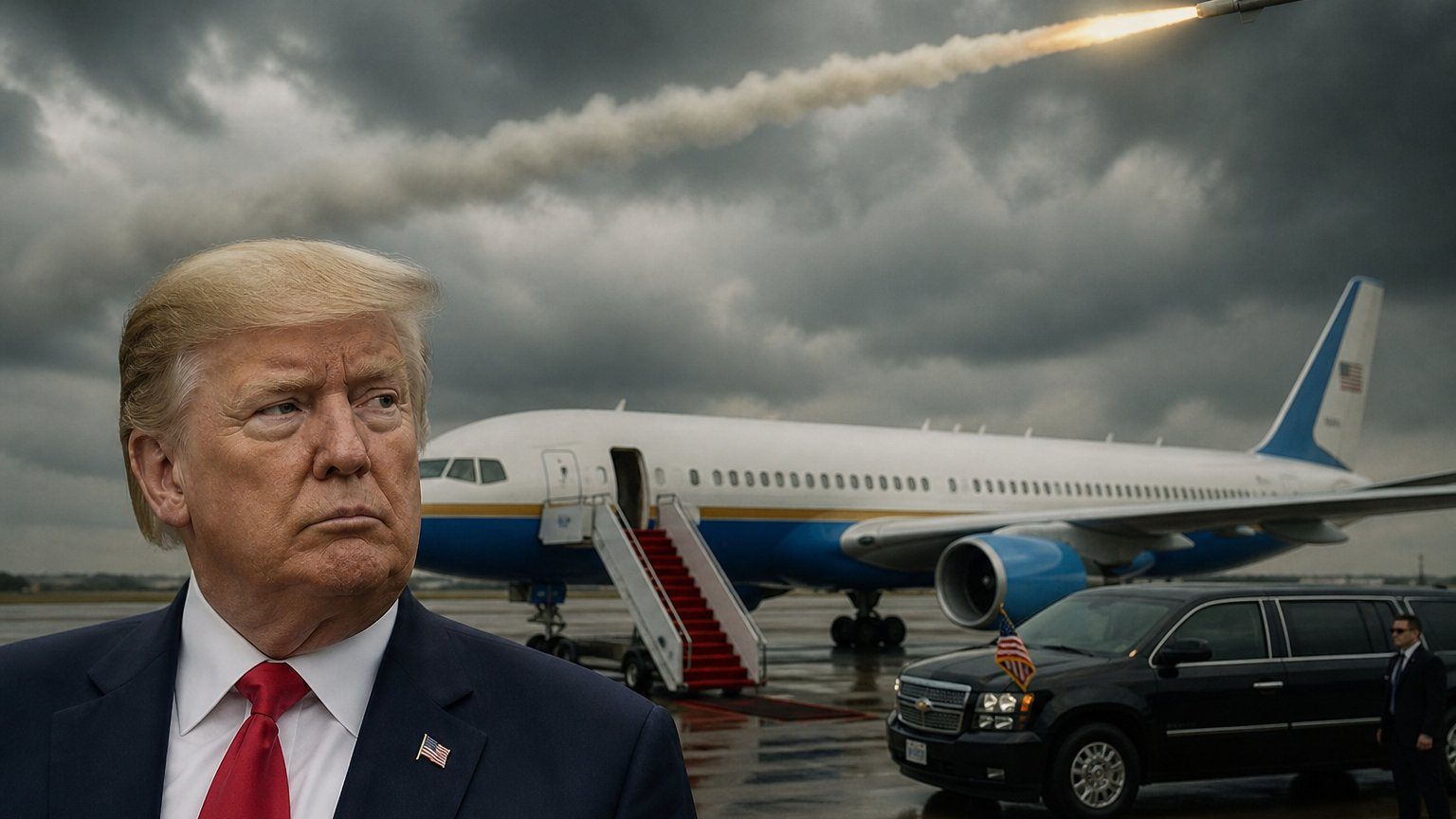
President Trump’s Turkey plane switch last month was reportedly driven by fears that Iranian operatives could use a shoulder-fired missile to target the presidential aircraft as it left Ankara. The unusual departure, which had Trump slipping off Air Force One and boarding a military plane instead, came after intelligence and security officials warned of a possible threat to his safety during the NATO gathering in Turkey.
According to the New York Times, US intelligence learned that Iran had tracked down the hotel floor where Trump was staying, and an unidentified person was seen with a shoulder-fired missile near the annual conference of NATO heads of state in Ankara. Other outlets, including CNN, later confirmed that the missile threat was what pushed the secret aircraft change. Trump himself addressed the move after the details emerged, telling reporters Tuesday evening, “I go by Secret Service and the military. They wanted me to go in a different flight, a different plane for safety. They wanted me to do it, so I did it. I did what they said.”
The Washington Post first reported Monday evening that Trump had left Turkey on July 8 aboard a smaller military plane even though he was photographed boarding Air Force One and many reporters and senior aides were still under the impression he would be traveling on the main presidential jet. Treasury Secretary Scott Bessent, Secretary of State Marco Rubio and White House Communications Director Steven Cheung stayed on Air Force One, which was used as a decoy, while Secretary of War Pete Hegseth and Deputy Chief of Staff Dan Scavino joined Trump on the smaller aircraft. The arrangement kept the switch hidden until after the flight was underway.
“A Trump Turkey plane switch was driven by fears of an Iranian shoulder-fired missile, with US intelligence and officials citing a serious security concern in Ankara.”
Earlier that same day, Trump said he had sent the newer, Qatar-donated version of Air Force One out of Ankara before his departure so US soldiers based in the United Kingdom could tour it. At the time, the move was understood differently, with some believing the older Air Force One may have been chosen because it carries more advanced anti-missile technology. The day itself was already charged with public warnings aimed at Tehran, including Trump’s own comments about Iran’s interest in “knocking him off,” alongside large banners in the Islamic Republic calling for his death.
The episode fits a pattern of presidential travel plans being adjusted for security and secrecy when threats are taken seriously. There is precedent for a hidden aircraft switch as well: in 2000, then-President Bill Clinton arrived in Pakistan aboard a different jet, though some reporters had been told and the maneuver was exposed when he landed. The Ankara episode shows how quickly presidential movement can change when intelligence officers and protective teams believe the risk is real.
The White House did not respond to a request for comment about the specific Ankara threat. For American readers, the story matters because it shows how foreign threats, intelligence warnings and presidential protection can reshape high-level travel in real time — and what security teams may be forced to do behind the scenes to keep a president safe.
Frequently asked questions
Why did Trump switch planes in Turkey?
Officials reportedly feared an Iranian shoulder-fired missile could target Air Force One as it left Ankara. Trump said the Secret Service and military told him to take a different flight for safety.
What did US intelligence learn?
The New York Times reported that intelligence officials learned Iran had tracked down the hotel floor where Trump was staying. An unidentified person was also seen with a shoulder-fired missile near the NATO conference.
Who stayed on Air Force One?
Treasury Secretary Scott Bessent, Secretary of State Marco Rubio and White House Communications Director Steven Cheung remained on the larger aircraft. It served as a decoy.
Did the White House address the threat?
The White House did not respond to a request for comment on the specific Ankara threat.
We value your privacy 🍪We use cookies for essential features and, if you allow it, to send you a notification whenever we publish a new story. See our Privacy Policy.
🇺🇸
The Defender Morning Brief
5 stories Americans need to know. 3 minutes. Every morning. Free.
📱 On iPhone: tap the Share icon, choose “Add to Home Screen”, then open TheTrueDefender from your Home Screen and tap 🔔 to turn on notifications. (Apple only allows notifications for saved web apps.)
🔔
Stay Ahead of Breaking NewsGet alerts when major stories break — not every time we publish.Breaking news only. No spam. Turn off anytime.
1Tap the ••• menu at the bottom of the screen, then tap Share(in Safari, just tap Share in the bottom bar directly)2Scroll down the menu and tap Add to Home Screen3Tap Add in the top-right corner4Open TheTrueDefender from your Home Screen, then tap 🔔 Subscribe and choose Allow
📱 Add TheTrueDefender to your home screen for one-tap access.