⚡ BREAKING
Alien Enemies Act Fight Stalls in 5th Circuit

Alien Enemies Act Fight Stalls in 5th Circuit

The 5th Circuit dismissed a challenge to Trump’s Alien Enemies Act use after the Venezuelan plaintiffs were deported, leaving the law’s reach unresolved.

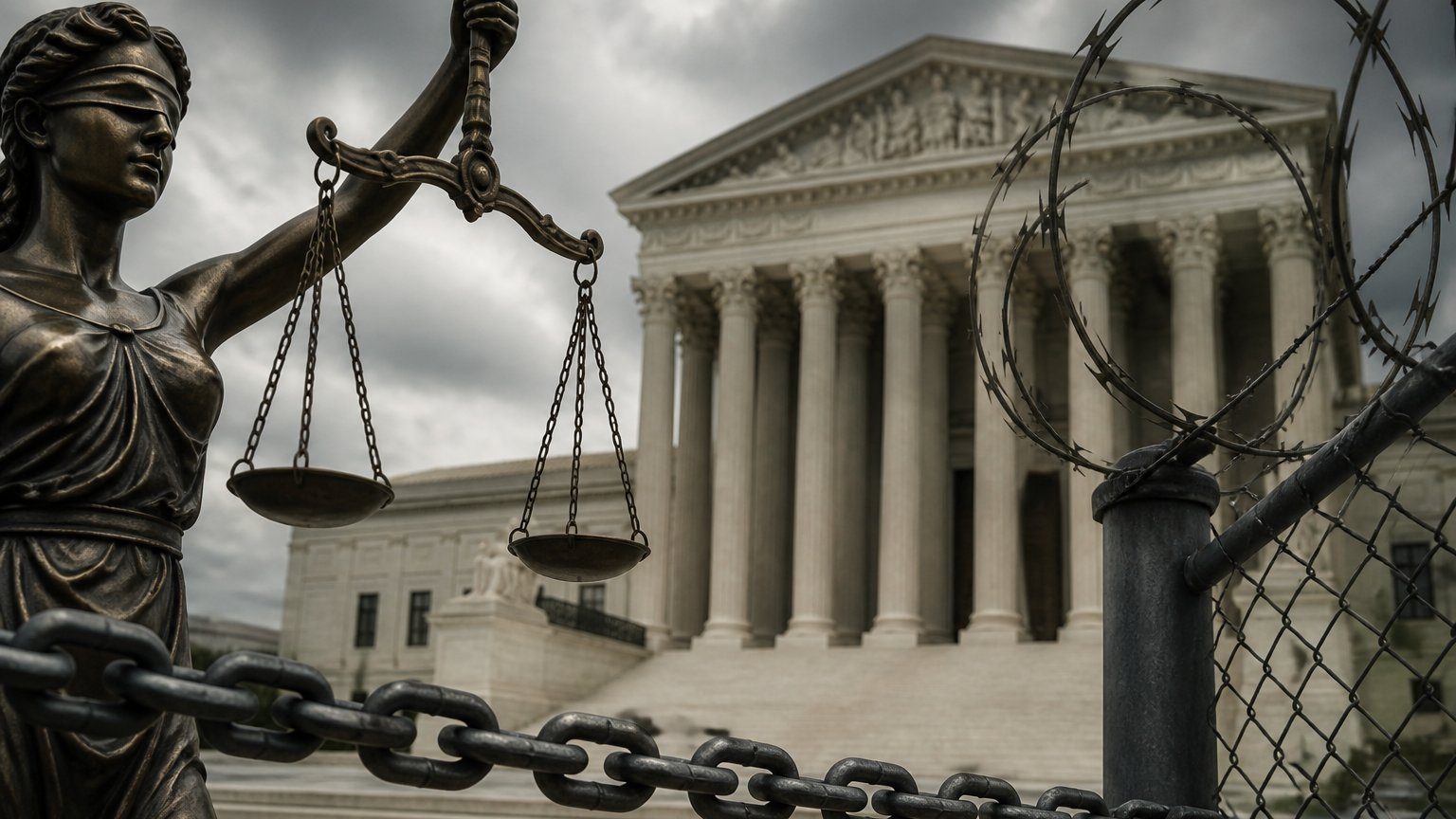
The Alien Enemies Act fight over President Donald Trump’s deportation authority took another turn Thursday when the Fifth U.S. Circuit Court of Appeals dismissed a challenge to his use of the old wartime law. The New Orleans-based court said the case was moot after all three Venezuelan plaintiffs had already been removed from the United States under other immigration authorities.

The ruling leaves the central question unanswered: whether Trump’s invocation of the Alien Enemies Act was lawful. The administration has used the law to target alleged members of Tren de Aragua, arguing that the gang’s activity amounts to an invasion or predatory incursion under the statute. The law, which dates back centuries, was last invoked before Trump by President Harry Truman in 1946.

Under the Alien Enemies Act, the president can detain and remove certain non-naturalized people tied to a hostile foreign power during wartime or an invasion-like situation. Trump’s team has tied that authority to its broader immigration crackdown, including efforts to speed up removals of suspected gang members. The Supreme Court had already blocked the administration from removing the detainees under the law while the case was pending, but it did not decide whether Trump had properly used the statute and instead sent the matter back to the Fifth Circuit.

That procedural history shaped Thursday’s outcome. Because the three men had been deported under other authorities, the appeals court said there was no live dispute left to decide. The panel also declined a request from the plaintiffs’ lawyers to replace the removed men with new challengers. The court acted with all 17 active Fifth Circuit judges participating.

Reactions to the decision reflected the split that has followed the case from the start. Bryce Poole, a senior legal fellow at Advancing American Freedom, called the ruling a mixed result for the Trump administration. He said the court vacated an earlier decision that had found Trump’s invocation unlawful, but did not reach the merits, leaving the bigger legality question open. Advancing American Freedom is a conservative public policy organization founded by former Vice President Mike Pence.
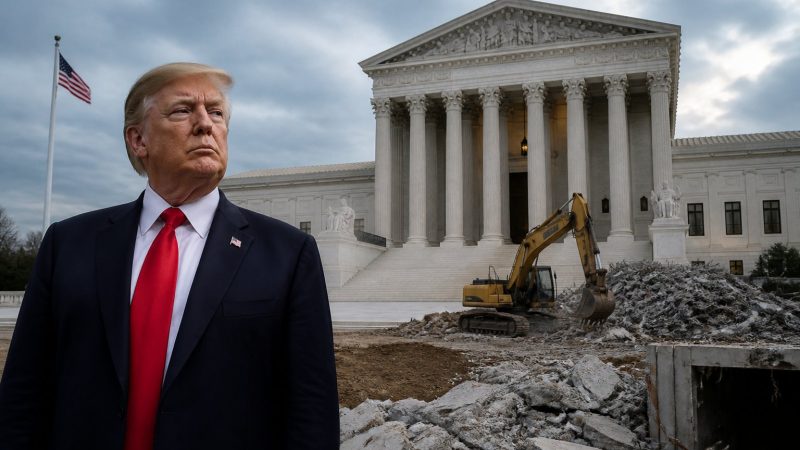
Two judges on the Fifth Circuit signaled support for Trump’s position in concurring opinions. Judge James Ho, a Trump appointee, said he agreed the case was moot but also said the court should have reached the merits and upheld the president’s actions under the Alien Enemies Act and the Due Process Clause. Ho wrote that judges are supposed to defer to a president’s declaration of invasion, including the declarations issued on January 20, 2025. Judge Andrew Oldham, also a Trump appointee, likewise agreed that the invocation of the law was legally sound.

Not everyone accepted that view. Ilya Somin, a George Mason University law professor and scholar at the libertarian Cato Institute, argued that letting a president define an invasion simply by saying one exists would turn emergency powers into a blank check. He said that would conflict with the text of the Alien Enemies Act and with the Constitution’s original meaning.

The long legal fight now appears headed toward another case or another round at the Supreme Court, since the Fifth Circuit’s dismissal did not settle whether the Alien Enemies Act can be used the way Trump wants. For Americans, the case matters because it touches the limits of presidential power, immigration enforcement, and when emergency wartime laws can be used in peacetime. What happens next will shape how far a president can go when claiming a foreign gang threat justifies extraordinary removals.

Frequently asked questions

Why did the 5th Circuit dismiss the case?
The court said the challenge was moot because all three Venezuelan plaintiffs had already been removed from the United States under other Immigration authorities.
Did the court decide whether Trump could use the Alien Enemies Act?
No. The dismissal left the legality of Trump’s invocation unresolved.
What was the Trump administration’s argument?
The administration said Tren de Aragua’s activity amounted to an invasion or predatory incursion under the Alien Enemies Act.
What happens next in the legal fight?
The ruling leaves the issue open for another case or for possible review by the Supreme Court.
Full coverage: Donald Trump
Trump Asks Supreme Court to Restart White House Ballroom Work
Up Next · in Politics

Trump Asks Supreme Court to Restart White House Ballroom Work

2 min read Continue reading

More from Politics

View all →
🇺🇸

The Defender Morning Brief

5 stories Americans need to know. 3 minutes. Every morning. Free.