Bologna protests turned tense after the death of Abderrahim Fakir, as thousands demanded answers and prosecutors opened a manslaughter probe.
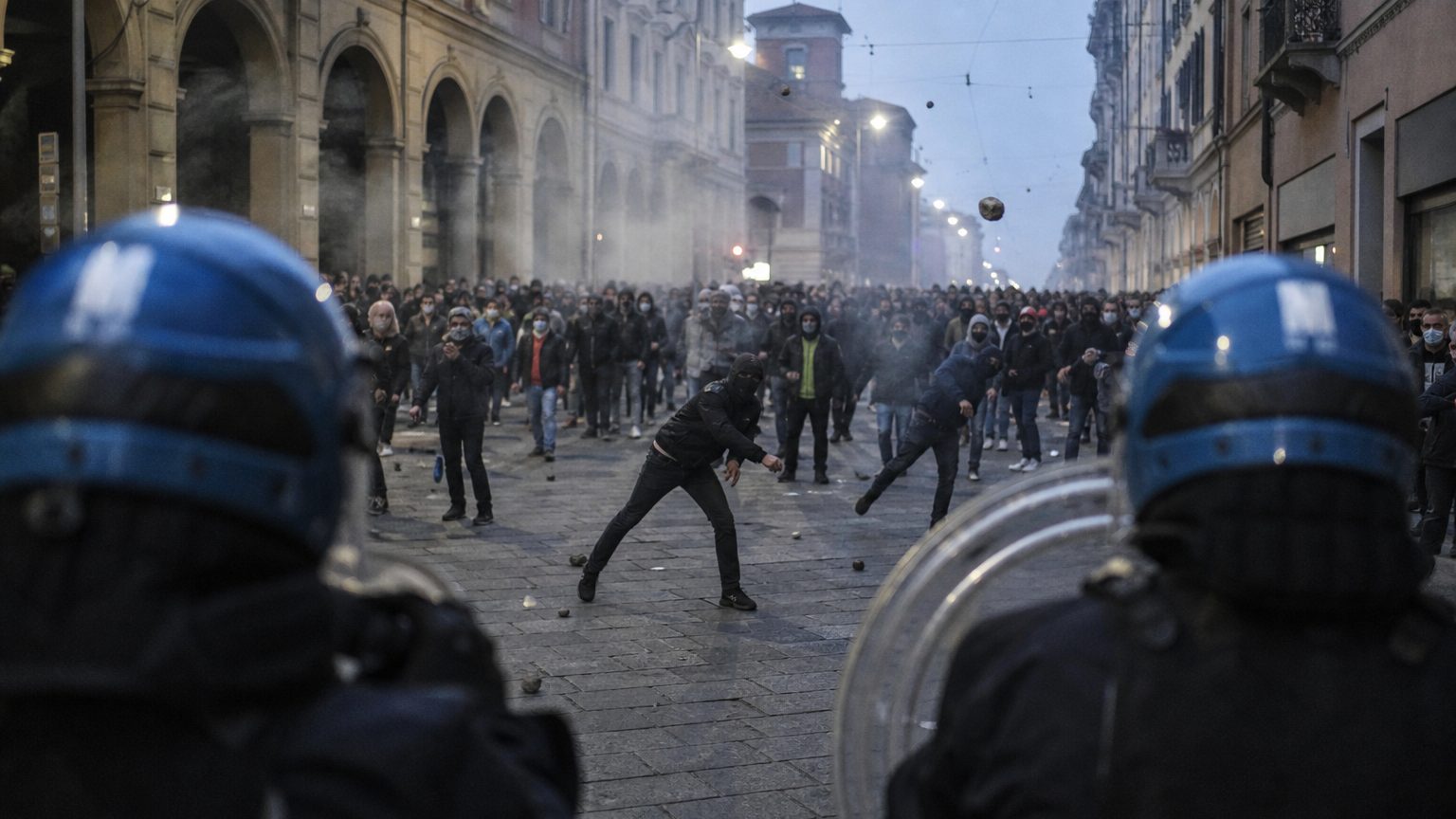
Bologna protests broke out in Italy after the death of Abderrahim Fakir, a Moroccan-born man who died on Sunday while being forcibly restrained by two police officers in the northern city. By Monday night, several thousand people had gathered in the streets demanding justice for Fakir, while a smaller group later split away and fought with police into the night.
Prosecutors said 64 police officers were hurt in the unrest. In the main demonstration, many people marched peacefully, but about 100 protesters later clashed with officers and set two cars on fire. The violence drew a sharp response from Prime Minister Giorgia Meloni, who said the death must be thoroughly investigated but added that nothing can justify attacks on law enforcement.
Police had been called to Pilastro, a working-class neighborhood in Bologna, on Sunday morning after a neighbor reported Fakir was behaving erratically and kicking garage doors. Officers tried to calm the situation and then used pepper spray. Italian media circulated video that showed two officers pinning Fakir to the ground while a third person, who was not a police officer, held his legs as emergency workers stood nearby. The footage appears to show Fakir stop struggling before he is tied at the wrists and ankles, then slapped on the cheek by one officer after he no longer seemed to be moving.
Prosecutors in Bologna have opened a manslaughter investigation into the police officers and the medical workers who were present. Several eyewitnesses told Italian media that Fakir looked distressed but did not threaten anyone and was clearly unarmed. His sister, Khadija, said in comments to Italian media that he could not have died that way and demanded the truth. Bologna mayor Matteo Lepore also said anyone who watched the video would be shocked, and he called the demonstration in central Bologna, inviting Fakir’s niece to speak.
Yossra Fakir told the crowd that her uncle was not just a name in the news and said he deserved dignity and help. The family’s lawyer, Barbara Spinelli, wrote on Facebook that Fakir was a hard worker and a kind man, and asked why he died in the hands of people whose duty was to protect his life. The police union took a different line, with its secretary-general, Domenico Pianese, saying the officers’ intervention was carried out correctly based on the images and that the bodycam footage was handed to prosecutors. The dispute now centers on what happened in those final moments. Why this matters to you: the case has become a flashpoint over police conduct, public trust, and how Italian authorities handle deaths in custody.