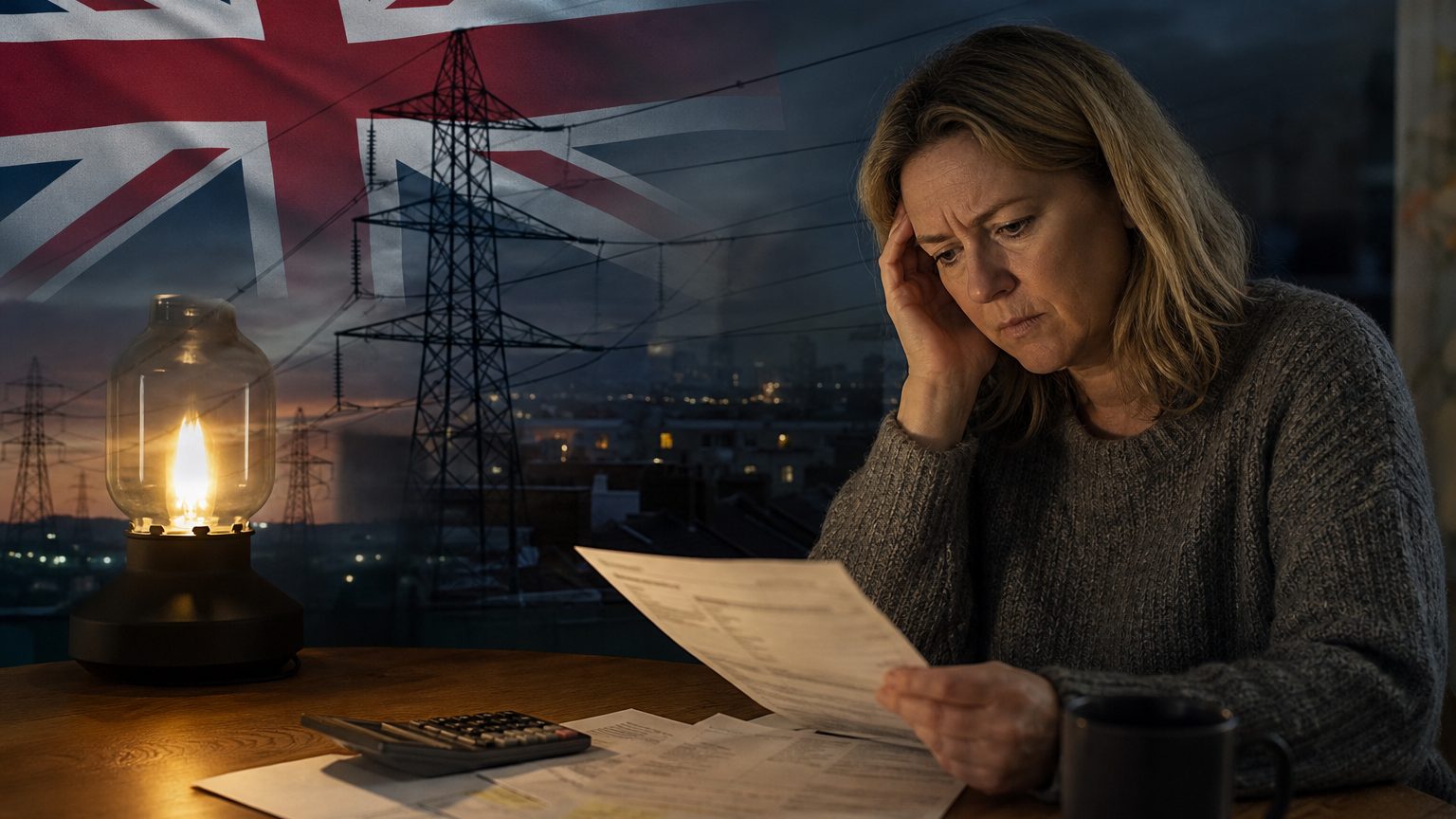
UK electricity prices remain high even after a VAT cut, with gas costs, grid spending and subsidies still pushing household bills up.
UK electricity prices are still a major burden for households, even after the government announced it will cut VAT on domestic power to zero this October. The move is meant to ease living costs, but British families are still paying more for electricity than many of their European neighbours.
Data comparing the UK with the EU showed that medium-use households in Britain paid the fourth-highest electricity prices in the second half of last year, once taxes and levies were included. Officials have taken some steps to bring bills down since then, but the basic drivers of the UK electricity prices problem have not gone away.
One major factor is the way wholesale electricity is priced. Suppliers bid to sell power, and the final unit needed to meet demand sets the market price for all generators. Renewables such as wind and solar usually bid low because their running costs are small once built, while gas-fired plants often bid higher because they must buy fuel and pay a carbon price. Even a small amount of gas generation can end up setting the price for the whole market, and that pushes up household bills. Analysts say the wars in Iran and Ukraine have added to gas price pressure.
Another reason is the UK’s heavy dependence on natural gas for electricity generation. In 2025, 31% of the country’s electricity came from burning natural gas. That is far above France, where gas made up just 3% and nuclear power supplied most electricity. The United States also relies on gas, with a 40% share, but wholesale gas prices there are much lower because of the shale gas boom over the past 20 years. In Great Britain, the wholesale energy cost on a typical household bill rose from £311 in 2024-25 to £320 in 2025-26.
Beyond fuel costs, households are paying more because of network investment and subsidies for new power projects. Grid costs have risen as the system is expanded and modernised to carry more wind and solar power. The network cost on a typical bill climbed from £136 in 2019-20 to £250 in 2026. Generation subsidies also rose, from £127 to £159 over the same period. Energy analyst Frankie Mayo of Ember Energy said the country has likely underinvested for years and is now trying to catch up.
Some government and energy groups argue that the long-term answer is to reduce exposure to volatile gas prices through the 2030 clean power policy, which would cut the number of times gas sets the wholesale price each year. Others, including the Climate Change Committee, say policy costs should be taken off electricity bills and funded through general taxation instead. The takeaway for households is simple: lower taxes alone will not fix power bills while gas, grid spending and policy costs still sit inside the price of electricity.