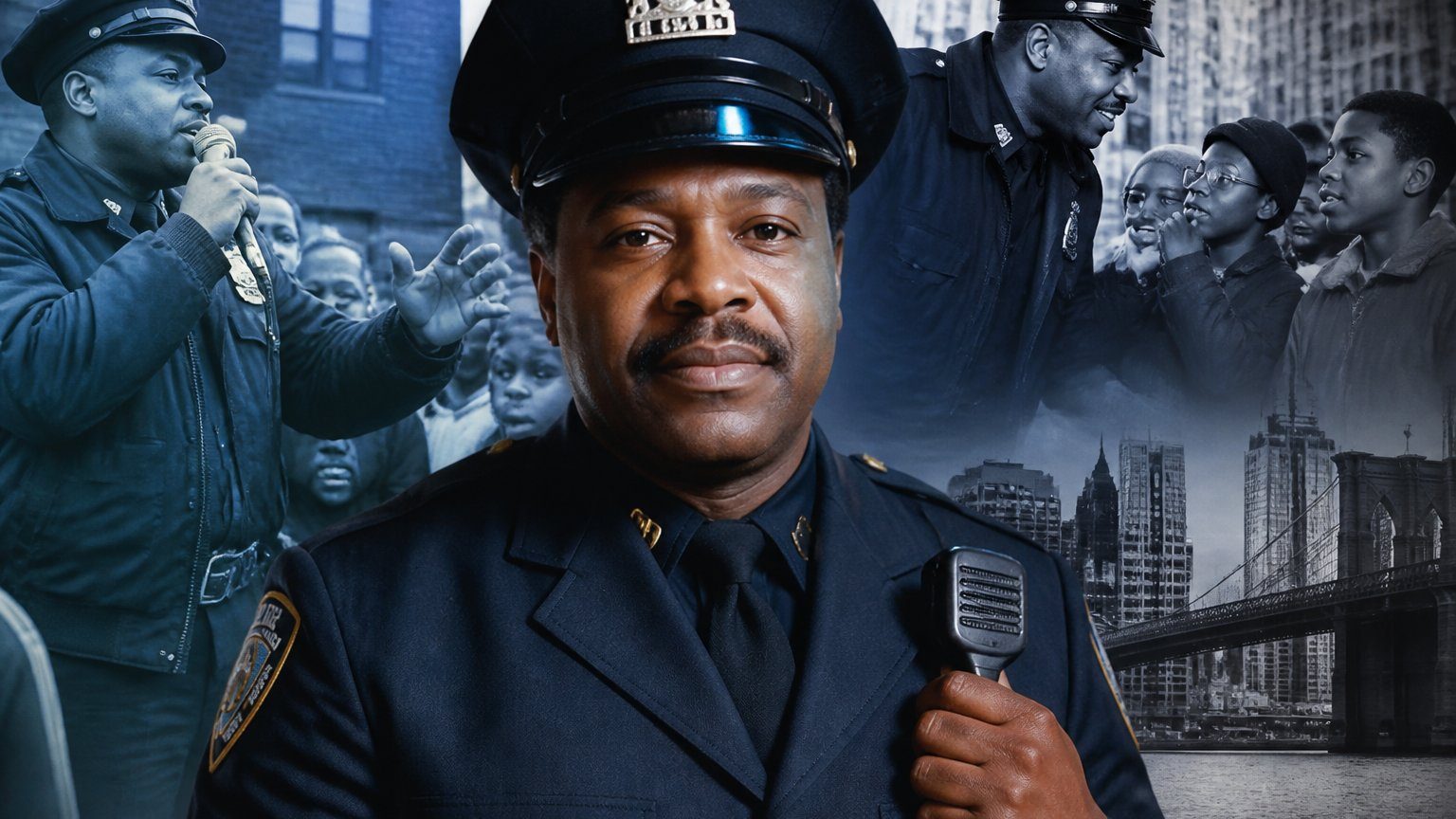
Derrick Parker, the NYPD’s Hip-Hop Cop who tracked rap’s biggest names and major murder cases, has died at age 65.
Derrick Parker, the former NYPD detective widely known as the Hip-Hop Cop, has died at age 65. Parker was remembered for his work inside the department’s rap intelligence unit during the rise of hip-hop in New York, where he monitored artists, entourages and the tensions that often followed them.
His brother, Ralph, said Parker died unexpectedly on July 24 at a hospital in Nassau County, New York. Ralph Parker did not give a cause of death. A funeral is set for Thursday at the J Foster Phillips Funeral Home in Jamaica, New York. Parker’s career stretched across more than 20 years, and he also worked as a homicide and cold case detective.
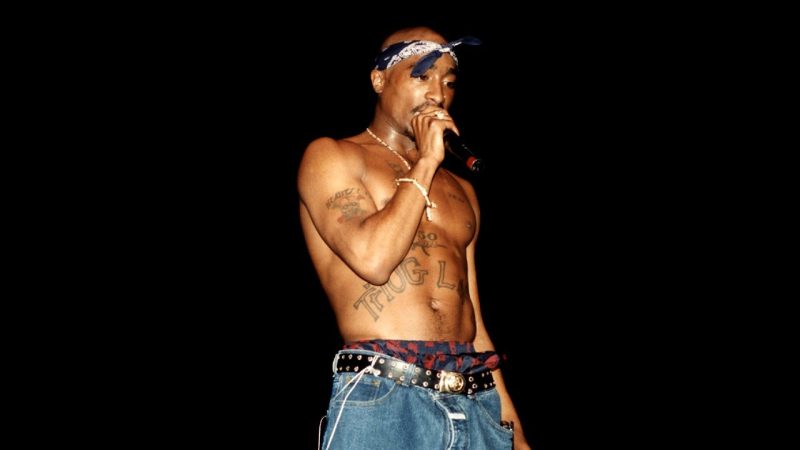
Parker’s name became tied to some of the most closely watched cases in rap history. He was involved in investigations connected to Tupac Shakur, Christopher Wallace, who performed as the Notorious B.I.G., and Jam Master Jay, the Run-DMC DJ whose real name was Jason Mizell. He later wrote about that work in his book, “Notorious C.O.P.: The Inside Story of the Tupac, Biggie and Jam Master Jay Investigations from the NYPD's First 'Hip-Hop Cop.'”
In a 2024 interview with Fox News Digital, Parker described his approach as one built on awareness rather than intimidation. He said officers had to pay attention to who was coming into the city and who might already be on the radar. He also said much of the job involved keeping police and nightclub management aware of who was going where so possible clashes between rival groups could be avoided. Parker said he shared those ideas with law enforcement in other places, including Miami and Atlanta, as violence tied to the music industry spread beyond New York.
“Derrick Parker, the NYPD’s Hip-Hop Cop who tracked rap’s biggest names and major murder cases, has died at age 65.”
That perspective shaped his role in major moments around the culture. Parker said he was not there to crack down on stars for the sake of it. He played a part in the 1999 Club New York shooting investigation, in which Sean “Diddy” Combs was charged and later acquitted. Jennifer Lopez was briefly detained and then released. Parker later said Combs was always friendly with him, adding that he was never hard on the artists because they knew the risks that came with the lifestyle.
After leaving the NYPD in 2002, Parker moved into security work for large events and executive protection. He carried over the same basic idea from his police years: know who is coming, know where they are going, and try to prevent trouble before it starts. He also became a regular media voice on high-profile cases involving people and places he had known from his time on the force, including Combs’ sex-trafficking trial last year and the wedding between Taylor Swift and Travis Kelce at Madison Square Garden.
Parker had said he hoped to write another book and wanted to tell a bigger story about the world he had covered. In the days before his death, he was also following the Las Vegas murder case against Duane “Keffe D” Davis, who is charged with playing a role in Tupac Shakur’s 1996 killing. Jury selection began Monday. His death closes the life of a detective who worked at the center of hip-hop’s most volatile era and later helped explain that world to the public.
For American readers, Parker’s story matters because it shows how law enforcement, entertainment and street violence collided during one of the most influential periods in modern music, and why those cases still draw attention decades later.
Frequently asked questions
Who was Derrick Parker?
Parker was a former Nypd detective known as the Hip-Hop Cop. He headed the department’s rap intelligence unit and also worked homicide and cold cases.
When did Derrick Parker die?
His brother said he died unexpectedly on July 24 at a hospital in Nassau County, New York. He was 65.
What major cases was he linked to?
Parker was involved in investigations connected to Tupac Shakur, Notorious B.I.G. and Jam Master Jay. He also played a role in the 1999 Club New York shooting investigation.
What did Parker do after leaving the NYPD?
After retiring in 2002, he worked in security for large events and executive protection. He also became a frequent media commentator on major cases and events.
We value your privacy 🍪We use cookies for essential features and, if you allow it, to send you a notification whenever we publish a new story. See our Privacy Policy.
🇺🇸
The Defender Morning Brief
5 stories Americans need to know. 3 minutes. Every morning. Free.
📱 On iPhone: tap the Share icon, choose “Add to Home Screen”, then open TheTrueDefender from your Home Screen and tap 🔔 to turn on notifications. (Apple only allows notifications for saved web apps.)
🔔
Stay Ahead of Breaking NewsGet alerts when major stories break — not every time we publish.Breaking news only. No spam. Turn off anytime.
1Tap the ••• menu at the bottom of the screen, then tap Share(in Safari, just tap Share in the bottom bar directly)2Scroll down the menu and tap Add to Home Screen3Tap Add in the top-right corner4Open TheTrueDefender from your Home Screen, then tap 🔔 Subscribe and choose Allow
📱 Add TheTrueDefender to your home screen for one-tap access.