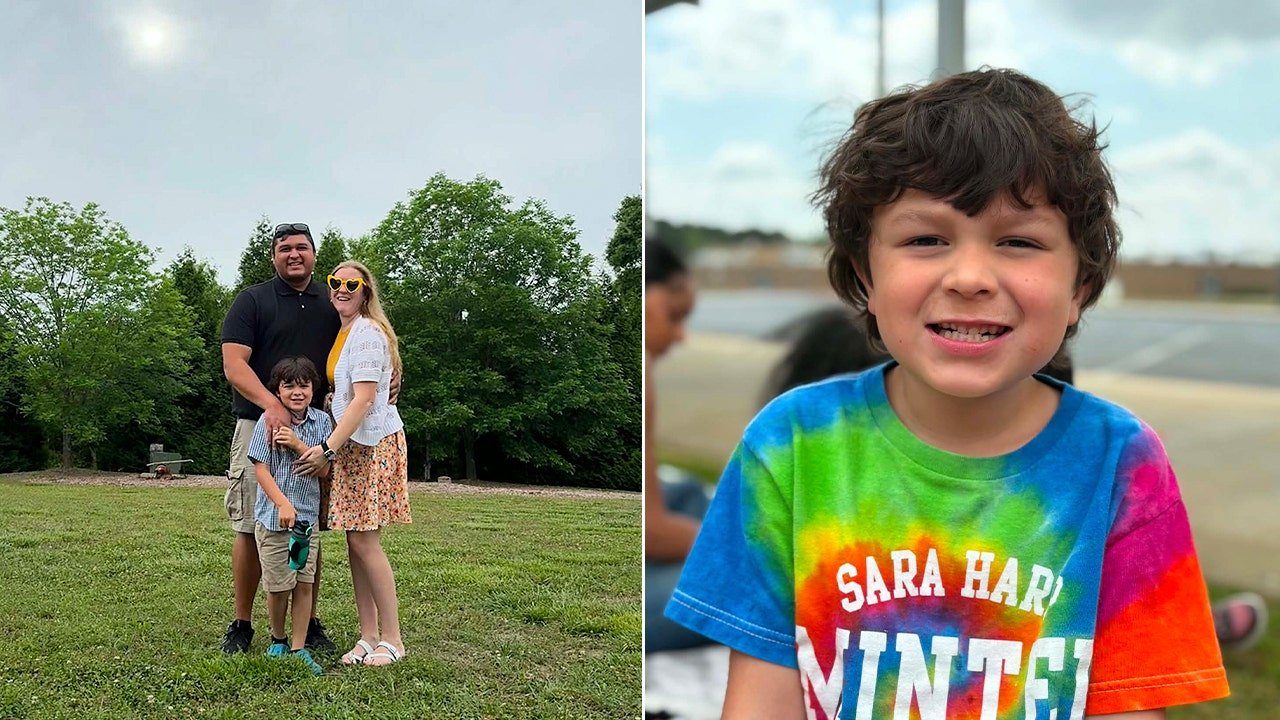
A Georgia first-grader with autism was suspended after biting his sandwich into a gun shape, prompting his parents to seek gentler discipline and more support.
A Georgia autism suspension is drawing attention after a 6-year-old first-grader was disciplined for biting his sandwich into the shape of a gun and pointing it at a classmate during lunch. His parents say the case shows how school rules can fall short when a child has developmental disabilities that make social cues harder to understand.
John Medina was suspended last March while attending Sarah Harp Elementary School in Fayette County, south of Atlanta. His parents, Kristin and Juan “Ricky” Medina, say he was diagnosed with level 1 autism at age 4 and later diagnosed with ADHD. They describe him as academically advanced, but say his school record has included roughly 15 suspensions and more than two dozen disciplinary actions since 2023. Some of those incidents, they said, involved physical behavior such as pushing another student in PE and hitting a classmate with a branch. They also said other punishments came from what they viewed as harmless conduct, including hand-gun gestures, words tied to guns and even a drawing of a pilgrim shooting a turkey for Thanksgiving.
Kristin Medina said she was stunned by the sandwich discipline and questioned what she described as the school’s strike system, where small actions can add up to suspension. Ricky Medina said the family believes the approach has gone too far in punishing minor behavior. They argued that John’s autism makes it harder for him to filter his speech and grasp why certain gestures or words trigger a stronger response from adults. At home, they said, weapon-related topics are not discussed, but they cannot control every influence he encounters outside the house.
The Medinas said the effect has gone beyond school discipline. They say John has become isolated, struggles to make friends and has absorbed the message that he is a “bad kid.” They said he is now hesitant to go to school because he fears other children will laugh at him for making mistakes. Kristin Medina said she wants his confidence and friendships rebuilt, not more punishment that leaves him feeling singled out. The parents also said traditional discipline has not worked for a child with autism and could even make the problem worse by turning school into a place he wants to escape.
“A Georgia first-grader with autism was suspended after biting his sandwich into a gun shape, prompting his parents to seek gentler discipline and more support.”
The family said it took a long stretch of conflict before the school approved developmental help. Kristin Medina said officials initially refused to grant John an Individualized Education Program because he was academically ahead and they did not see his autism. She said it took about a year and a half, 10 to 12 suspensions and a second evaluation that led to an ADHD diagnosis before the school approved the plan. They later brought in Donna Reynolds, a special education advocate, to help them in meetings with the school.
Since then, the family says the school has eased up on suspensions. John is now on a behavioral plan that includes an aide during unstructured parts of the day, including lunch, recess and PE. He also spends time in a smaller and calmer classroom setting, where his parents say he does especially well. The parents say that support has made a difference, even as they continue to push for less severe punishment when mistakes happen.
They also said John finished the last school year strongly, reading at a third-grade level and missing the gifted and talented cutoff by four test points. That academic progress, they argue, shows he needs instruction and support more than repeated removal from class. Fayette County Public Schools declined to discuss the case in detail, but said the situation should be viewed in the full context of John’s disciplinary history rather than one isolated incident. For American parents watching closely, the case underscores a broader question about how schools balance safety rules with fairness for children with disabilities.
The core issue is whether public schools can discipline young children firmly without turning developmental struggles into a cycle of suspension and isolation.
Frequently asked questions
Why was John Medina suspended?
His parents say he was suspended after biting his sandwich into the shape of a gun and pointing it at a classmate during lunch.
What disabilities do his parents say affect his behavior?
They say he was diagnosed with level 1 Autism at age 4 and later with ADHD, which they believe make social norms harder for him to grasp.
What support does John have now?
He is on a behavioral plan with an aide during lunch, recess and PE, and he spends time in a smaller, calmer classroom setting.
How did the school district respond?
Fayette County Public Schools declined to discuss specifics, but said the full disciplinary history and context should be reviewed, not one isolated event.
We value your privacy 🍪We use cookies for essential features and, if you allow it, to send you a notification whenever we publish a new story. See our Privacy Policy.
🇺🇸
The Defender Morning Brief
5 stories Americans need to know. 3 minutes. Every morning. Free.
📱 On iPhone: tap the Share icon, choose “Add to Home Screen”, then open TheTrueDefender from your Home Screen and tap 🔔 to turn on notifications. (Apple only allows notifications for saved web apps.)
🔔
Stay Ahead of Breaking NewsGet alerts when major stories break — not every time we publish.Breaking news only. No spam. Turn off anytime.
1Tap the ••• menu at the bottom of the screen, then tap Share(in Safari, just tap Share in the bottom bar directly)2Scroll down the menu and tap Add to Home Screen3Tap Add in the top-right corner4Open TheTrueDefender from your Home Screen, then tap 🔔 Subscribe and choose Allow
📱 Add TheTrueDefender to your home screen for one-tap access.