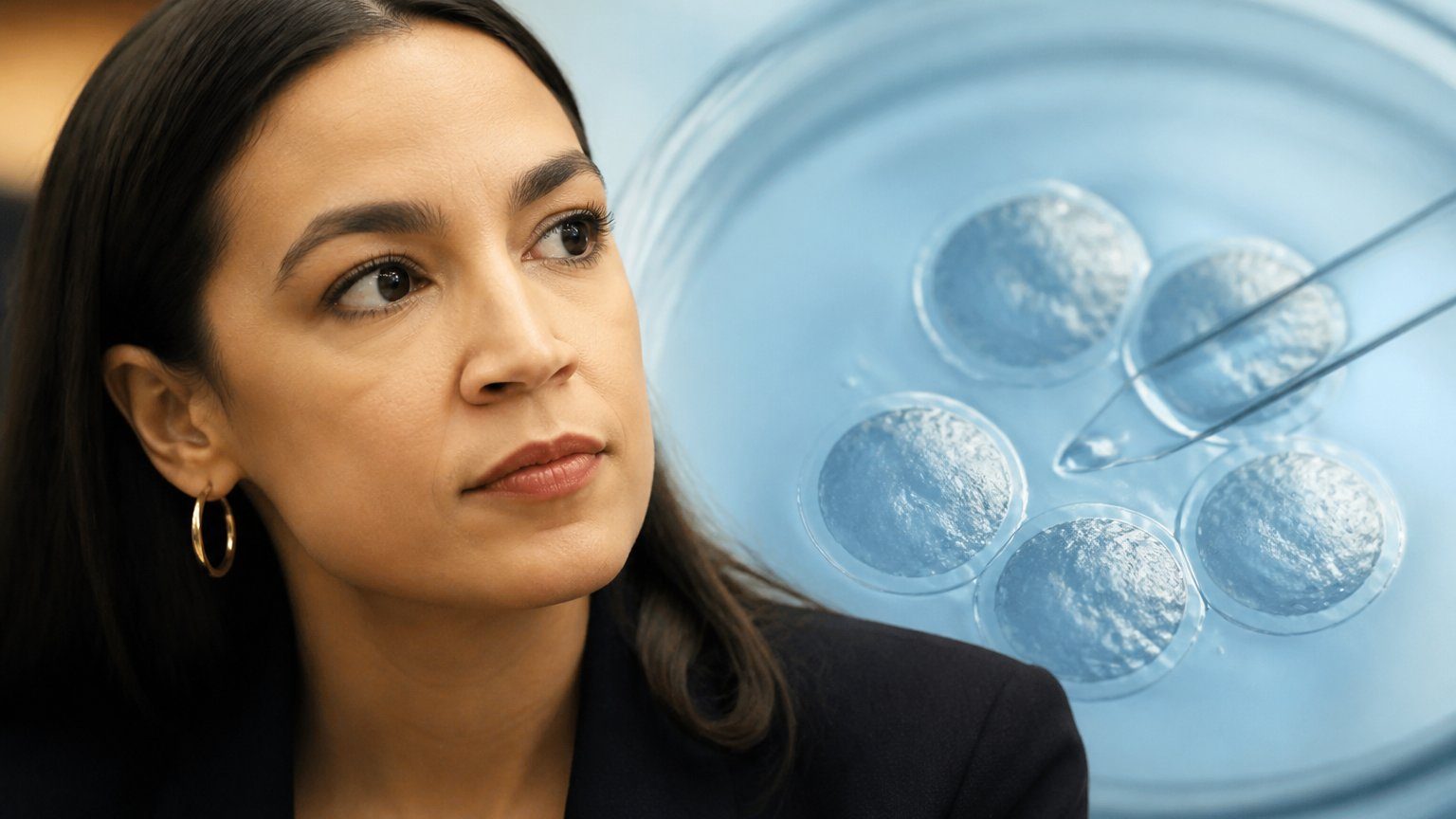
As Alexandria Ocasio-Cortez begins egg freezing, experts say success depends on age, egg count and the limits of the science.
Egg freezing odds are back in the spotlight as Rep. Alexandria Ocasio-Cortez begins fertility treatment and speaks openly about the choice. The 36-year-old New York congresswoman said on Instagram that she had been saving up and thinking about the procedure for some time, and she described the decision as something that made her feel more in control of her life.
Ocasio-Cortez said she felt empowered to start while Congress is on recess and called the move “badass.” She added, “This is a choice that I am making to feel more in control of my life,” and said that if people wanted to make assumptions about her decision, she would let them. Ocasio-Cortez, who has been engaged to Riley Roberts since 2022, has used social media to update followers as she begins the process.
The procedure, often called egg harvesting, is designed to preserve unfertilized eggs for later use. Doctors remove eggs from the ovaries and store them at subzero temperatures until a woman is ready to have them fertilized and implanted, either in her own uterus or through a surrogate. Women pursue the treatment for many reasons, including age-related fertility concerns and medical issues such as cancer, endometriosis, fibroids, ovarian cysts and PMOS. Some also freeze eggs before treatments like chemotherapy that can damage fertility.
Experts say the odds of success in egg freezing depend most on age at the time the eggs are frozen and on how many mature eggs are stored. A study in Fertility and Sterility found that among women under 40, live-birth success rose with the number of eggs frozen. Dr. Jennifer Blakemore, a reproductive endocrinologist and infertility specialist at NYU Langone Health, said the process depends on the individual and her goals, adding that not every egg becomes a baby.
“As Alexandria Ocasio-Cortez begins egg freezing, experts say success depends on age, egg count and the limits of the science.”
The path from frozen egg to birth has several hurdles. Research cited in the report found that about 80% to 90% of eggs survive thawing, around three quarters are fertilized, fewer than half become blastocysts, and about 40% of fresh embryo transfers lead to a live birth. In practical terms, that means even a sizable egg count does not guarantee a child. For example, if a woman freezes 20 mature eggs, 12 may fertilize and seven may become blastocysts before an embryo still has to implant and develop into a healthy pregnancy.
Age makes a major difference. The same Fertility and Sterility study found that women who froze at least 20 eggs before age 35 had an 88.9% chance of a live birth. That figure fell to 80% for women ages 35 to 37 and to 72.7% for women ages 38 to 40. Blakemore said younger eggs are more likely to succeed and can be used over the course of a woman’s reproductive lifetime, though she said women can choose the procedure whenever they feel ready.
Egg freezing has become far more common in recent years. Planned cycles nearly quadrupled from 4,153 in 2014 to 16,436 in 2021, and fertility specialists say better freezing methods have driven much of that growth. Tomer Singer, system chief of reproductive endocrinology and infertility at Northwell Health, previously pointed to vitrification, or flash-freezing, as the biggest advance. It largely replaced older slower methods in the mid-2000s and boosted thaw survival from 65% to 85%, while fertilization rates rose to 79% from 74% with slow freezing.
Still, many women never use the eggs they store. A 2026 review found that after 10 years, 81% of women who froze their eggs between ages 34 and 38 were still keeping them in storage, while only 7.6% had returned to thaw them. Some of those eggs may have been moved to another clinic, but the study also reflected a broader reality: women may conceive naturally, pursue IVF, decide not to have children, or simply not find the right partner. The growing visibility of egg freezing, especially when a public figure like Ocasio-Cortez discusses it openly, is likely to keep attention on how fertility choices, medical technology and timing shape family planning for American women. For readers, the key takeaway is simple: egg freezing can extend options, but age and egg quality still drive the odds.
Frequently asked questions
What did Alexandria Ocasio-Cortez say about starting egg freezing?
She said she had been saving up and thinking about it for some time. She also said the decision made her feel more in control of her life.
What most affects the odds of success with egg freezing?
Doctors say age when the eggs are frozen and the number of mature eggs stored matter most. Younger eggs generally have better success rates.
How much have success rates changed with age?
The study cited found an 88.9% live-birth chance for women who froze at least 20 eggs before age 35. That dropped to 80% for ages 35 to 37 and 72.7% for ages 38 to 40.
Why do some women freeze eggs even if they may not use them later?
Women may want to preserve fertility for the future, may later conceive naturally or through IVF, or may choose not to have children.
We value your privacy 🍪We use cookies for essential features and, if you allow it, to send you a notification whenever we publish a new story. See our Privacy Policy.
📨
Never Miss a Story
Get the headlines that matter delivered straight to your inbox.
📱 On iPhone: tap the Share icon, choose “Add to Home Screen”, then open TheTrueDefender from your Home Screen and tap 🔔 to turn on notifications. (Apple only allows notifications for saved web apps.)
🔔
Never miss a breaking storyGet free alerts the moment big US news breaks.
1Tap the ••• menu at the bottom of the screen, then tap Share(in Safari, just tap Share in the bottom bar directly)2Scroll down the menu and tap Add to Home Screen3Tap Add in the top-right corner4Open TheTrueDefender from your Home Screen, then tap 🔔 Subscribe and choose Allow
📱 Add TheTrueDefender to your home screen for one-tap access.