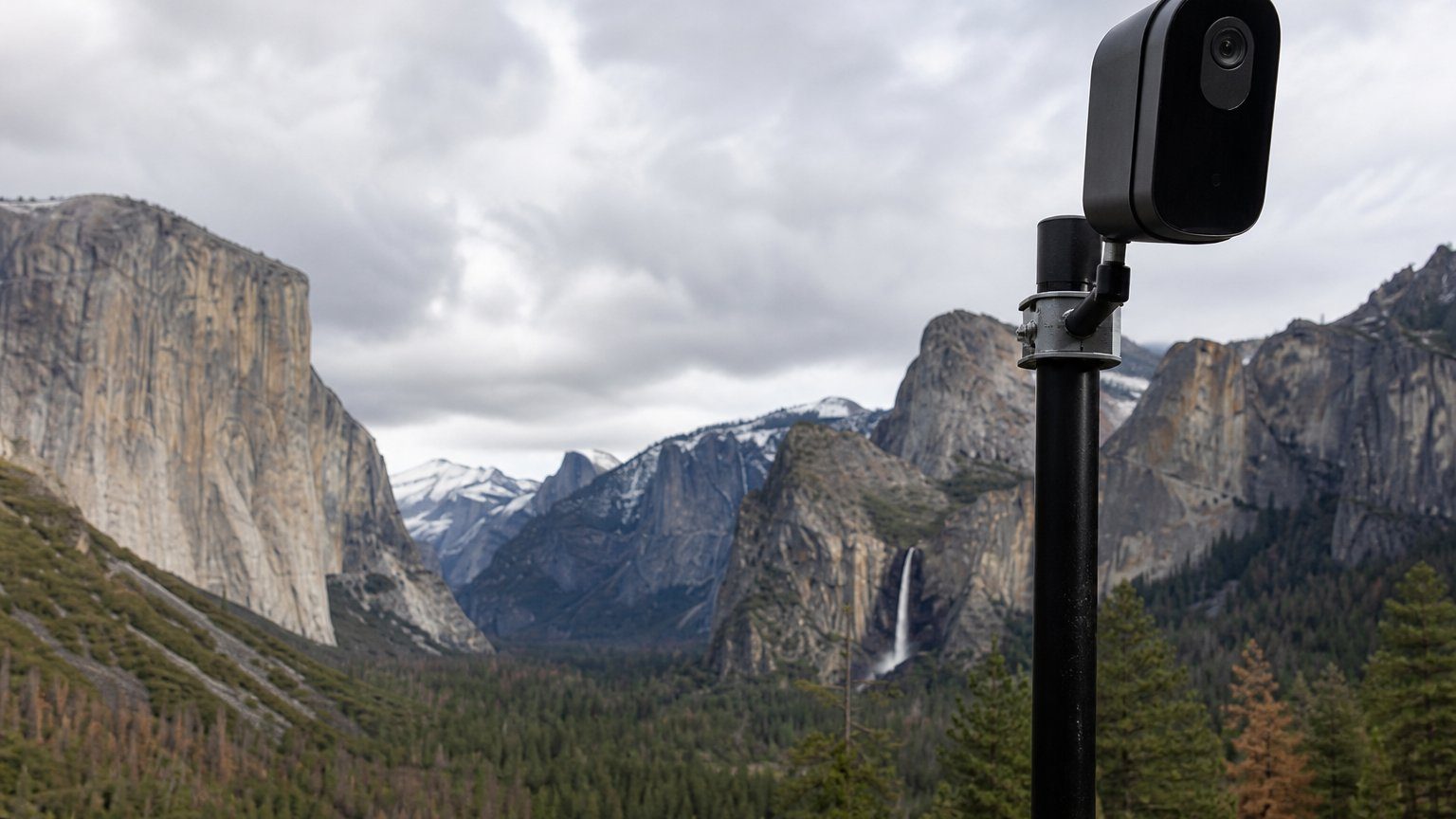
Flock cameras in Yosemite National Park have stirred fresh concern over surveillance after six of the license plate readers were installed in the park last month. The devices, which can read drivers’ plates, were flagged by the online tracking tool DeFlock.org, putting one of America’s best-known national parks into the middle of a broader fight over how far automated monitoring should reach.
The Yosemite rollout comes as the system faces growing scrutiny elsewhere. In Monterey County, vigilantes have torn down some of the cameras, and the Los Angeles Police Department has suspended its contract with Flock over privacy and data security worries. Across the country, DeFlock says there are more than 117,000 automated license plate readers from Flock Safety, including more than 16,000 in California alone. California leads the nation in the number of these cameras, followed by Florida with 7,169, Georgia with 7,046, and Illinois with 5,822.
Yosemite officials say the cameras are not meant to track license plates for law enforcement purposes but to help manage traffic and visitor flow inside the park. That argument carries weight in a place where weekend congestion has at times left drivers waiting in their cars for as long as 90 minutes before entering. On the park’s official Facebook page, visitor Lorena Calvillo captured the scene bluntly: “Gridlock. Cars everywhere. People everywhere. No parking. No space,” she wrote.
Officials say the cameras are part of a larger Integrated Visitor Information System aimed at improving the way the park communicates wait times to visitors. According to reporting from YourCentralValley.com, the system is designed to provide better information on park conditions. Yosemite recently won innovation funding from the National Park Foundation to build a unified, park-wide setup that combines real-time data on traffic, parking and road conditions into automated, multichannel visitor updates.