⚡ LATEST
Florida Beach Mothball Case Leads to Felony Charges

Florida Beach Mothball Case Leads to Felony Charges

The Florida beach mothball case has led to felony charges after authorities say business owners spread toxic mothballs to block black skimmers from nesting.

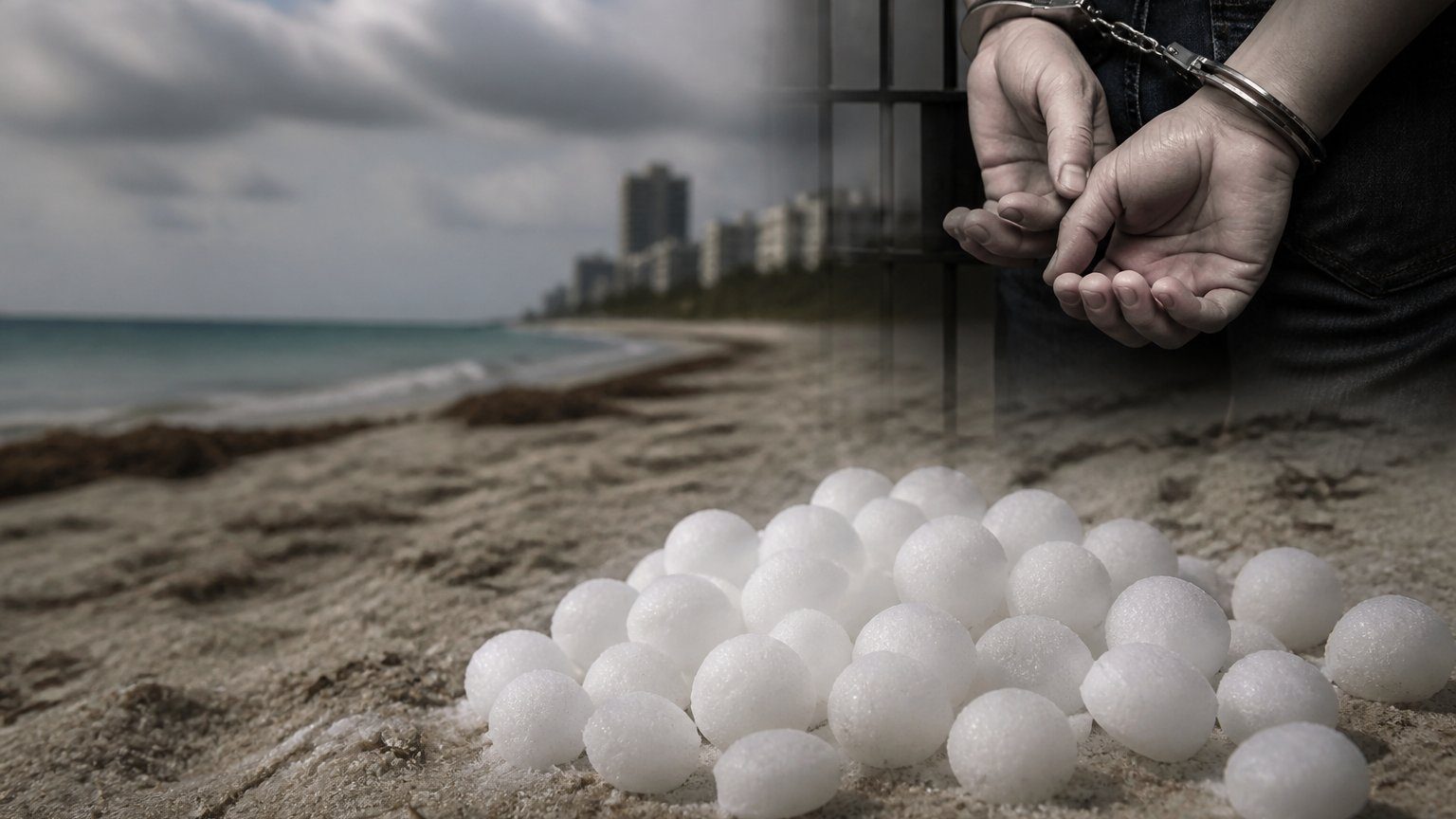
The Florida beach mothball case has turned into a felony prosecution after authorities said two St. Pete Beach business owners scattered about 1,500 toxic mothballs on the sand to keep endangered birds from nesting near their properties.

Christopher Monroe, owner and manager of Chris’s Beachside Bar, and Robert Czyszczon, owner of the Plaza Beach Hotel, were charged with third-degree felonies after the beach materials appeared in late April behind the hotel in St. Petersburg, Florida. Investigators said the men also face a misdemeanor count involving the attempted take of a state-listed imperiled species by harassment. If convicted, each could face up to five years in prison, fines of up to $5,000 and up to five years of probation.

Officials with the Florida Fish and Wildlife Conservation Commission said beachgoers first noticed the mothballs on the white sand, prompting a response from the agency and volunteers with the Audubon Society. Workers removed about 1,000 of the white spheres from the beach, but 500 more turned up overnight. The mothballs contained pesticides, and officials said they were placed where black skimmers were trying to establish a nesting colony. They also warned that other wildlife and children could have come into contact with them.

FWC officials said the search for whoever put the mothballs on the beach led to a wide investigation that included search warrants, review of terabytes of data and cellphone seizures. Investigators said video surveillance and receipt records showed Czyszczon spent about $60 at Walmart on a large quantity of mothballs the day before they first showed up on the beach. They also said text messages between Czyszczon and Monroe revealed discussion of their objections to the birds and plans to place mothballs on the sand. One text allegedly referred to the birds as “the worst birds,” and another warned about losses of “$25,000 to $50,000.”

Authorities said cellphone tower data placed Monroe’s phone at the same location as Czyszczon’s phone on both nights when the mothballs appeared. The two men allegedly worried that nesting birds would push away customers and cut into revenue. FWC officials said that concern appeared to drive the plan to keep the birds from settling on the beach behind their businesses.

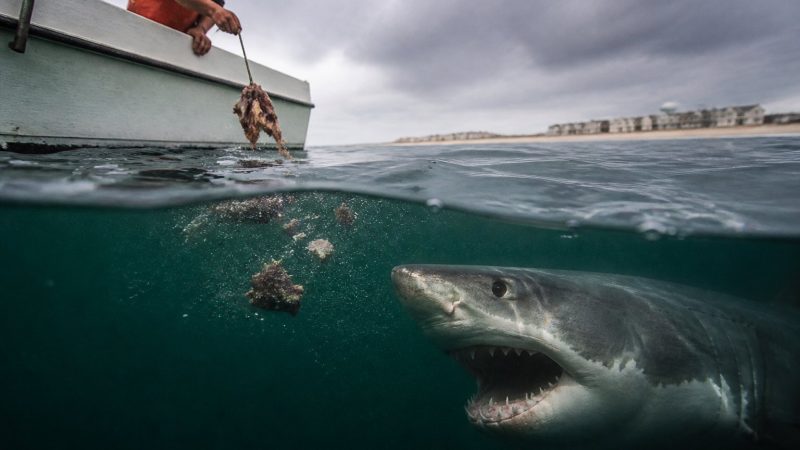
Black skimmers are native shorebirds that nest on open sand rather than in trees. FWC officials said the species lays eggs and raises young close to the surf, which makes beach nesting areas especially sensitive during the season. About 6,800 black skimmers live in Florida, and state officials estimate that several hundred live on the beaches of Pinellas County.

University of Florida Institute of Food and Agricultural Sciences guidance says mothball pesticides can harm people and wildlife that come into contact with their vapors, and a 2021 educational publication from the UF/IFAS Pesticide Information Office said the label on any pesticide is legally enforceable. Officials said the birds were probably not physically hurt by the harassment, but nesting was delayed, which can push fledging later into the season.

That timing matters because FWC officials said a major storm late in hurricane season, which ends on Nov. 30, could wipe out a colony if young birds have not fledged yet. Monroe and Czyszczon are both out on bond. An attorney for Czyszczon did not respond to a request for comment, and court records indicate Monroe does not have an attorney. For Americans watching this case, the takeaway is simple: coastal business concerns do not excuse putting wildlife, beachgoers and a public shoreline at risk.

Frequently asked questions

Who was charged in the Florida beach mothball case?
Christopher Monroe and Robert Czyszczon were charged after investigators linked them to mothballs placed on the beach behind their businesses.
What did authorities say the mothballs were used for?
Officials said the mothballs were spread to keep black skimmers from nesting near the Plaza Beach Hotel and Chris’s Beachside Bar.
What charges do the men face?
They were charged with third-degree felonies for illegal dumping and with attempted take of a state-listed imperiled species by harassment, a misdemeanor.
Why do officials say the case matters for the birds?
FWC officials said the harassment delayed nesting, which could push fledging later and leave young birds vulnerable to late-season storms.
Full coverage: Florida
Florida Flooding Threat Grows as Storms Build
Up Next · in US News

Florida Flooding Threat Grows as Storms Build

3 min read Continue reading

More from US News

View all →
📨

Never Miss a Story

Get the headlines that matter delivered straight to your inbox.