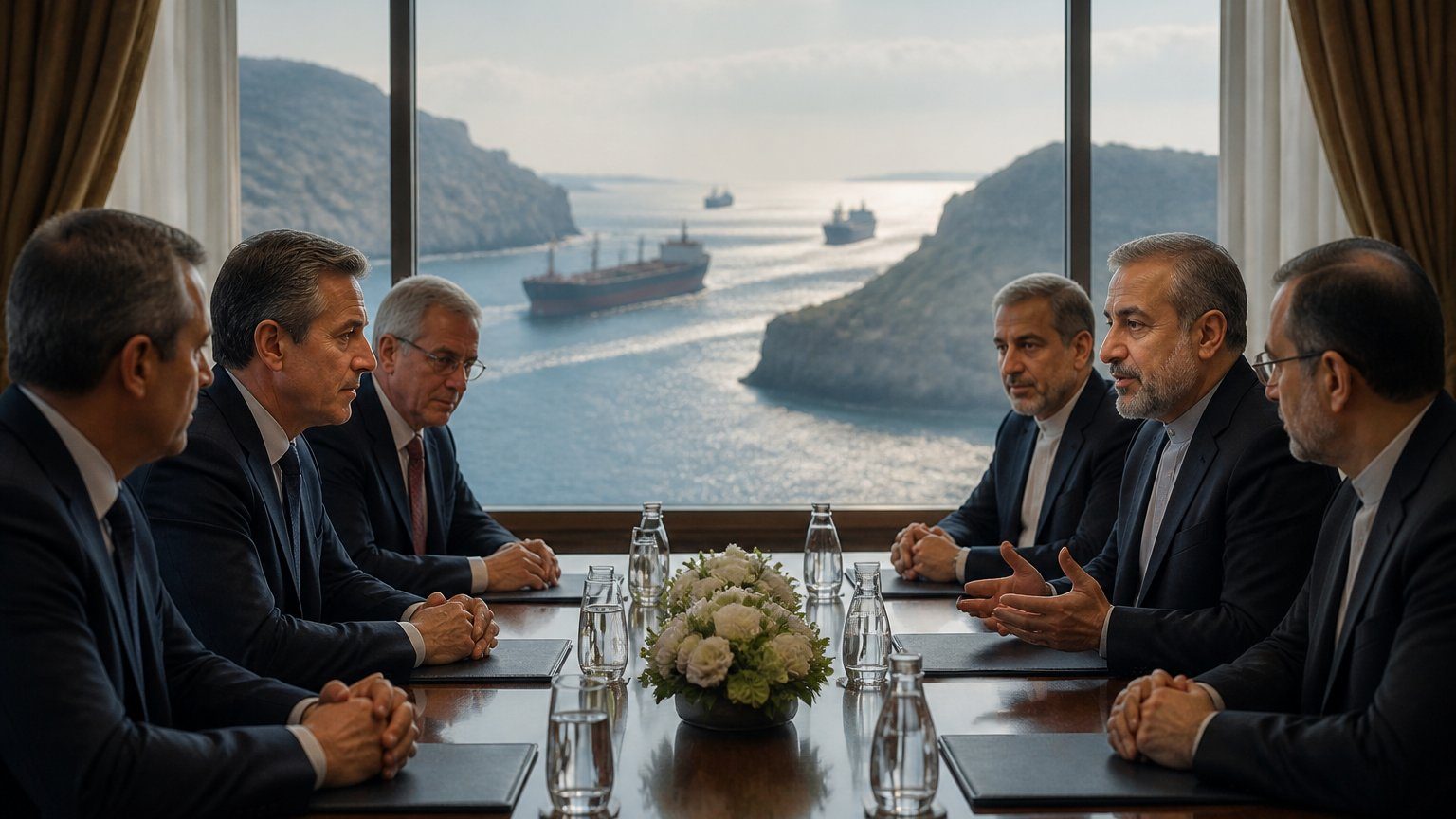
Hormuz talks between Iran and Oman are said to be moving forward, but Tehran says any deal would not reopen the strait right away.
Hormuz talks between Iran and Oman are advancing, but the Strait of Hormuz is still far from reopening. Oman said it had held positive discussions with Tehran over a plan to secure a shipping route through the waterway, even as Iranian officials made clear that any agreement would not restore full traffic immediately.
Both sides said on Saturday that the negotiations were making progress, though the timing of any final deal remained uncertain. Oman’s foreign ministry warned against attacks on shipping that could derail the effort. Iranian Foreign Minister Abbas Araghchi said the talks were in their final stage, but that reopening the strait was still “subject to other conditions.” The strait normally carries about a fifth of the world’s oil and natural gas, making it one of the most important maritime chokepoints on earth.
Tehran has effectively blocked the waterway since the United States and Israel began attacking it in February. Recent discussions have centered on a possible arrangement between Iran and Oman for a new route through the strait, with both countries sharing responsibility for it. The hope is that such an arrangement could help resume shipping traffic safely, but Iranian officials have tied that prospect to a wider set of demands.
Araghchi said Iran wanted compensation from the United States for what Tehran called violations of a June deal that was meant to halt fighting and open the door to further negotiations. That memorandum of understanding quickly unraveled, and diplomatic talks fell apart with tit-for-tat attacks resuming only days later. Iran’s security chief, Mohammad Baqer Zolqadr, told Tasnim that the Strait of Hormuz would not reopen until the United States “corrects” its behavior and meets six Iranian demands, including an end to threats against Iran, the removal of a naval blockade of Iranian ports, and the release of frozen Iranian assets.
“Hormuz talks between Iran and Oman are said to be moving forward, but Tehran says any deal would not reopen the strait right away.”
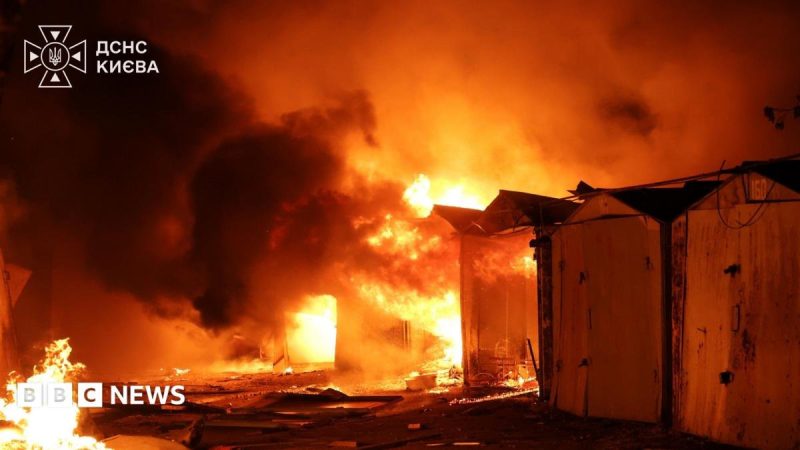
At the same time, the region’s shipping lanes remain tense. Oman’s warning came after the United Arab Emirates said Iran had targeted a tanker linked to Adnoc, the state-owned oil company, as it passed through the area. The UAE foreign ministry said the vessel was hit by a missile in what it described as a hostile Iranian attack, though there were no casualties. Later on Saturday, the UK Maritime Trade Operations agency reported another ship struck by an unknown projectile off Oman, sparking a fire that was later extinguished and causing no injuries. It was not immediately clear whether the agency was referring to the same vessel.
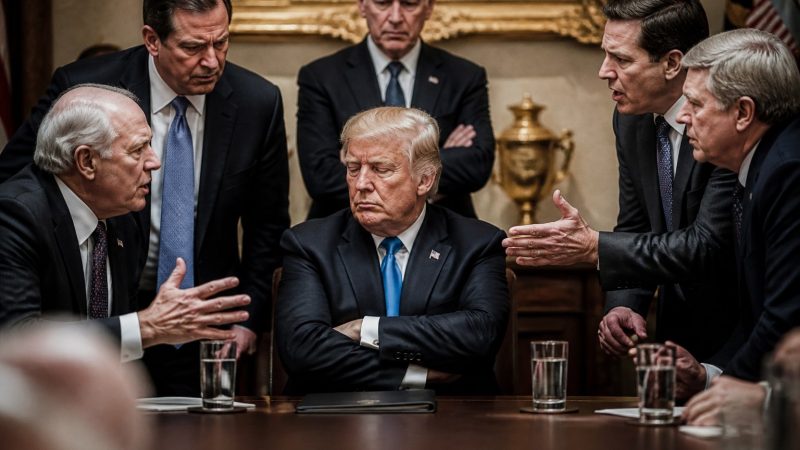
The dispute has also drawn in Washington. President Donald Trump said earlier this week that a deal with Iran could come soon, while Vice-President JD Vance sounded more cautious on Saturday. Vance said work was still needed and that the administration was using diplomatic, economic and military tools to secure what he called the best outcome for Americans. He also said the same amount of oil would flow from the Gulf as before the US military operation began on 28 February, and he said the Iranians told the US they had no plan to toll the strait. One of the sticking points has been reports that Iran wanted to charge vessels a fee to cross the waterway, a claim Vance pushed back on.
For the United States, the stakes are obvious: the Strait of Hormuz remains a global energy artery, and any disruption can ripple through oil markets and shipping security. The next question is whether Iran, Oman and Washington can turn cautious progress into a workable arrangement before another attack or breakdown closes the door again. American readers should watch whether the talks produce a real shipping framework or collapse under the same pressure that sank the June deal.
Frequently asked questions
What is the main issue in the Hormuz talks?
Iran and Oman are discussing a new shipping route through the Strait Of Hormuz. Oman says the talks have been positive, but Iran says reopening the strait requires other conditions.
Why is the Strait of Hormuz so important?
The strait usually carries about a fifth of the world’s oil and natural gas. Any disruption can affect global shipping and energy markets.
What conditions is Iran linking to reopening the strait?
Iranian officials said reopening depends on issues including compensation from the United States, an end to threats against Iran, the removal of a naval blockade of Iranian ports, and the release of frozen assets.
Did officials report any casualties in the latest shipping incidents?
No casualties were reported in either the UAE account of a tanker hit near the strait or the UKMTO report of a ship struck off Oman.
We value your privacy 🍪We use cookies for essential features and, if you allow it, to send you a notification whenever we publish a new story. See our Privacy Policy.
📨
Never Miss a Story
Get the headlines that matter delivered straight to your inbox.
📱 On iPhone: tap the Share icon, choose “Add to Home Screen”, then open TheTrueDefender from your Home Screen and tap 🔔 to turn on notifications. (Apple only allows notifications for saved web apps.)
🔔
Never miss a breaking storyGet free alerts the moment big US news breaks.
1Tap the ••• menu at the bottom of the screen, then tap Share(in Safari, just tap Share in the bottom bar directly)2Scroll down the menu and tap Add to Home Screen3Tap Add in the top-right corner4Open TheTrueDefender from your Home Screen, then tap 🔔 Subscribe and choose Allow
📱 Add TheTrueDefender to your home screen for one-tap access.