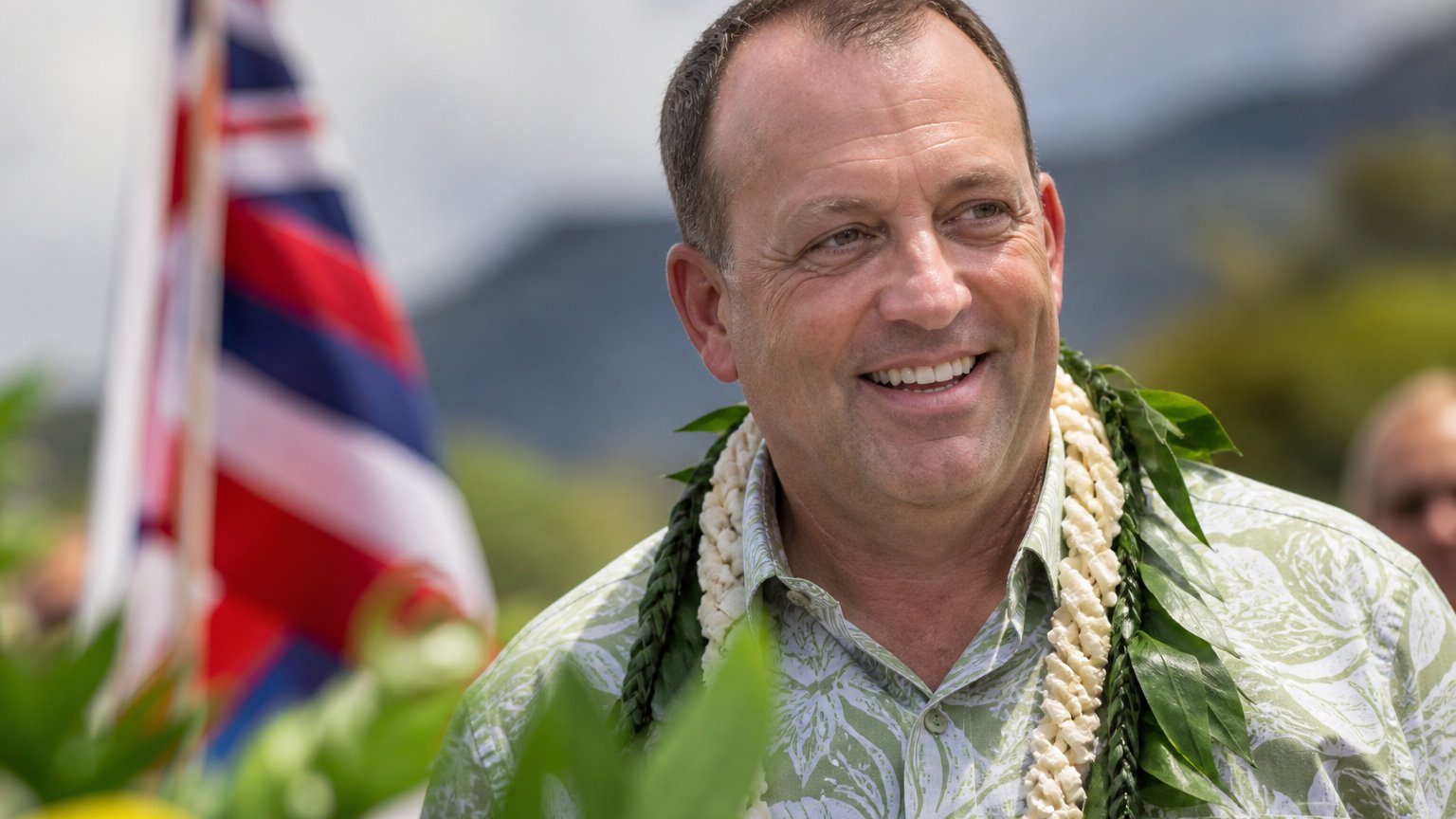
Hawaii Gov. Josh Green won the Democratic primary in the Hawaii governor's race, clearing out three little-known challengers and strengthening his position for the fall. Green, first elected in 2022, entered the unusual Saturday contest with a 56% approval rating and a huge financial edge, making his path through the primary look all but locked up before voters even cast their ballots.
The matchup was never a fair fight. Green’s opponents were David “Duke” Bourgoin, George “Teva” Lucas-Tadeo and Lauren Kapoliahiʻiaka Shim. Bourgoin had already run against Green in 2022 and was badly outpaced then, taking just 590 votes to Green’s 158,161. He had also lost runs for Honolulu mayor in 2022 and 2024. Lucas-Tadeo, a Democratic socialist, promoted ideas such as publicly run grocery stores and marijuana legalization on Instagram, but failed to build meaningful traction. Shim also stayed on the ballot without much visible campaign infrastructure. Neither Lucas-Tadeo nor Shim had campaign websites, and none of the three challengers had raised any money in the race as of June 30, according to Honolulu Civil Beat.
Green’s fundraising told the same story. He had collected about $3.5 million, far ahead of Republican Gary Cordery, the race’s second-highest fundraiser, who had raised about $313,000. That gap matters in a state where campaign resources often decide whether a candidate can even become a serious contender. It also helps explain why Green emerged from the Hawaii primary election with such little intraparty resistance.
Hawaii politics has long leaned heavily Democratic, and the governor’s office has stayed in Democratic hands since Linda Lingle left office in 2010. In a normal election cycle, the party’s primary usually draws better-known names with real political standing. In 2022, for example, Green faced Rep. Kai Kahele, D-Hawaii, and former first lady Vicky Cayetano. This year, the field was far thinner, and that difference gave Green a much smoother road to renomination.