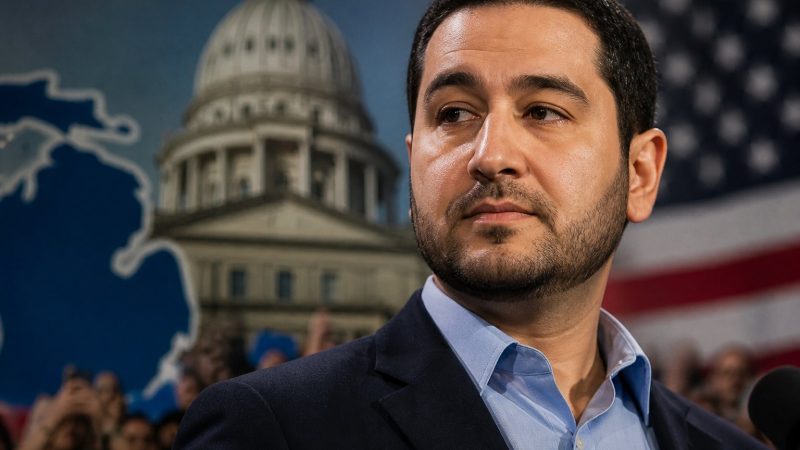
Michigan Senate nominee Abdul El-Sayed is putting Senate Democrats in a difficult spot as they rally behind him while avoiding questions about his far-left agenda. El-Sayed, who defeated Rep. Haley Stevens in a narrow and bruising primary, is now the party’s standard-bearer in one of the country’s most competitive Senate races, where Democrats are trying to hold a seat and fight for control of the chamber.
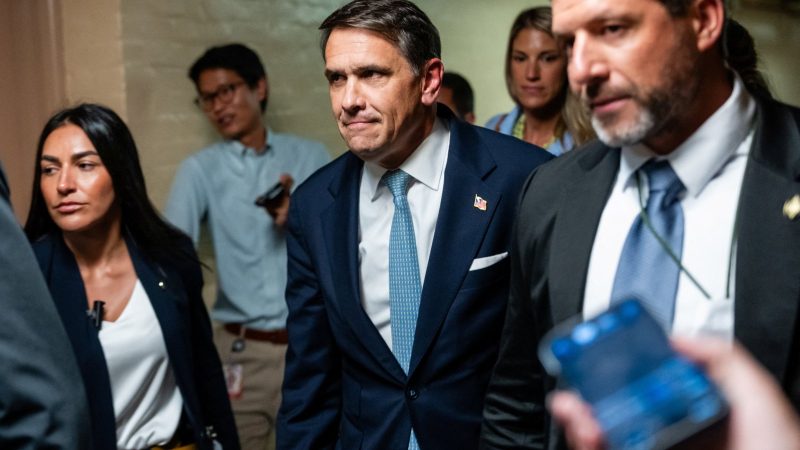
Several Democratic senators voiced confidence that El-Sayed can beat Republican Mike Rogers in November, even after prominent Democrats sided with Stevens during the primary. Sen. Bernie Sanders of Vermont, who endorsed El-Sayed, said he believes the Michigan Democrat will win. Sen. Patty Murray of Washington said, “I am very confident we’re going to win in Michigan.” But when asked about El-Sayed’s more controversial positions, including defunding the police, abolishing Immigration and Customs Enforcement, Medicare for all and his opposition to Israel, Murray brushed off the question and told Fox News Digital, “You can ask him.”
Sen. Tina Smith of Minnesota also said she believes El-Sayed will prevail over Rogers, but she did not linger when pressed about his policy views. She said she was “looking for the ladies room” and walked away. Sen. Mark Warner of Virginia took a different tack, saying “time will tell” when asked whether El-Sayed can win the general election. Warner said the Democrat has 90 days and acknowledged that he does not fully agree with El-Sayed on every issue.
El-Sayed’s path to the nomination came after a hard-fought primary that exposed a divide inside the Democratic Party between its progressive wing and its more moderate bloc. His win forced Democrats to close ranks quickly because Michigan is seen as a critical battleground in the effort to regain a Senate majority. That urgency helps explain why party leaders and senators are emphasizing unity now, even if some are unwilling to defend the nominee’s broader policy record. The tension reflects a wider problem for Democrats: energizing progressive voters while avoiding political baggage in competitive states.