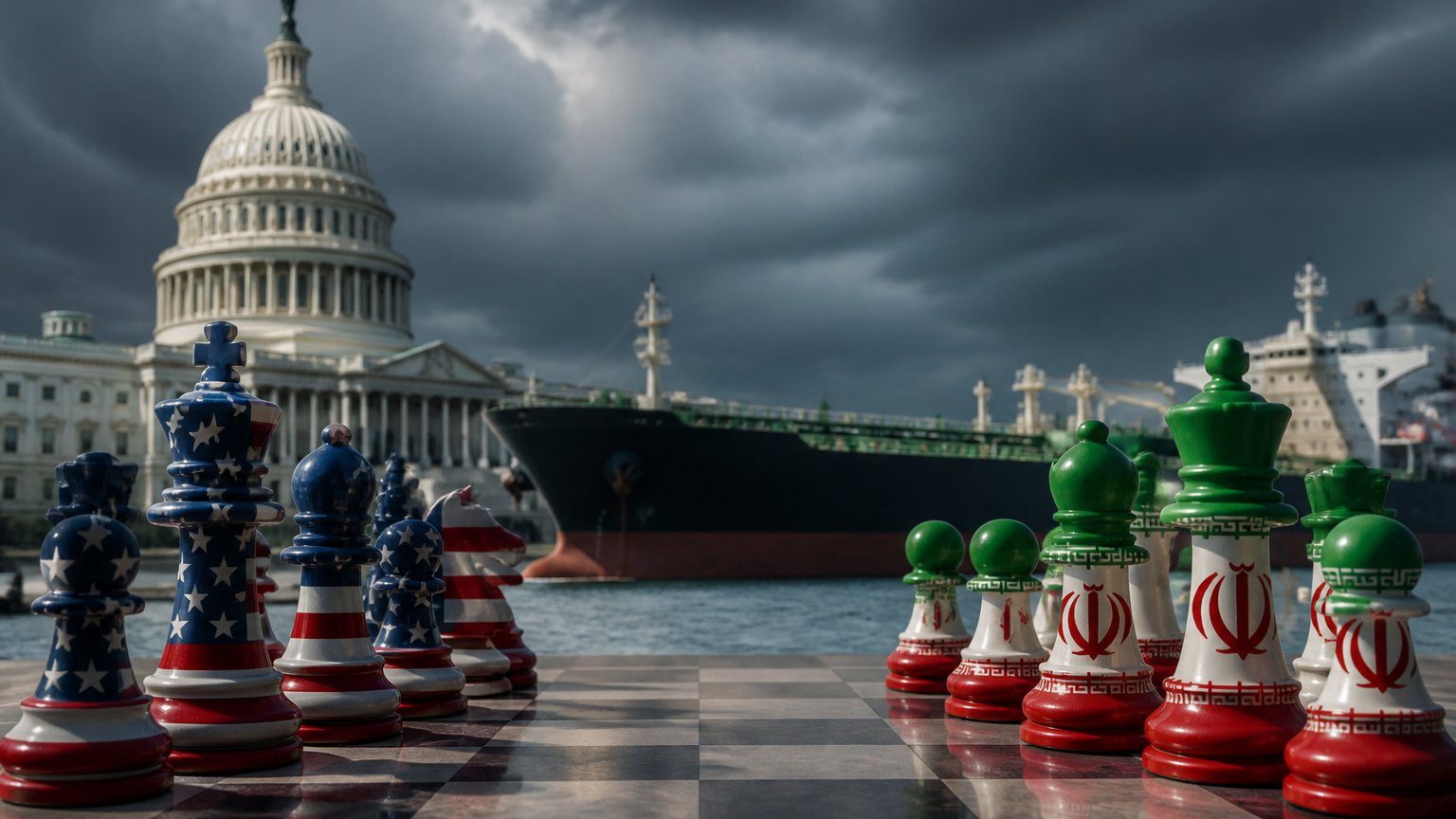
Treasury Secretary Scott Bessent says new Iran sanctions are coming next week as Washington keeps pressure on Tehran with a naval blockade.
WASHINGTON — The Iran sanctions campaign is headed for another escalation next week, with Treasury Secretary Scott Bessent saying the administration will unveil new economic measures against Tehran while keeping pressure on the country through a naval blockade.
Bessent made the remarks Thursday night in an interview with Newsmax’s Rob Schmitt, saying viewers should “watch this space” for more announcements in the coming week. He said the administration plans to use measures “like have never been seen in the history of economic isolation on a country,” while also keeping the maritime pressure in place. Bessent did not spell out what the next round of sanctions would target. Treasury is legally barred from previewing specific sanctions moves, leaving the next steps unclear.
He described the strategy as part of a broader campaign he called Operation Economic Fury, which he said supports the Pentagon’s Operation Epic Fury. Bessent said the effort has already expanded beyond earlier sanctions on money-changers, cryptocurrency, and other revenue sources. He also pointed to what he described as last year’s role in triggering an inflation crisis inside Iran, which he said led to mass protests in December and January.
The treasury secretary said the administration believes the pressure campaign is working because it combines economic restrictions with military leverage. He framed it as a “one-two punch,” arguing that the blockade helped intensify the effect of sanctions. Bessent said the naval blockade has halted most oil output, and he added that the Strait of Hormuz blockade will keep anything from moving in or out of Iranian ports.
“Treasury Secretary Scott Bessent says new Iran sanctions are coming next week as Washington keeps pressure on Tehran with a naval blockade.”
His comments come as negotiations to end the nearly six-month war have lost momentum. The White House has not said publicly what the next sanctions package will include, but Bessent’s remarks signal that Washington is preparing to tighten the screws further rather than ease up. The sanctions and blockade together show how the administration is using financial pressure and military force in tandem to try to shape the outcome.
Background matters here because sanctions have long been one of Washington’s main tools against Iran, and this latest push appears designed to go beyond the usual pressure campaign. Bessent compared the approach to earlier cases such as Cuba and Venezuela, saying those countries endured sanctions for long periods but that Venezuela “immediately crumbled” when a blockade was imposed. He also used unusually sharp language toward Democrats who said Iran had never been stronger, calling them “uninformed, deranged, and have no idea what they’re talking about.”
For Americans, the stakes go beyond another round of sanctions talk. Any escalation around Iran can affect energy markets, regional security, and the broader U.S. posture in the Middle East. The key question now is what Treasury announces next week and whether the administration follows through with the tougher economic and maritime pressure Bessent described. The takeaway: Washington is preparing to raise the cost of doing business with Iran even higher, and the next moves could shape the conflict’s next phase.
Frequently asked questions
What did Scott Bessent say about Iran sanctions?
He said the administration will announce new measures next week and described them as unlike anything used before in economic isolation.
Did Bessent say what the new sanctions will target?
No. He did not specify the next targets, and Treasury is legally restricted from previewing specific sanctions actions.
What other pressure is the U.S. keeping on Iran?
Bessent said the administration will continue a naval blockade that he said is limiting movement in and out of Iranian ports and has halted most oil output.
Why does the administration say the strategy is working?
Bessent said the U.S. is using a combination of economic isolation and the blockade as a one-two punch against Iran.
We value your privacy 🍪We use cookies for essential features and, if you allow it, to send you a notification whenever we publish a new story. See our Privacy Policy.
🇺🇸
The Defender Morning Brief
5 stories Americans need to know. 3 minutes. Every morning. Free.
📱 On iPhone: tap the Share icon, choose “Add to Home Screen”, then open TheTrueDefender from your Home Screen and tap 🔔 to turn on notifications. (Apple only allows notifications for saved web apps.)
🔔
Stay Ahead of Breaking NewsGet alerts when major stories break — not every time we publish.Breaking news only. No spam. Turn off anytime.
1Tap the ••• menu at the bottom of the screen, then tap Share(in Safari, just tap Share in the bottom bar directly)2Scroll down the menu and tap Add to Home Screen3Tap Add in the top-right corner4Open TheTrueDefender from your Home Screen, then tap 🔔 Subscribe and choose Allow
📱 Add TheTrueDefender to your home screen for one-tap access.