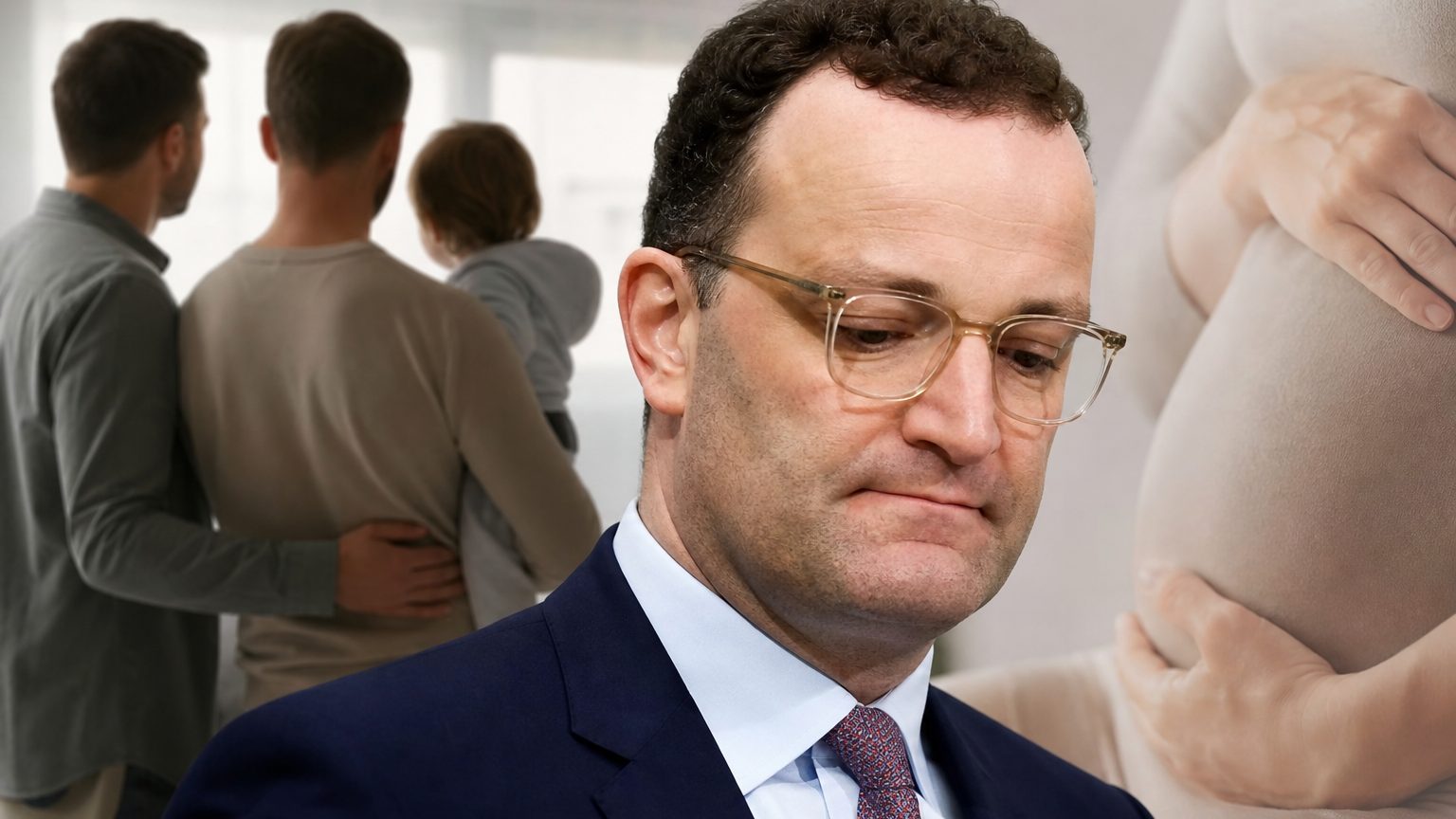
Jens Spahn resigned after the surrogacy controversy in Germany, where he backed a ban on the practice and later used it abroad.
German politician Jens Spahn has stepped down as parliamentary group leader after the surrogacy controversy in Germany turned into a public fight over credibility and consistency. Spahn, a senior figure in Chancellor Friedrich Merz’s governing CDU bloc, faced criticism after revealing that he and his husband, Daniel Funke, had become parents through a surrogate mother in the United States.
The dispute cut straight to the heart of German policy. Surrogacy is banned in Germany, a position supported by the Christian Democrat Union and, in the past, by Spahn himself. The law does not stop German couples from raising a child born through surrogacy abroad, but it does make the practice illegal inside the country. Spahn had previously taken a hard line on the issue, including when he served as health minister in 2020, when he rejected calls from the liberal FDP to loosen the ban.
In a statement on Saturday, Spahn said his private life and political role were no longer compatible. He wrote that founding a family with his husband and becoming a father did not fit with the demands of his office. He also said the gap between his personal choice and the expectations attached to his leadership role had become larger than he had expected. Spahn added that the tone of public debate had become increasingly harsh and urged people to remain humane in their language.
Merz backed the resignation, calling it the right and inevitable decision. He wrote on social media that credibility is politics’ most important asset and said he would begin the process of naming a replacement. German media reported that Alexander Hoffmann, who leads the Christian Social Union parliamentary group, would handle Spahn’s duties until a successor is chosen. Hoffmann said Spahn’s decision deserved the highest respect.
The controversy lands at a delicate moment for the CDU. Spahn is one of the party’s most influential figures and has weathered other political troubles before, but this issue appears to have gone too far for his own side. The row also comes as Merz faces weak polling and a series of key regional elections this autumn, including in Saxony-Anhalt, where the far-right AfD could win an outright majority.
The debate reaches beyond Germany. France, Spain and Italy also ban surrogacy, while France’s top court this month moved to recognise children born to surrogate mothers abroad as the legal children of their intended parents. In Italy, the practice was made illegal for Italians to use abroad in 2024 under Giorgia Meloni’s government. Why this matters: the fight over the surrogacy controversy in Germany shows how private choices can still carry major political consequences when they collide with public rules and party positions.