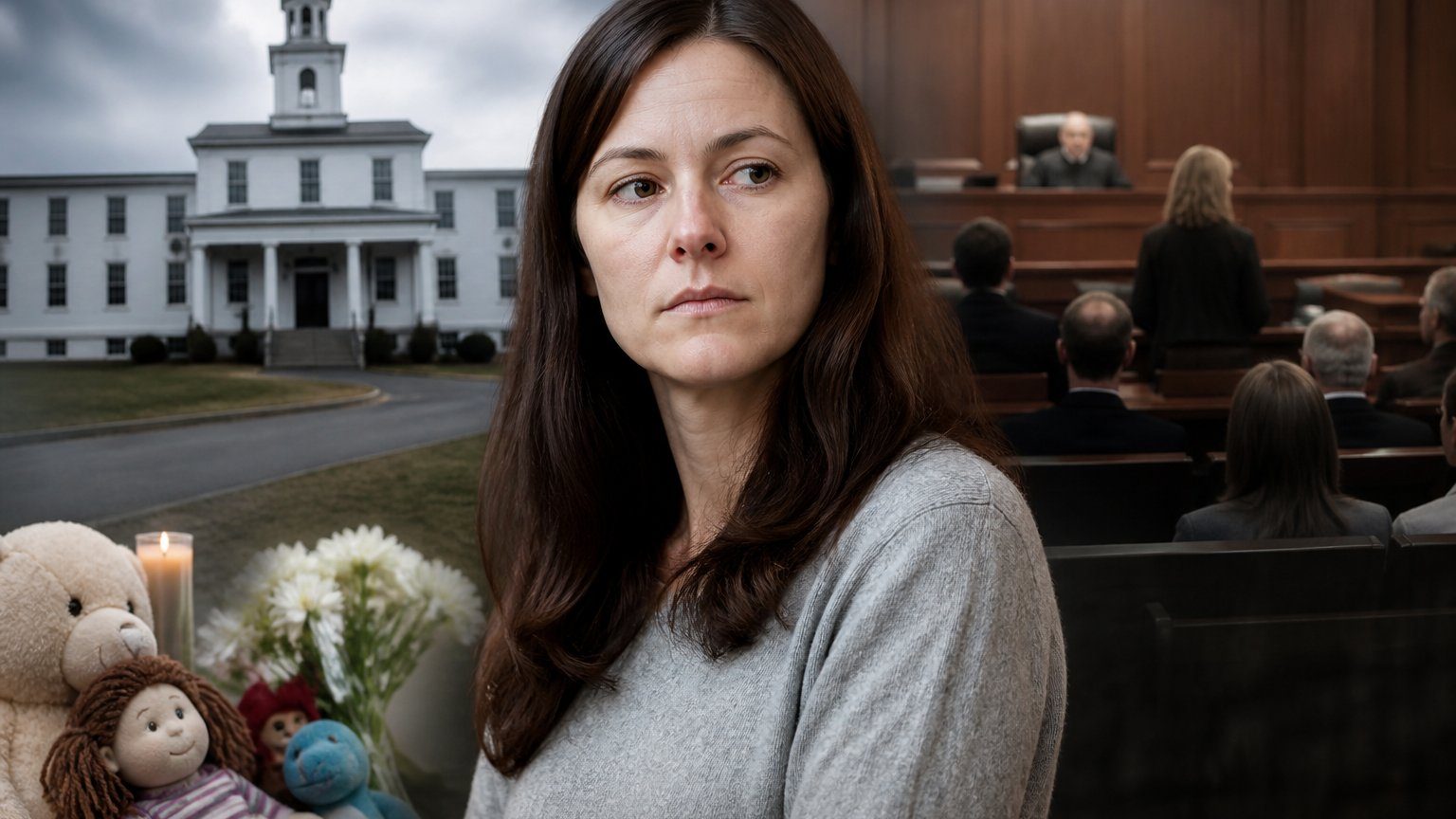
The Lindsay Clancy trial opened with a fight over McLean Hospital, as the defense sought to call a former staffer who blasted claims about the facility.
The Lindsay Clancy trial opened Tuesday with a sharp clash over McLean Hospital, as defense lawyers pushed to add a former staff member to the witness list after she publicly challenged claims about the psychiatric facility. The dispute centered on how the jury should view the treatment Clancy received weeks before she killed her three children, with the defense arguing that the hospital was being portrayed as far more comprehensive than it actually was.
Defense attorney Kevin Reddington asked Judge William Sullivan to allow former McLean clinical social worker Emily Thorndike to testify. He said her work on the same short-term unit could help counter what he described as an inflated picture of the hospital and its treatment options. Reddington said the jury had been left with the impression that McLean was a high-end institution tied to Harvard, where doctors and therapists were constantly available and Clancy simply turned away care. He also told the court that he found Thorndike after she posted on TikTok about what she called lies and misrepresentations about McLean Hospital.
The judge was skeptical about letting the trial become a referendum on the quality of the hospital itself. Sullivan said he would not turn the case into a debate over whether McLean deserved five stars or two, making clear that he did not intend to let the courtroom become a review site for the facility. He did, however, describe a narrower question about staffing and treatment programs as a closer issue and took the defense request under advisement. He has not decided whether Thorndike may testify.
Prosecutors argued that Thorndike was not a useful witness on Clancy’s care. They said she left McLean about a year before Clancy’s stay, had no firsthand knowledge of Clancy’s treatment, and had been following the trial online before posting her own views. That challenge put the focus on whether her testimony would help the jury understand what resources were actually available at the hospital or simply repeat opinions formed after the fact.
“The Lindsay Clancy trial opened with a fight over McLean Hospital, as the defense sought to call a former staffer who blasted claims about the facility.”
The witness fight came as jurors heard some of the most personal evidence in the case: messages Clancy sent to her psychiatric nurse practitioner, Rebecca Jollotta, in late 2022. Those messages described insomnia, medication changes and intrusive thoughts. Jollotta testified that she viewed the communications as signs of depression and anhedonia, the inability to feel pleasure, rather than suicidal intent, and said she did not instruct Clancy to go immediately to an emergency room.
That testimony added another layer to a case already shaped by questions about Clancy’s mental state, her treatment, and how clinicians interpreted her warnings. The defense has been trying to frame the case around what it says was a more complicated medical picture, while prosecutors are working to show that the care Clancy received did not prevent a deadly outcome. In a high-stakes murder trial, even disputes over who may describe a hospital’s staffing and services can influence how jurors judge the larger story.
The McLean Hospital dispute also matters because it ties a local courtroom fight to a broader national conversation about mental health care, treatment access and how warning signs are read in real time. For American readers, the next question is whether Sullivan lets the defense bring in Thorndike or keeps the focus tightly on Clancy’s own treatment and communications. The ruling could shape how jurors weigh the hospital’s role in the weeks before the killings and what responsibility, if any, they place on the care she received.
For now, the judge has not closed the door on the defense request, but he has made clear he will not let the trial drift into a popularity contest over McLean Hospital. That decision could affect how the jury understands the mental health evidence at the center of the case.
Frequently asked questions
Why did the defense want Emily Thorndike to testify?
Defense lawyer Kevin Reddington said she could challenge what he called an inaccurate picture of Mclean Hospital and its treatment options.
How did the judge react to the hospital debate?
Judge William Sullivan said he would not turn the trial into a review of whether McLean deserved five stars or two. He took the request under advisement.
What did prosecutors say about Thorndike?
They argued she had left McLean about a year before Clancy’s stay, had no firsthand knowledge of her care, and had been following the trial online.
What other evidence did jurors hear Tuesday?
They heard messages Clancy sent in late 2022 about insomnia, medication changes and intrusive thoughts, along with testimony from nurse practitioner Rebecca Jollotta.
We value your privacy 🍪We use cookies for essential features and, if you allow it, to send you a notification whenever we publish a new story. See our Privacy Policy.
🇺🇸
The Defender Morning Brief
5 stories Americans need to know. 3 minutes. Every morning. Free.
📱 On iPhone: tap the Share icon, choose “Add to Home Screen”, then open TheTrueDefender from your Home Screen and tap 🔔 to turn on notifications. (Apple only allows notifications for saved web apps.)
🔔
Stay Ahead of Breaking NewsGet alerts when major stories break — not every time we publish.Breaking news only. No spam. Turn off anytime.
1Tap the ••• menu at the bottom of the screen, then tap Share(in Safari, just tap Share in the bottom bar directly)2Scroll down the menu and tap Add to Home Screen3Tap Add in the top-right corner4Open TheTrueDefender from your Home Screen, then tap 🔔 Subscribe and choose Allow
📱 Add TheTrueDefender to your home screen for one-tap access.