The Mykhailo Fedorov removal has triggered protests and anger among Ukrainian troops who fear defense reforms could lose momentum.
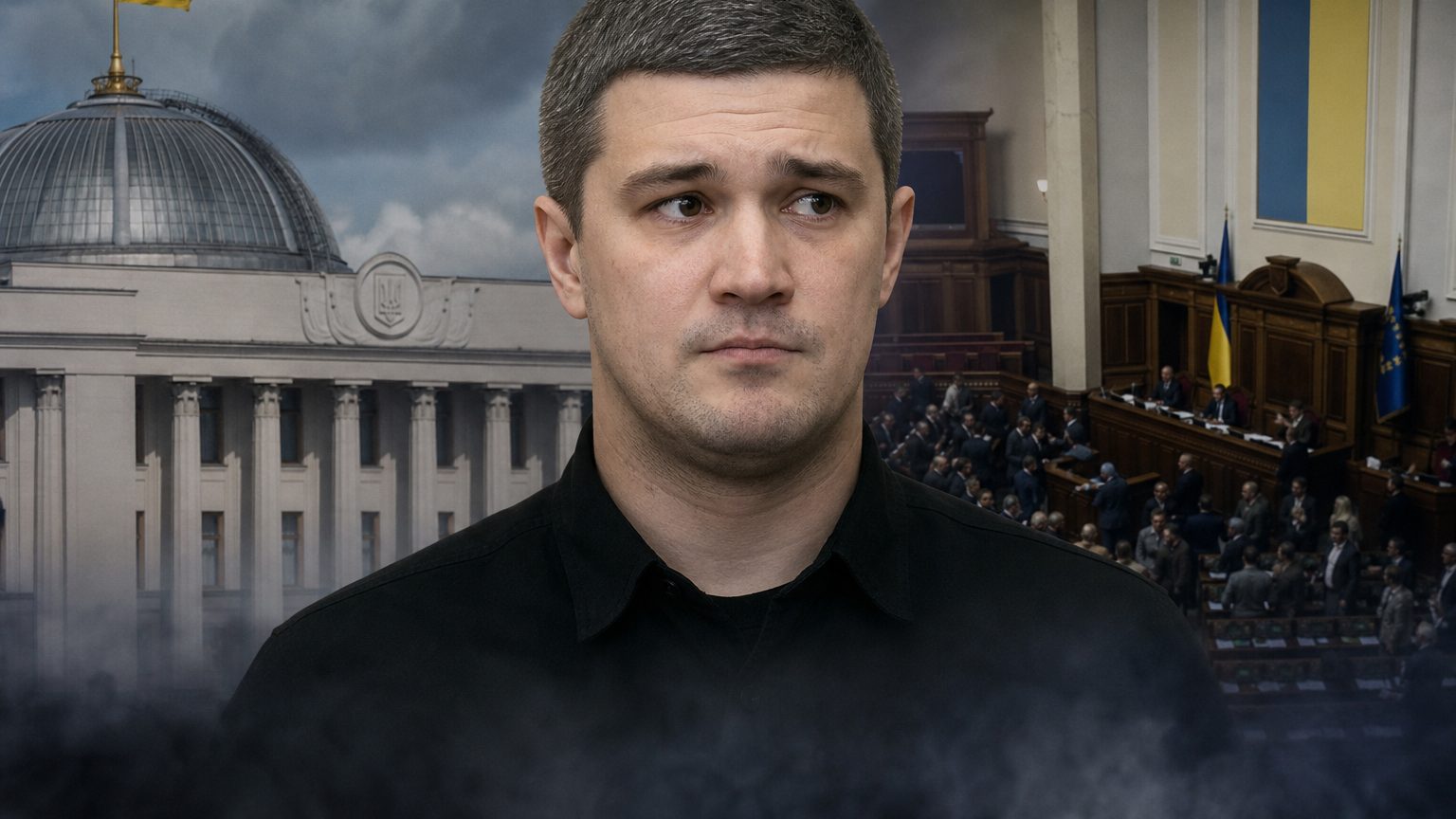
The Mykhailo Fedorov removal has set off protests across Ukraine and drawn fierce criticism from soldiers following President Volodymyr Zelensky’s latest cabinet reshuffle. Zelensky declined to reappoint the 35-year-old defense minister, whose brief tenure began in January. An unnamed wounded veteran, speaking in a Telegram video before a scheduled operation, said he hoped Fedorov would be restored to the post. Other troops told the BBC that the decision felt like an insult to those serving, though many spoke anonymously because army leaders had reportedly warned personnel against political debate.
Reaction inside the ranks has not been uniform. One soldier using the name Natasha said troops facing Russian rocket attacks had little time to focus on political demonstrations and handmade protest signs. Still, the messages gathered by the BBC showed broad respect for Fedorov’s work. As minister for digital transformation and later defense minister, he became closely tied to Ukraine’s push to expand drones, battlefield data and other technologies against Russia’s larger military.
Fedorov promoted a points-based drone program that rewarded front-line units for verified strikes on Russian personnel and equipment. The system was credited with helping units obtain equipment faster and encouraging new battlefield methods. During his short period at the Defense Ministry, he also persuaded Elon Musk to restrict Russian access to Starlink satellite internet, according to the report. Ukraine also advanced its use of artificial intelligence and lower-cost interceptors against Russian drones, while Fedorov reviewed ministry procedures in an effort to cut red tape and improve efficiency.
The dispute centered in part on Fedorov’s broken relationship with General Oleksandr Syrskyi, the 60-year-old commander-in-chief of Ukraine’s armed forces. Zelensky said the two could no longer work together, while Fedorov accused Syrskyi of obstructing his reforms. Some soldiers view the general as a symbol of an older, Soviet-style command structure. Others defend his record. A former front-line soldier now serving in the General Staff said Syrskyi remains difficult to replace and credited him with leading successful operations during the war.
The Mykhailo Fedorov removal has also renewed criticism of Zelensky’s leadership. Military analyst Ivan Stupak said Fedorov brought a rigid defense establishment into the digital era, while Daria Kaleniuk of Ukraine’s Anti-Corruption Action Centre warned that his departure could reverse progress at a critical stage of the war. Zelensky has said Fedorov’s programs will continue. The president has appointed Yevhenii Khmara, the acting head of the Security Service of Ukraine, as interim defense minister.
Protesters hope public pressure can again change Zelensky’s course. About a year earlier, large demonstrations pushed him to restore the independence of two anti-corruption bodies after proposed legislation threatened their authority. The current demonstrations are smaller, but critics say the stakes are higher because defense policy directly affects Ukraine’s fight against Russia and its ability to protect an energy grid that could face renewed attacks in autumn and winter. The takeaway for Americans is that a leadership fight inside Ukraine’s defense system could affect the direction of a war in which the United States has a major strategic interest.