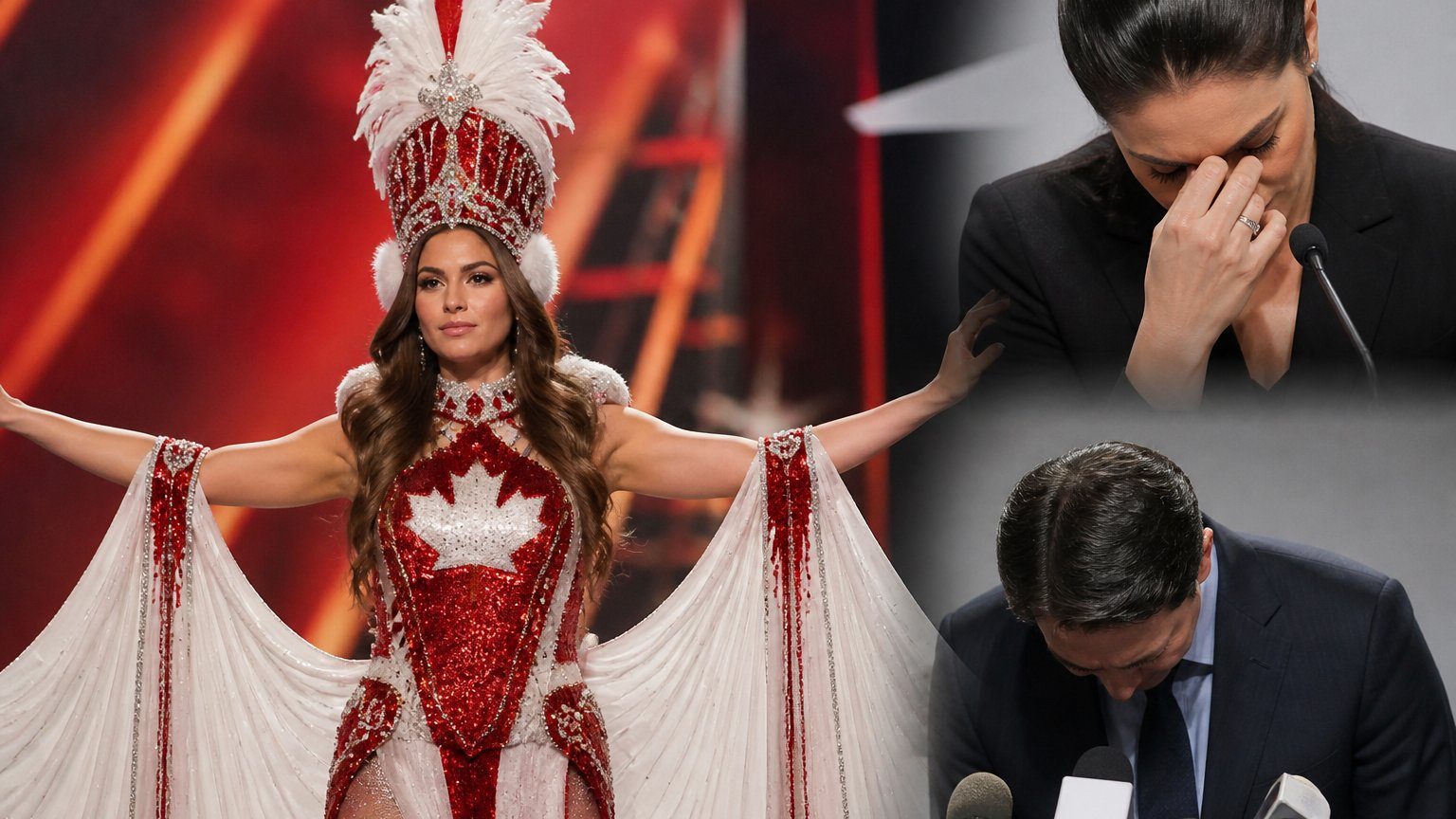
Miss Universe Canada is facing criticism after two contestants wore indigenous-inspired attire during the pageant’s national costume segment, prompting apologies from the women and a promise of tighter rules from the organization. The dispute unfolded after a fur dress, boots and a feathered headdress appeared on stage in a competition meant to celebrate Canadian culture and heritage.
The pageant said in a statement that if any costume caused offence, hurt or misunderstanding, that had never been the intention. One contestant, Karisa Haverkamp, later wrote on Instagram that her national costume caused hurt and offence to people in the Indigenous community and said she appreciated what she had learned from the experience. Another contestant, Jasleen Kaily, also apologized, saying she never meant to disrespect or misrepresent Indigenous culture and that she had wanted to recognize and celebrate one of the First Peoples of Canada.
The controversy drew a public response from former winner Ashley Callingbull, a Plains Cree woman from the Enoch Cree Nation, who was co-presenting part of the final. Callingbull said there was cultural appropriation directed toward Indigenous people and told the audience, “It’s 2026, we should know better.” She said she had not been present when the costumes were worn and only later saw them on video. In an interview with CBC Indigenous, she said she was stunned by what appeared on stage and questioned who had approved it.
Haverkamp’s outfit included a feather headdress, which is traditionally worn by highly respected Indigenous leaders in North America. It also featured a red handprint on her face, a symbol used in solidarity with the Missing and Murdered Indigenous Women movement. Kaily’s costume, billed as “Arctic Beauty,” included an all-fur dress and boots known as mukluks, along with two braids. Hair braiding can carry deep cultural meaning for First Nations people.