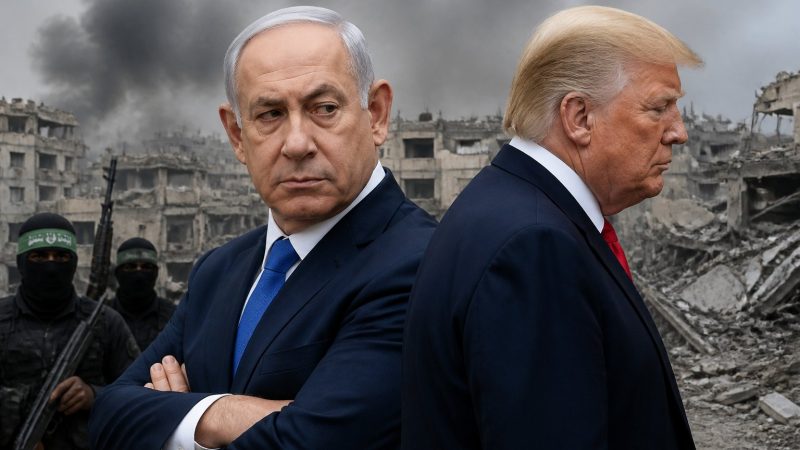
Netanyahu rejected the 15-point Gaza plan, but the White House is said to see his stance as election-season politics, not the end of talks.
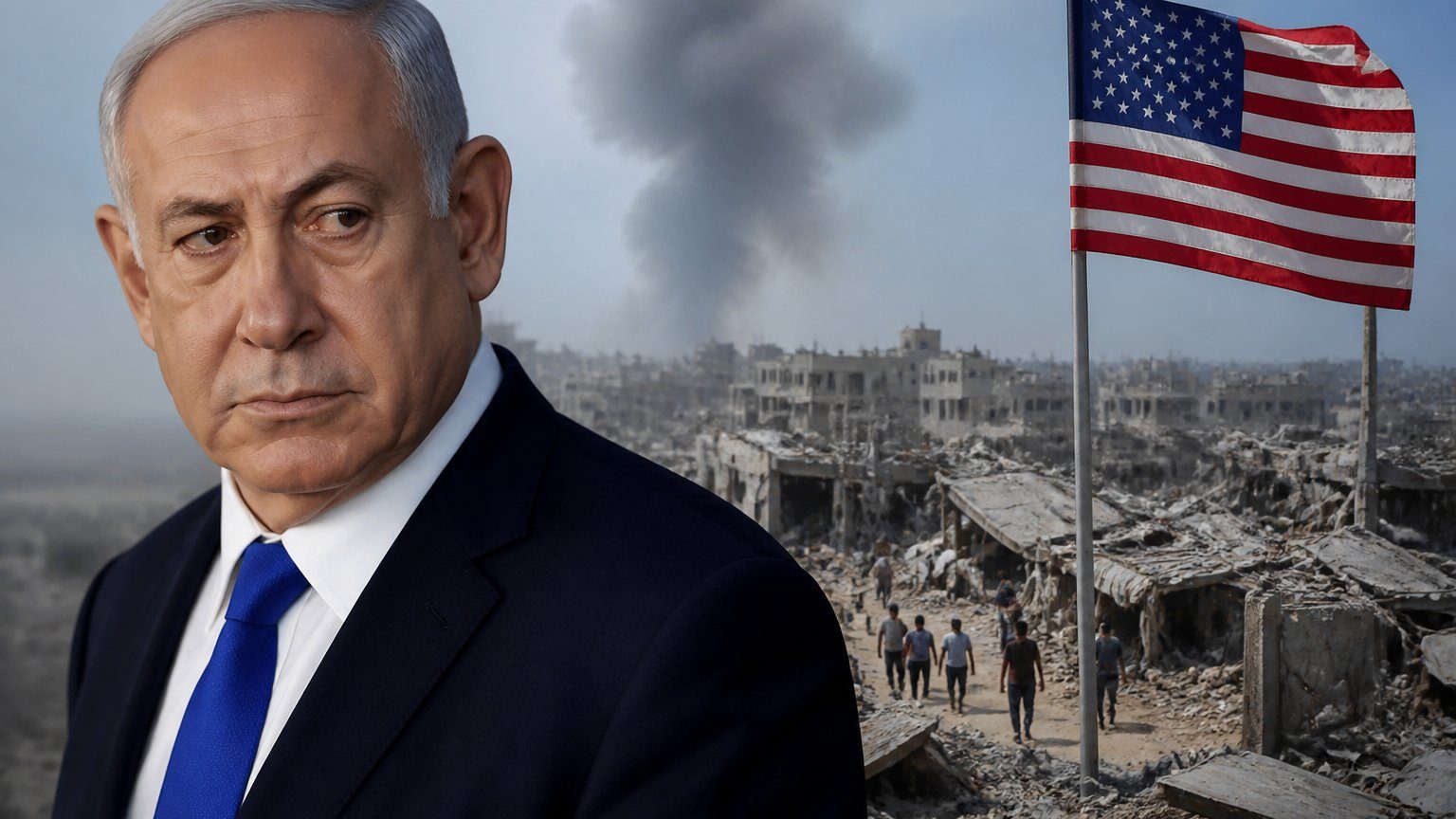
Benjamin Netanyahu’s rejection of the Gaza plan has not ended the White House push behind it, with US officials reportedly treating the Israeli prime minister’s comments as campaign-season politics ahead of Israel’s general election. Netanyahu said Israel would not accept the 15-point document, but American pressure appears set to continue as talks over Gaza’s future move forward.
Netanyahu told his cabinet that Israel would not agree to the document and said Israeli forces would not withdraw until Hamas was disarmed. He drew a hard line on what disarmament would mean, describing it as the removal of heavy weapons, lighter weapons and all other arms. He also praised President Donald Trump as “the greatest of our friends in the White House,” while insisting Israel knew how to reject ideas it considered unacceptable. Israeli journalist Barak Ravid quoted a senior US official as saying, “We understand Bibi’s political needs,” adding that Washington had no problem with the remarks as long as Israel kept doing what it was asked, especially by restraining attacks in Gaza.
The dispute centers on Trump’s Board of Peace roadmap, a phased plan that would see Hamas and other Palestinian armed groups disarm, weapons placed under the control of a new Palestinian administration in Gaza, and Israeli forces withdraw from the more than 60% of Gaza they currently hold. The proposal also calls for an International Stabilization Force, or ISF, to work alongside a new Palestinian police force to secure the territory. Israeli public radio, Kan News, reported that construction on the first ISF base is still expected to begin at the end of this month in the ruins of Rafah in southern Gaza, a move that would open the way for reconstruction.
Trump announced in July that the plan had reached what he called a “major milestone.” Writing on Truth Social, he said the Board of Peace had agreed to the complete disarmament of Hamas and other Palestinian armed groups in the territory. Senior Hamas officials said they had accepted the new framework, while making clear that their compliance depended on Israel meeting its side of the deal. The agreement was widely seen as a possible breakthrough, with the United Kingdom welcoming it and the European Union calling it a “crucial step.”
“Netanyahu rejected the 15-point Gaza plan, but the White House is said to see his stance as election-season politics, not the end of talks.”
Israel did not respond formally for more than a week. A spokesman said only that the roadmap did not “reflect Israel’s positions,” and far-right minister Itamar Ben-Gvir called it “unacceptable” on X. Mainstream opposition figures also raised concerns, questioning whether all small arms would be handed over and how the phases of the deal would work. Netanyahu then made his rejection public on Sunday, saying Israel would not accept the plan as written.
There is also a wider political backdrop in Israel. The country’s general election is scheduled for 27 October, making this the first national vote since the 7 October 2023 Hamas-led attacks that ignited the Gaza war. Netanyahu has promised “absolute victory” over Hamas but has not delivered it, and his position is under strain. Former US diplomat Aaron David Miller called it the most consequential election of Netanyahu’s political life, saying he is trying to keep supporters on side without alienating Trump. Miller said the White House appears willing to give Netanyahu a pass for now and doubts there will be major movement before Israel has another government.
At the same time, the Board of Peace is trying to reassure Israelis that the plan is built around verification, not trust. Nickolay Mladenov, the High Commissioner for Gaza, said the goal is to ensure Gaza never again threatens Israeli security and that the October 7 attack is not repeated. He said the sequence matters: verified decommissioning of weapons would be followed by an Israeli withdrawal. Hamas has since said it remains committed to the roadmap and urged mediators and the Board of Peace to press Israel to keep its side of the agreement. Netanyahu has also confirmed that talks with the Americans are still under way, even as pressure from Washington is expected to grow. For American readers, the fight over the Gaza plan matters because it ties U.S. diplomacy, Israeli politics and the next stage of the war together, with Trump looking for a foreign policy win and Congress watching a conflict that still carries major consequences at home and abroad.
Frequently asked questions
What did Netanyahu say about the Gaza plan?
He told his cabinet that Israel does not accept the 15-point document. He also said Israeli forces would not withdraw until Hamas is fully disarmed.
How is the White House reacting to Netanyahu’s rejection?
US officials reportedly are not alarmed and view the comments as campaign rhetoric ahead of Israel’s election. The White House has not formally commented.
What does the plan for Gaza call for?
It is a phased plan for Hamas and other armed groups to disarm, for weapons to be taken into storage, and for Israeli forces to withdraw from most of Gaza. It also includes an International Stabilization Force working with a new Palestinian police force.
What happens next?
Talks between Netanyahu and the Americans are continuing, and pressure from Washington is expected to increase. Construction on the first ISF base is still expected to begin at the end of this month.
We value your privacy 🍪We use cookies for essential features and, if you allow it, to send you a notification whenever we publish a new story. See our Privacy Policy.
📨
Never Miss a Story
Get the headlines that matter delivered straight to your inbox.
📱 On iPhone: tap the Share icon, choose “Add to Home Screen”, then open TheTrueDefender from your Home Screen and tap 🔔 to turn on notifications. (Apple only allows notifications for saved web apps.)
🔔
Never miss a breaking storyGet free alerts the moment big US news breaks.
1Tap the ••• menu at the bottom of the screen, then tap Share(in Safari, just tap Share in the bottom bar directly)2Scroll down the menu and tap Add to Home Screen3Tap Add in the top-right corner4Open TheTrueDefender from your Home Screen, then tap 🔔 Subscribe and choose Allow
📱 Add TheTrueDefender to your home screen for one-tap access.