⚡ LATEST
New York Magazine Cover Draws Antisemitism Backlash

New York Magazine Cover Draws Antisemitism Backlash

New York Magazine’s “Habibi City” cover story drew backlash over claims it erased Jewish history while promoting Arab and Muslim culture in New York.

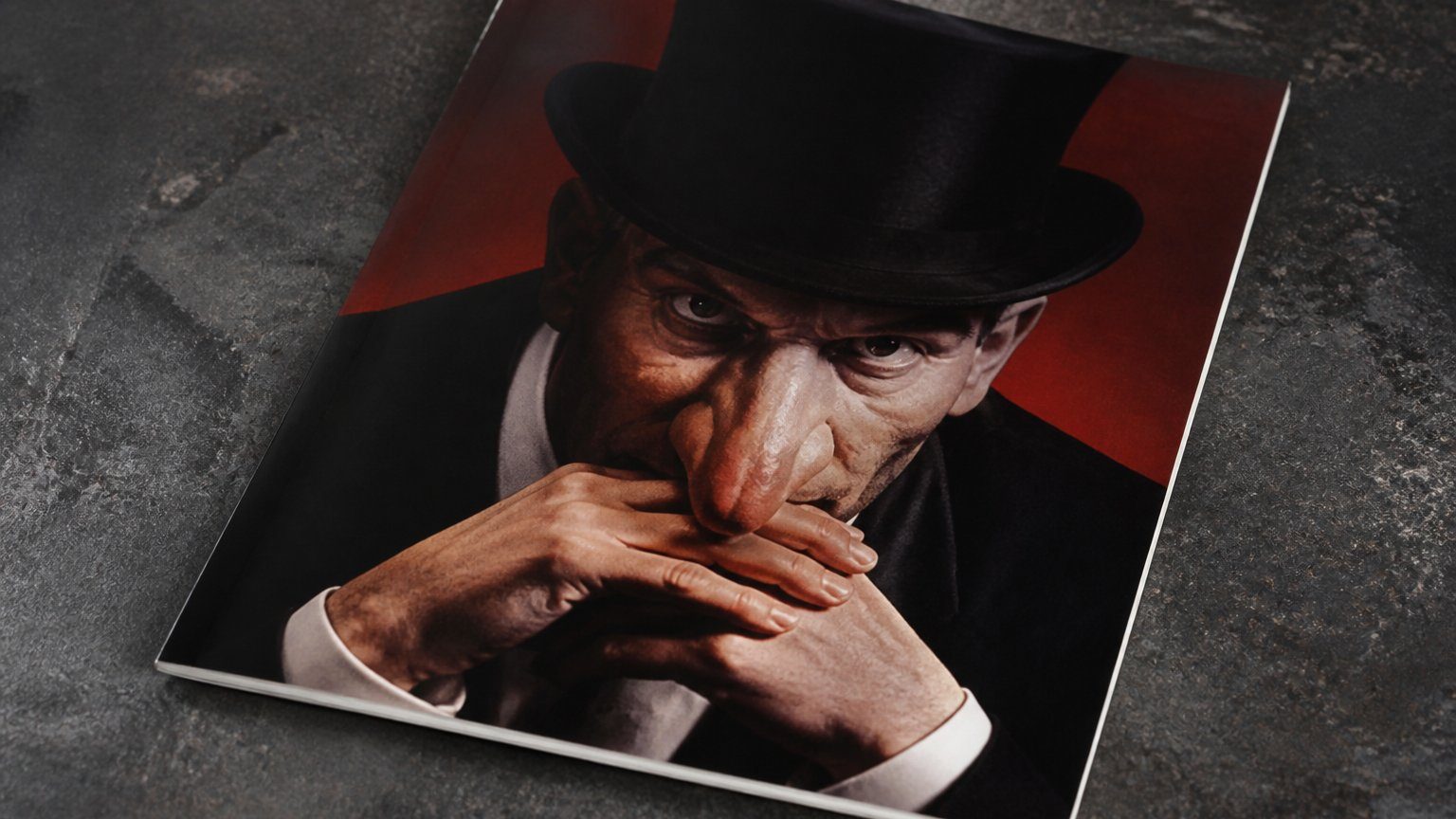
New York Magazine is facing a wave of backlash over its Habibi City cover story, with critics accusing the publication of erasing Jews while presenting Arab and Muslim culture in New York as its subject. The Monday issue, which was meant to spotlight a thriving cultural scene, instead set off accusations that the magazine framed the city through an anti-Israel lens and minimized Jewish history and identity.

The controversy centers on the magazine’s focus on the aftermath of October 7 and the war in Gaza. Critics said the package repeatedly referenced Israel’s response while failing to give equal weight to the Hamas attack that killed 1,200 people and led to 251 abductions into Gaza. The magazine described a growing cultural ecosystem among young SWANA New Yorkers, saying it was shaped by resistance and protests after October 7 and by pain over what it called the genocide in Gaza. Jewish readers, activists, and writers argued that language like that crossed a line by casting Zionism alongside hatred and discrimination.

Among the loudest reactions was from journalist Jordana Horn, who said she would cancel her subscription to a magazine she had long admired and written for. She said the publication was actively trying to diminish Jewish history and identity, and she told The Post that she would not support what she called anti-Jewish sentiment in the city. Jewish civil rights group End Jew Hatred also condemned the issue, saying it was dangerous and that it narrowed belonging around views on Gaza in a way that pushed out Mizrahi Jews whose families came from across the Middle East and North Africa.

Other critics said the piece blurred important distinctions that many Jews view as central to their identity. AIPAC said treating Zionism as one more form of identity-based hatred erases the belief that Jews, like other peoples, have a right to self-determination and safety. Pro-Israel activist Yardenne Greenspan said the magazine appeared to be claiming authority over who truly counts as Middle Eastern. New York immigration lawyer Abraham Hamra, a Jewish Syrian native, made a similar point, saying the omission of more than 120,000 New York Jews from Arabized countries was not a mistake but exclusion presented as inclusion.

The backlash also reached the magazine’s food coverage. Tablet Magazine mocked the issue and its Middle Eastern restaurant feature, while critics pointed to a mention of Ayat, a restaurant that describes itself as serving Palestinian soul food and includes a map labeling present-day Israel as “Discover Palestine.” One consultant who worked on the food article said it read like a hit piece on Jewish and Israeli chefs dressed up as a celebration of cuisine and culture. That same insider also described the fact-checking process as “super shady.”

Former New York writer Eve Barlow, who says the outlet fired her in 2020 over her stance against Jewish hate, said the uproar did not surprise her. She said the magazine had praised her work before later distancing itself, and she claimed staff members unfollowed her on social media in unison after she became more vocal. Her comments added another layer to a dispute that has widened beyond one cover story and into questions about the magazine’s newsroom culture.

Some critics also focused on the visual presentation, saying the issue appeared to use the long-defunct Fraktur font on the cover story and wondered what message that might send. The broader fight comes as New York continues to face rising hate crimes, with critics noting that more than half of reported incidents have targeted Jewish New Yorkers under Mayor Zohran Mamdani. For American readers, the dispute is about more than one magazine cover: it touches the line between cultural coverage and political bias, and it shows how quickly media choices can inflame already raw tensions over identity, Israel, and antisemitism. What happens next will hinge on whether New York Magazine responds to the criticism or lets the backlash keep defining the story.

Frequently asked questions

What is sparking the backlash against New York Magazine?
Critics say the Habibi City issue erased Jewish identity while presenting Arab and Muslim culture in New York. They also objected to its framing of Israel, Gaza, and Zionism.
Why did some readers cancel subscriptions?
Journalist Jordana Horn said she canceled because she believed the magazine was negating Jewish history and identity. She said she would not pay for a publication she felt was fueling anti-Jewish sentiment.
How did Jewish organizations respond?
End Jew Hatred called the package dangerous and said it marginalized Jewish representation. AIPAC also criticized the way the issue grouped Zionism with forms of hatred.
What other parts of the issue drew criticism?
Critics objected to the restaurant coverage, including a mention of Ayat and a map labeled Discover Palestine. Some also questioned the use of Fraktur on the cover story.
Full coverage: New York City
Netanyahu Rejects Trump Gaza Plan Over Hamas Disarmament
Up Next · in World

Netanyahu Rejects Trump Gaza Plan Over Hamas Disarmament

3 min read Continue reading

More from US News

View all →
🇺🇸

The Defender Morning Brief

5 stories Americans need to know. 3 minutes. Every morning. Free.