Russian anti-war critics Ilya Remeslo and Boris Nadezhdin face detention and an election ban as Moscow widens its campaign against dissent.
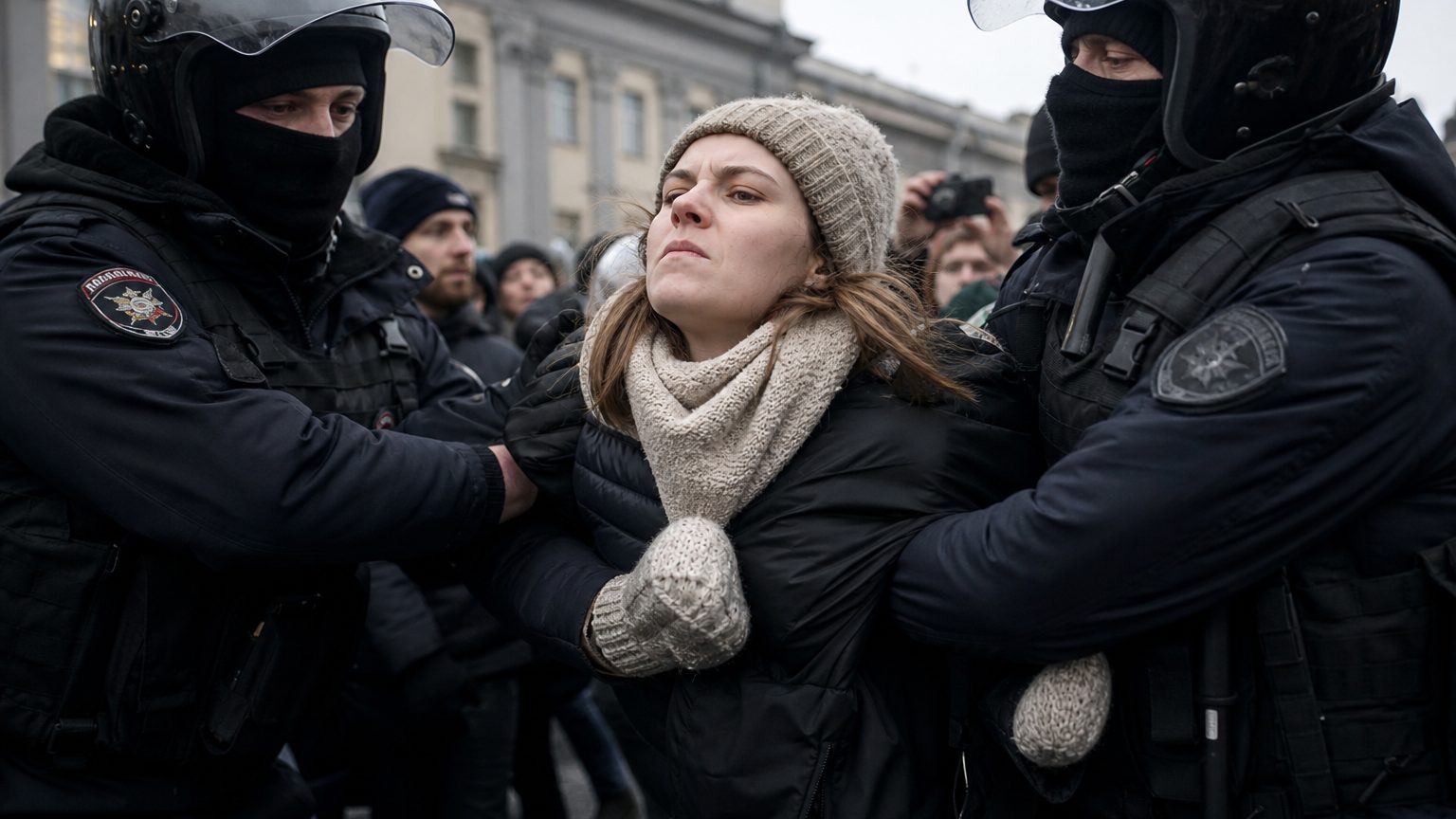
Russian anti-war critics faced new legal pressure Friday as authorities placed blogger Ilya Remeslo in pre-trial detention and secured a ruling that blocks politician Boris Nadezhdin from gathering signatures for Russia’s September parliamentary elections. The two cases add to the Kremlin’s continuing campaign against public opposition to the war in Ukraine.
A court ordered Remeslo held for two months on suspicion of spreading allegedly false information about the Russian military. His lawyer said authorities detained him in St. Petersburg before taking him to Moscow. Remeslo said the case stems from a March 2026 Telegram post titled “Five reasons why I stopped supporting Vladimir Putin,” in which he reversed his previous support for the president and called for Putin to resign.
Remeslo’s break with the Kremlin drew attention because he had previously defended Putin’s handling of the war and criticized opposition leaders, particularly Alexei Navalny. In his March post, Remeslo raised concerns about Russia’s economy and government limits on internet and media freedom. Authorities later sent him to a psychiatric hospital for a month. After his release, he alleged that the confinement had been against his will.
In a separate case, Nadezhdin, 63, was convicted of displaying what authorities classified as extremist symbols after reposting a 2023 video that briefly included Navalny’s image. The court fined him 1,000 rubles, equal to about $13, and the conviction prevents him from collecting the signatures needed to register as a parliamentary candidate. Nadezhdin denied wrongdoing and said officials were trying to silence him and keep him out of the State Duma. He can appeal the ruling.
Nadezhdin, a former member of parliament who has presented himself as a pro-peace politician, was also labeled a “foreign agent” last week and barred from leaving Russia. He told the court that frozen bank accounts would prevent him from paying the fine. Nadezhdin, who has high blood pressure and diabetes, briefly fell during his appearance in a court in Dolgoprudny, north of Moscow. He previously sought to challenge Putin for the presidency on an anti-war platform, but election officials rejected his candidacy after ruling that submitted signatures were flawed.
The pressure on Russian anti-war critics comes as few established opposition figures remain inside the country. Many have gone into exile, while Navalny died in an Arctic penal colony in February 2024. Russia attributed his death to natural causes, but Britain and four European nations have said they believe he was poisoned with a lethal toxin. Meanwhile, Ukrainian attacks on Russian refineries and storage sites have contributed to fuel shortages, and two Russian polls reported Putin’s approval at roughly 65% to 66%, including his lowest VTsIOM rating since the full-scale invasion began in February 2022. For Americans, the takeaway is that Russia is tightening control over anti-war voices even as domestic economic and political pressures challenge the Kremlin.