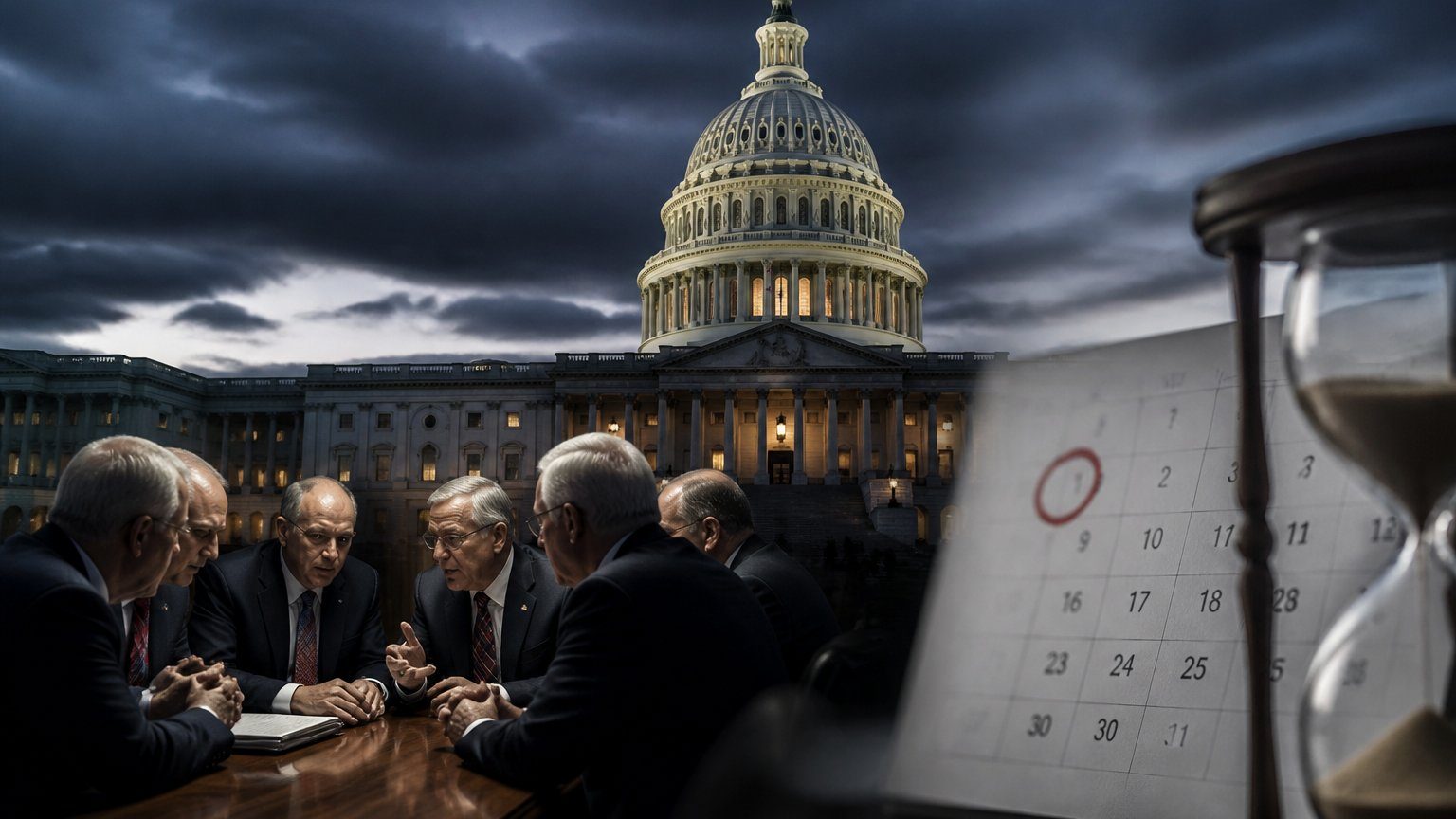
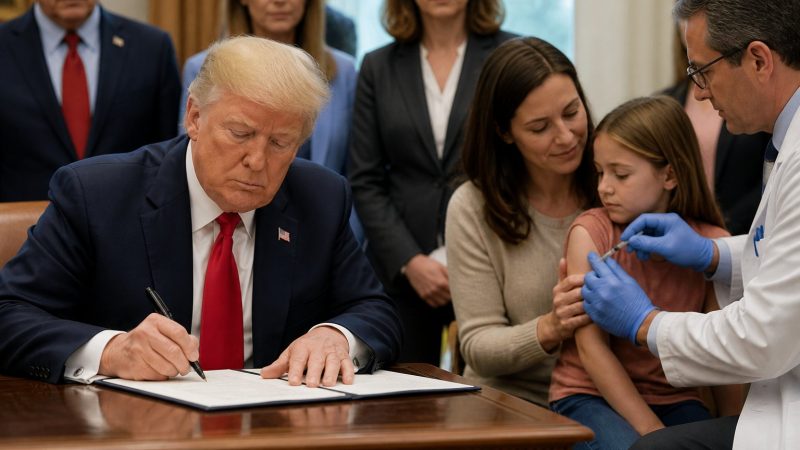
The Senate funding deal passed 90-6 and keeps the government open beyond the midterms, but major fights over grants, hemp, and immigration are still ahead.
The Senate funding deal cleared a major hurdle Saturday, with lawmakers voting 90-6 to advance a stopgap bill that keeps the government funded past this fall’s midterm elections. The bipartisan vote gave Washington a temporary break from shutdown brinkmanship, but it also only postponed several of the hardest fights until later in the year.
Sen. Lindsey Graham, R-S.C., was the lone senator who did not vote yes or no, instead registering a present vote. The chamber moved quickly after a Saturday morning agreement allowed leaders to fast-track the legislation and wrap up business before the August recess. The House has already approved its own version, and the two chambers now have to reconcile their differences before current funding expires on October 1.
The central divide is timing. The House bill extends government funding through December 4, while the Senate version goes one week longer, to December 11. That difference may sound small, but it matters because the stopgap measure is only a bridge. It gives Congress more time, yet it also guarantees another showdown as the calendar moves toward the end of the year.
One of the biggest flashpoints inside the Senate funding deal involves a Trump administration priority that would give political appointees more influence over which federal grants are approved. Senators placed language in the bill to freeze that policy for the life of the temporary spending measure, pushing the dispute into December. Republican Sen. John Kennedy of Louisiana said he will oppose any effort to make the grant restrictions permanent. Senate Appropriations Chair Susan Collins, R-Maine, took the opposite view and said she will keep fighting the administration’s plan. “I think they politicize the grants process, and I don’t want that to occur,” Collins said. Sen. Patty Murray, D-Wash., the top Democrat on the Appropriations Committee, also said she is prepared to push back against the proposal.
“The Senate funding deal passed 90-6 and keeps the government open beyond the midterms, but major fights over grants, hemp, and immigration are still ahead.”
Another battle came over hemp regulation. Sen. Ted Budd, R-N.C., tried to attach an amendment that would have allowed a federal ban on intoxicating hemp products to take effect in November, but the Senate rejected it. Leaders instead backed the administration’s position and added language that delays the ban’s start date.
Immigration funding produced perhaps the sharpest disagreement in the measure. Senators left ICE and Customs and Border Protection out of any additional money under the temporary bill, pointing to the roughly $70 billion Congress already sent those agencies earlier this year. That decision is already drawing resistance in the House. Rep. John Rutherford, R-Fla., said the freeze could be “a dealbreaker” when the bill reaches the floor, while Rep. Jeff Van Drew, R-N.J., said he does not like the Senate language and wants to know what the president thinks.
The White House backed the Senate bill in a formal Statement of Administration Policy, while declining to extend the same support to the House version. In its statement, the administration said, “Every Member of Congress should support passage of this [continuing resolution] to keep the Government open as discussions on full year appropriations continue.” House Democrats split from their Republican counterparts as well. Rep. Rosa DeLauro of Connecticut, the ranking Democrat on the House Appropriations Committee, said the Senate bill is an improvement over the House Republican measure because it blocks the grant overhaul and holds back more immigration funding. She added that Congress should still be working on full-year spending bills rather than relying on another temporary fix.
The real pressure now shifts to the House, where leaders must decide whether to accept the Senate terms, insist on their own deadline, or risk running into a shutdown fight neither party wants heading into election season. The broader stakes are plain: Congress has bought time, but not peace, and Americans will be back on edge when the next funding deadline arrives in December.
Frequently asked questions
What did the Senate vote do?
The Senate voted 90-6 to advance a temporary funding bill that keeps the government open past the midterm elections.
What is the main difference between the House and Senate bills?
The House version funds the government through December 4, while the Senate version extends funding through December 11.
What issue divided lawmakers over federal grants?
Senators inserted language freezing a Trump administration proposal that would give political appointees more say over federal grant approvals.
Why is the House likely to debate this bill closely?
House members are already split over the grant language and the decision to leave ICE and Customs and Border Protection out of extra stopgap funding.
We value your privacy 🍪We use cookies for essential features and, if you allow it, to send you a notification whenever we publish a new story. See our Privacy Policy.
📨
Never Miss a Story
Get the headlines that matter delivered straight to your inbox.
📱 On iPhone: tap the Share icon, choose “Add to Home Screen”, then open TheTrueDefender from your Home Screen and tap 🔔 to turn on notifications. (Apple only allows notifications for saved web apps.)
🔔
Never miss a breaking storyGet free alerts the moment big US news breaks.
1Tap the ••• menu at the bottom of the screen, then tap Share(in Safari, just tap Share in the bottom bar directly)2Scroll down the menu and tap Add to Home Screen3Tap Add in the top-right corner4Open TheTrueDefender from your Home Screen, then tap 🔔 Subscribe and choose Allow
📱 Add TheTrueDefender to your home screen for one-tap access.