⚡ BREAKING
Trump Claims U.S. Controls Strait of Hormuz

Trump Claims U.S. Controls Strait of Hormuz

Trump says the U.S. has total control of the Strait of Hormuz as Energy Secretary Chris Wright reports rising oil flows from the region.

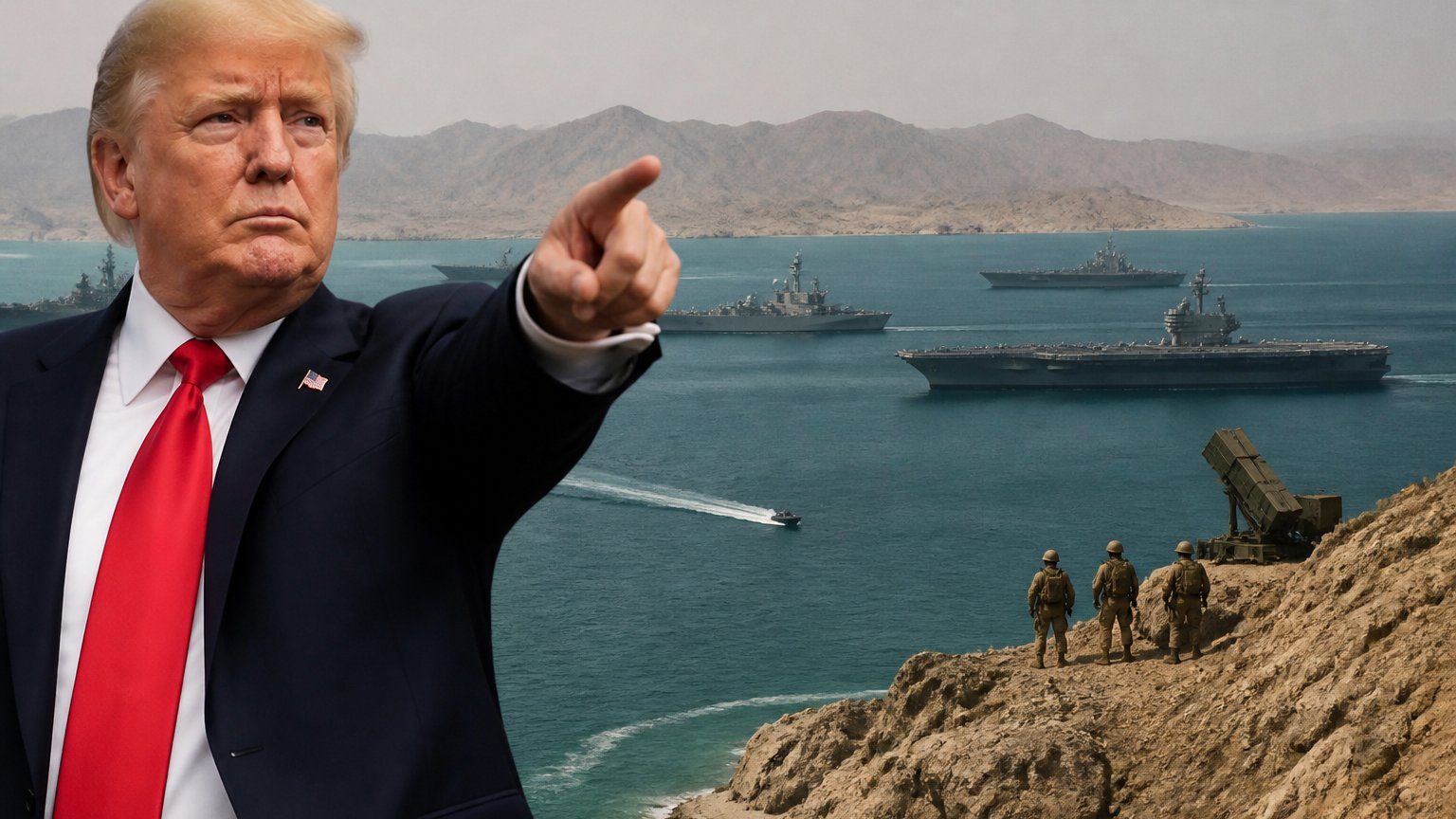
President Trump said Wednesday that the Strait of Hormuz is under total American control, casting the U.S. Navy’s presence there as a “Wall of Steel” while oil continues to move out of the region at a high pace. The comments came a day after Energy Secretary Chris Wright said exports through and around the strait had increased even as Iran’s economy keeps weakening.

Trump made the claim on Truth Social, writing that the U.S.A. has “total control over the Strait of Hormuz” and adding that he believed the country would keep it. He also said the Navy blockade was being described as “A WALL OF STEEL” and asserted that Iran cannot do anything about it. In the same post, Trump said the Islamic Republic has no navy or air force, that its remaining soldiers are unpaid, and that the IRGC is “decimated and fleeing.” He also said Iran’s leadership is uncertain and that the country has no money. Trump ended the message by calling Iran “all talk and no action.”

The blockade of Iranian ports was renewed last month as the administration leaned more heavily on economic pressure against Tehran. Trump’s approach has been aimed at forcing the Islamic Republic to sue for peace, according to the president’s own description of the policy. The latest remarks fit a broader White House posture that has paired military pressure in the waterway with efforts to squeeze Iran financially.

Wright’s update on Tuesday offered the clearest numerical picture of the flow through the region. He said the seven-day average of oil leaving the Strait of Hormuz had reached almost 9 million barrels per day. He added that when that figure is combined with another 5 to 7 million barrels per day moving through newly upgraded pipelines and export facilities, total oil flows are running at about 15 million barrels per day. Wright also said that on Sunday alone, more than 20 million barrels left the Arabian Gulf region, a level he said was above the pre-conflict average.

The Strait of Hormuz remains one of the most important chokepoints in the global energy trade, which is why even small shifts there can ripple through markets, shipping routes, and American energy costs. Any sign that the U.S. is tightening its grip on the passage will draw close attention from traders, allies, and rivals alike, especially as Washington continues to use sanctions, naval power, and export controls to pressure Tehran. For Americans, the key question is whether that pressure stabilizes a vital shipping lane without pushing up broader energy risks at home.

What to watch next is whether the administration keeps reinforcing its blockade posture and whether the reported rise in oil flows continues in the days ahead. The Strait of Hormuz remains a flashpoint with real consequences for U.S. foreign policy, global fuel supplies, and the price pressures American families feel at the pump.

Frequently asked questions

What did Trump say about the Strait of Hormuz?
Trump said the United States has total control over the strait and said the Navy blockade is like a “Wall of Steel.”
What figures did Energy Secretary Chris Wright give?
Wright said the seven-day average of oil leaving the strait was almost 9 million barrels per day. He said total flows are averaging about 15 million barrels per day.
What action has the administration taken against Iran?
The U.S. renewed its blockade on Iranian ports last month and has used economic pressure against Tehran.
Why does the Strait of Hormuz matter?
It is a major route for global oil flows, so changes there can affect shipping, energy markets, and fuel costs.
Full coverage: Donald Trump
ACLU Seeks Halt to Trump Birthright Order
Up Next · in Politics

ACLU Seeks Halt to Trump Birthright Order

3 min read Continue reading

More from Politics

View all →
🇺🇸

The Defender Morning Brief

5 stories Americans need to know. 3 minutes. Every morning. Free.