Trump revived China election meddling claims from the White House, while US intelligence and Democrats pushed back on his allegations.
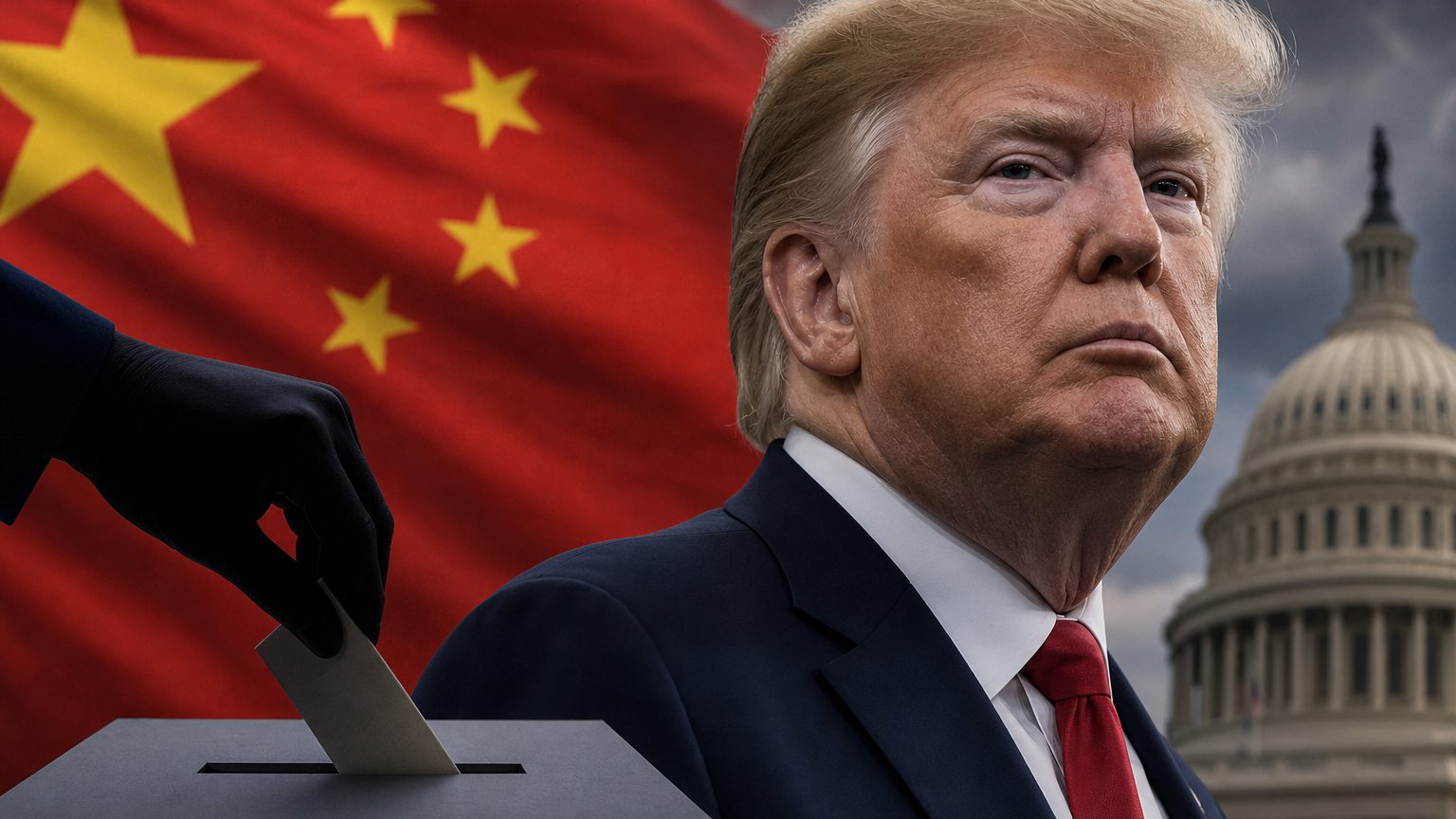
China election meddling claims were back at the center of US politics Thursday after President Donald Trump used a White House address to accuse Beijing of interfering in the 2020 election and to question the security of American voting systems. He spoke in primetime, three months before the midterm elections that will help determine control of Congress for the rest of his presidency.
During the half-hour speech, Trump said he had declassified hundreds of intelligence files that, in his view, supported his claim that China tried to tilt the race in Joe Biden’s favor. He also alleged that American voting systems have “shocking vulnerabilities” and said foreign powers, including Russia, China and Iran, could exploit them. Journalists were not allowed to question him after the remarks.
Trump went further, saying China had illegally obtained 220 million voter files and that data in 18 states had been bought, stolen or hacked. He also accused unnamed officials of failing to alert government leaders or Congress. But he did not present evidence that China changed voting systems or altered election results. Much of the voter information he referenced is publicly available, and the White House released hundreds of pages of intelligence documents during the speech, many of them heavily redacted.
The claims drew an immediate and forceful response from China. The foreign ministry said the allegations were entirely fabricated and described Trump’s remarks as malicious smears that had already been shown to be groundless. Democrats also argued that the president was trying to erode confidence ahead of the November midterms. Senate Democratic leader Chuck Schumer said voters choose their leaders in America, not the other way around, and said Democrats would fight to protect free access to the ballot.
Trump’s comments run against earlier US intelligence conclusions. A 2021 report from the National Intelligence Council said it had high confidence that China did not interfere in the 2020 presidential election. The Cybersecurity and Infrastructure Security Agency later called that election the most secure in American history, and after 2020 Trump and his allies pursued dozens of failed legal challenges without finding evidence of widespread fraud. The White House address also came after a Washington Post-Ipsos poll showed Trump’s approval rating at 37%, with many voters worried about living costs and the war with Iran. The fight over China election meddling claims now feeds directly into the battle over trust in the vote, and that is why ordinary Americans should care.