⚡ LATEST
Trump Targets Polysilicon Imports With 15% Tariff

Trump Targets Polysilicon Imports With 15% Tariff

Trump’s polysilicon tariff adds a 15% import duty on key chip material as Washington moves to shield U.S. producers from China.

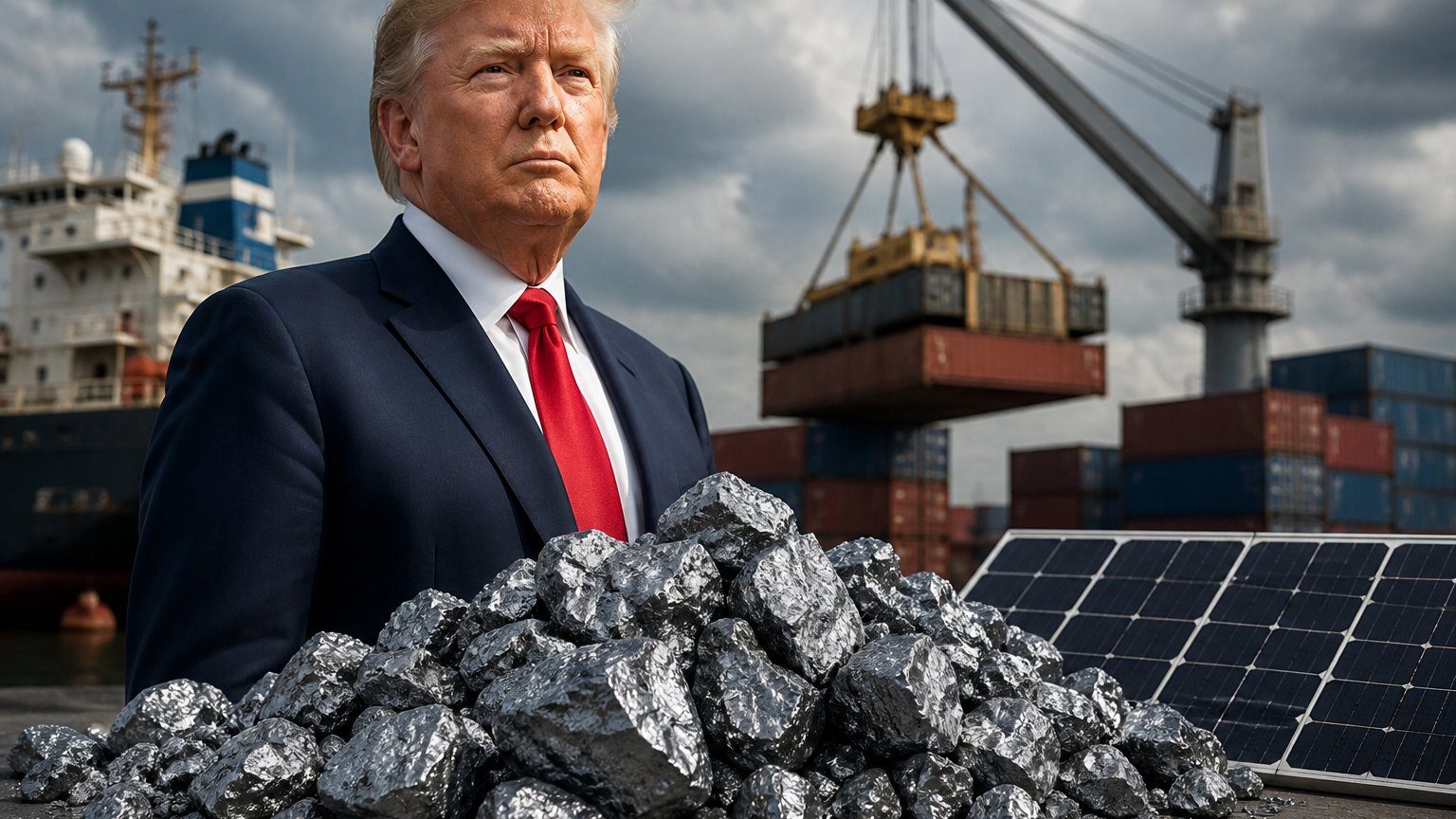
Trump’s polysilicon tariff is now in place after President Donald Trump signed an executive order on Thursday imposing a 15% duty on imported products made from polysilicon, a material used in semiconductors and solar panels. The order also sets minimum import prices for polysilicon and related products, marking a fresh step in the Trump administration’s push to bolster domestic industry.

The move follows a national security investigation into overseas production of the material and is aimed at shielding U.S. manufacturers from growing pressure tied to China’s chip sector. The administration says the policy will help American producers compete more effectively in a market where China has become a dominant force. Trump said he accepted recommendations from Secretary of Commerce Howard Lutnick to establish both the tariff and the price floor.

Trump’s polysilicon tariff also comes with incentives intended to increase production at home. In the order, Trump argued that foreign firms have long undercut U.S. producers in the polysilicon market. He said the material matters for military equipment and electronics, and linked the decline in U.S. output to heavy import dependence.

The president said U.S. share of global polysilicon production has dropped sharply over time, falling from 50% in 2005 to less than 2% in 2024. He also said China holds a near monopoly over polysilicon production. The order is likely to aid Hemlock Semiconductor and Wacker Chemie, the two main domestic producers named in the report.

China’s embassy in Washington struck back, saying the measure “seriously disrupts” trade between the two countries. The embassy said Beijing will take steps to defend its companies and accused Washington of using state power against Chinese businesses. It also said protectionism would not make the United States more competitive.

The decision lands in the middle of a wider economic and strategic struggle between Washington and Beijing. Semiconductor production sits at the center of the race between the two powers to lead artificial intelligence development, making materials like polysilicon far more than a trade issue.

American officials have already moved to restrict imports of other Chinese tech products, including drones and humanoid robots. That broader pattern shows how the fight over advanced technology supply chains is widening, with tariffs and other trade barriers becoming a central tool. The takeaway for readers is simple: the U.S.-China technology battle is spreading deeper into the materials that power chips, solar panels, and military hardware.

Frequently asked questions

What did Trump order on polysilicon?
He signed an executive order imposing a 15% tariff on imported products made from Polysilicon. The order also sets minimum import prices for polysilicon and related products.
Why is polysilicon important?
Polysilicon is used in Semiconductors and solar panels, and Trump said it is also critical for military equipment and electronics.
How did China respond?
China’s embassy in Washington said the move seriously disrupts trade and said Beijing will act to protect its companies. It accused Washington of abusing state power against Chinese businesses.
Which U.S. companies could benefit?
The order is likely to benefit Hemlock Semiconductor and Wacker Chemie, identified as the main domestic producers of Polysilicon.
Full coverage: Donald Trump
GAO Questions Doge’s $110B Savings Claims
Up Next · in Politics

GAO Questions Doge’s $110B Savings Claims

3 min read Continue reading

More from World

View all →
📨

Never Miss a Story

Get the headlines that matter delivered straight to your inbox.