US strikes on Iran entered a seventh night as Tehran retaliated across the region and Kuwait reported damage to a power and water facility.
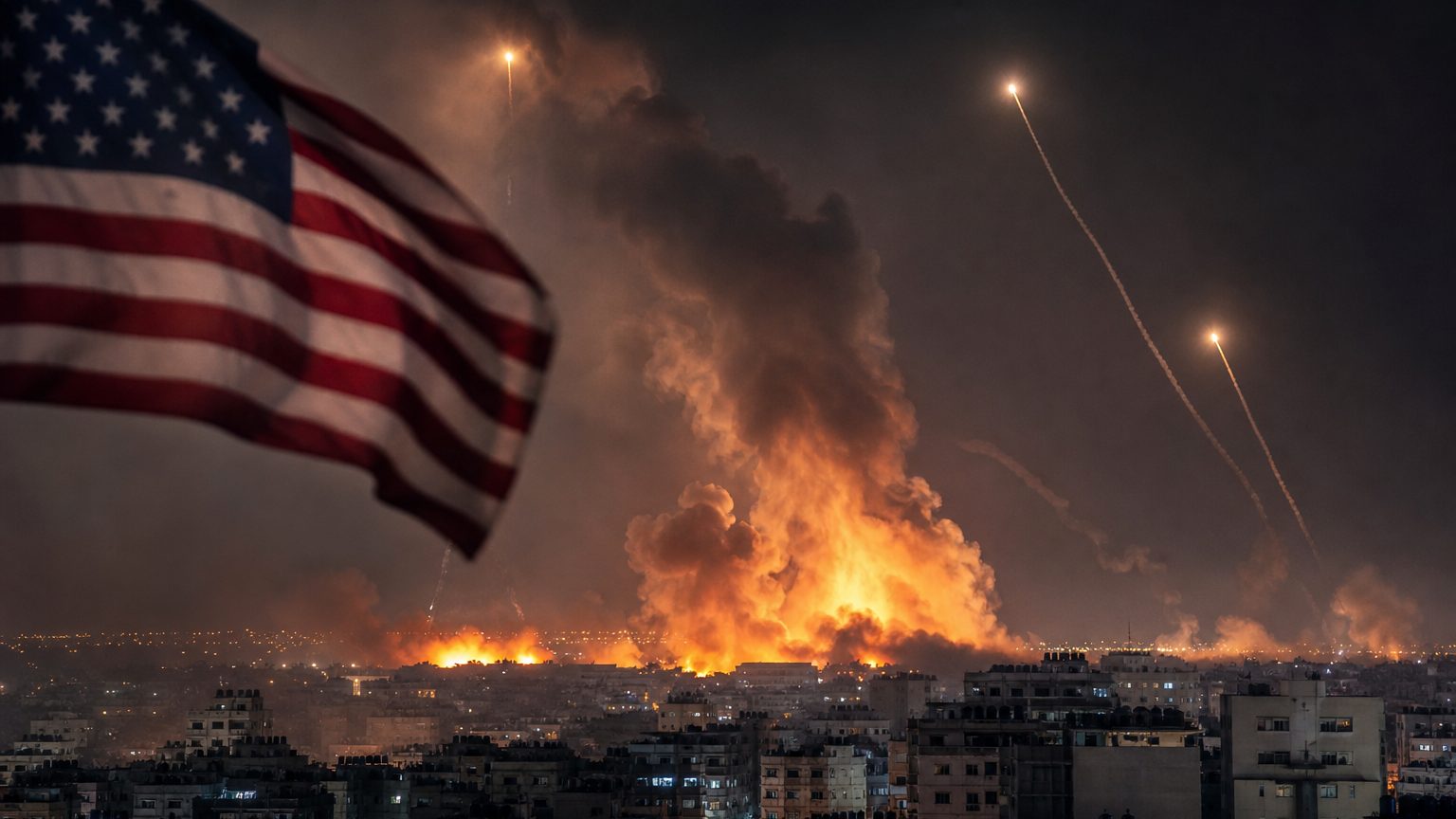
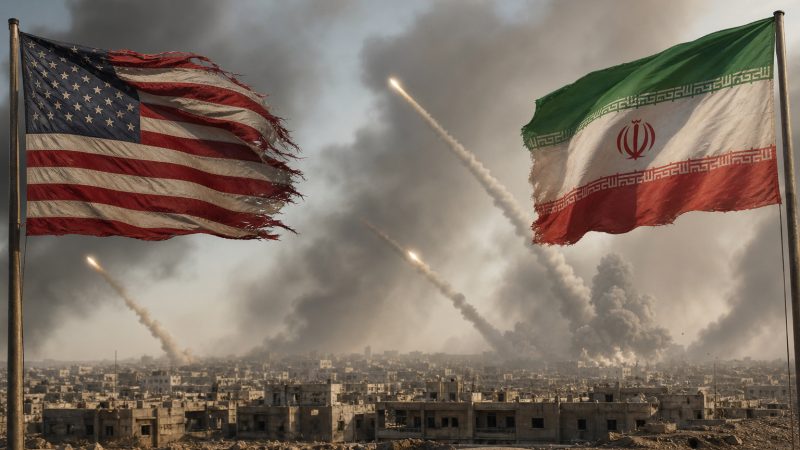
US strikes on Iran continued for a seventh straight night after President Donald Trump declared that a temporary ceasefire agreement was over. US Central Command said American forces targeted Iranian surveillance sites, military supply infrastructure, underground weapons storage facilities and maritime capabilities. Iran responded by launching attacks toward US allies across the region, according to statements from Tehran and regional governments.
Centcom said the latest American operation ended at 9:30 p.m. Eastern time after several hours of strikes. The command said fighter jets, drones, warships and other military assets took part. Iranian state media reported explosions in Yazd, on Qeshm Island and in Bandar Abbas, a port near the Strait of Hormuz. The United States also said it destroyed a control tower at the port of Chabahar. Defense Secretary Pete Hegseth shared an image showing the structure collapsing, while Centcom described it as part of an Islamic Revolutionary Guard Corps maritime surveillance network.
Kuwait said a hostile attack hit another electricity and water distillation facility, one day after a similar incident. The country’s electricity and water ministry reported a fire in part of the plant and said some power-generating units had been taken out of service. Jordan’s military said its defenses intercepted 10 Iranian missiles that entered its airspace overnight, with no damage reported. Bahrain also said its air defenses stopped Iranian attacks.
Iran’s armed forces claimed Friday that they had attacked several US military facilities in Kuwait, Bahrain, Jordan and, for the first time, Syria. Washington denied that account. Sources told CBS News, the BBC’s US partner, that several American service members were injured in Iranian attacks on two bases in Jordan during the past week. The US military separately rejected a Fars news agency report that two oil tankers exploded and burned while crossing an allegedly mined route south of the Strait of Hormuz.
The United States and Iran had agreed in June to halt fighting so negotiations could proceed. The ceasefire was largely followed, although Iran reportedly attacked oil tankers in an effort to make ships obtain Tehran’s approval before crossing the Strait of Hormuz. Those incidents were followed by American strikes. After talks appeared to stall, Trump ended the ceasefire last week. Since then, US strikes on Iran have resumed, and Washington has restored a naval blockade of Iranian ports. Iran has declared the strait closed, bringing most traffic through the key waterway to a halt.
The Strait of Hormuz previously carried one-fifth of the world’s oil and liquefied natural gas, and International Energy Agency chief Fatih Birol has raised concerns about global energy supplies. Washington also denied Iranian allegations that US forces struck civilian sites, including bridges, a train station and an airport. However, BBC Verify and BBC Persian confirmed footage showing damage to Gariveh Bridge, and authorities in Hormozgan province said seven people were killed in the attacks. A White House spokesperson maintained that US operations had targeted military sites, including military logistics infrastructure. The takeaway for Americans is that continued fighting around a major global energy route could affect US troops, regional security and energy supplies.