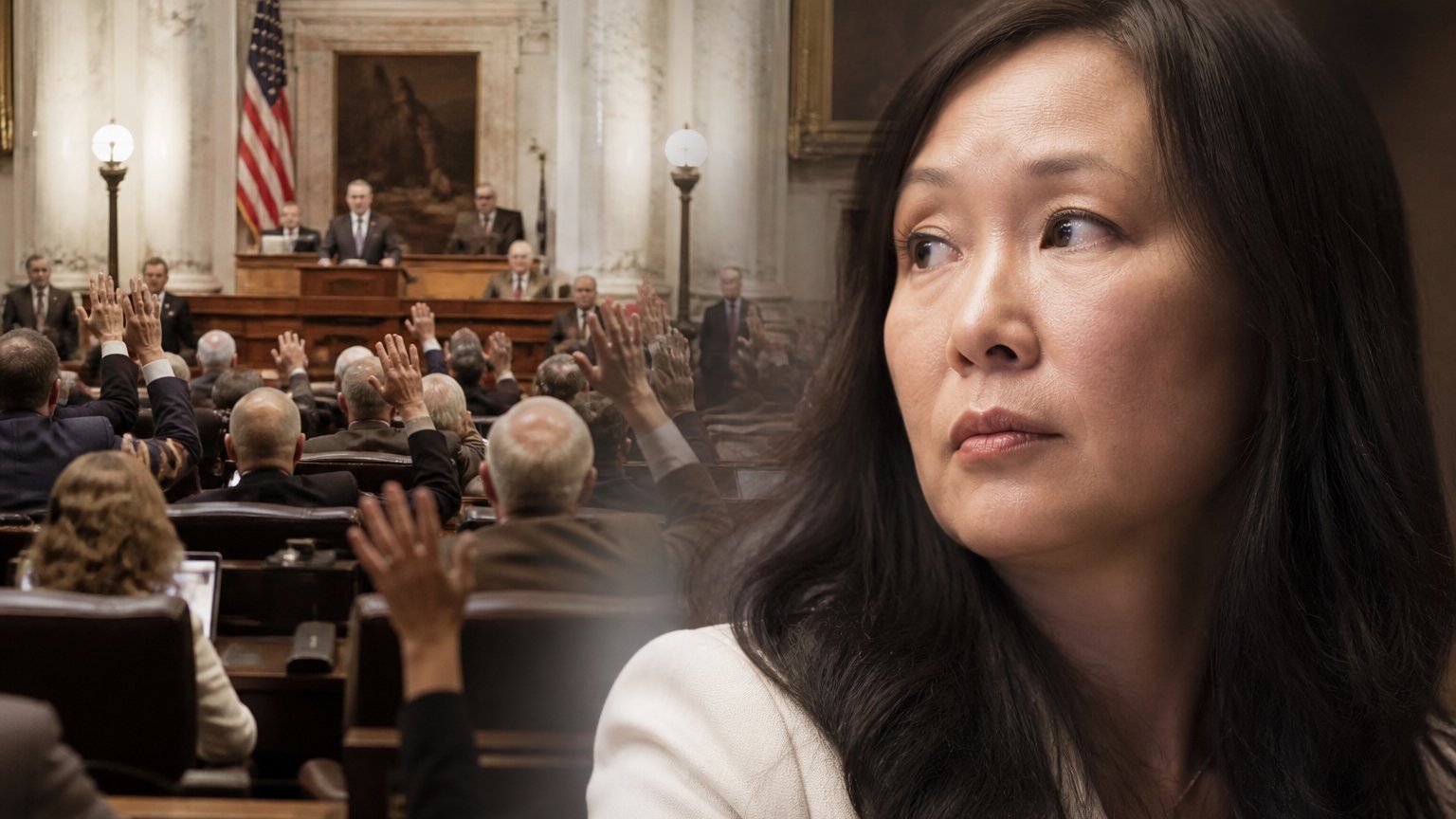
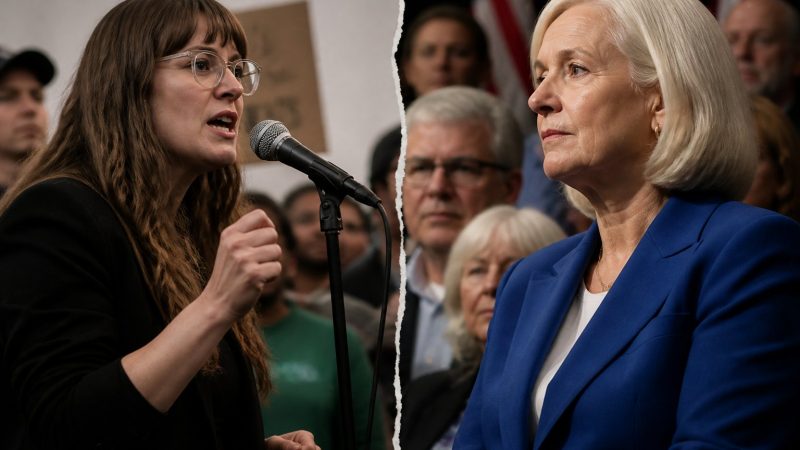
Wisconsin anti-grooming law debate put Francesca Hong under scrutiny after she voted against a measure passed in response to a teacher’s misconduct case.
Wisconsin anti-grooming law politics came into sharper focus after state lawmaker Francesca Hong voted against a measure that was passed in response to a former Kenosha teacher’s conduct toward a 14-year-old student. Hong was one of only six lawmakers in the Wisconsin Legislature to oppose the bill, even as the state moved to tighten penalties tied to grooming behavior aimed at children.
The law bars adults from engaging in a pattern of conduct intended to condition, seduce, solicit, lure or entice a child into sexual activity or pornography. It was written after the case of former Kenosha school teacher Christian Enwright, who was convicted on misdemeanor counts tied to his pursuit of a relationship with the student. A school district investigator described his conduct as “classic grooming behavior,” saying he preyed on a vulnerable female student while posing as a mentor.
According to the case details, Enwright started contacting the minor on Snapchat in June 2023 and exchanged more than 600 messages with her. The messages included sexualized remarks about her appearance and photos of himself in bed without a shirt. School employees had privately raised concerns about his interactions with female students, and he had a reputation for giving “long hugs,” according to the Cap Times. The district’s human resources team later received an anonymous tip in February 2024, leading to his arrest, charges and firing three months later.
Prosecutors said they had trouble building a felony case because Enwright never had sexual contact with the girl and the photos he sent or requested were not explicit enough under state law. He ultimately pleaded guilty in April 2025 to 15 misdemeanor counts of disorderly conduct and was sentenced in July 2025 to 15 months in jail and three years of probation. The Wisconsin anti-grooming law was part of the legislative response to that case, with the Assembly approving it 93-6 and the state Senate passing it by voice vote.
“Wisconsin anti-grooming law debate put Francesca Hong under scrutiny after she voted against a measure passed in response to a teacher’s misconduct case.”
Hong’s vote stands out because she is now the leading Democratic candidate for governor ahead of Tuesday’s primary. Her campaign did not immediately respond to requests for comment. Some lawmakers who opposed the bill said they viewed it as redundant under existing state law, but Hong’s own reasoning was not made public. The issue also revived attention to Hong’s past comments on policing, including a 2021 social media post saying, “Police exist to uphold white supremacy. Defund then abolish. Reform can’t be an option,” a position she has since backed away from, and her later remark that she had once been aiming for sports journalism before college and learned that people can have bad takes online.
The new law was not the end of the matter. After Gov. Tony Evers signed it in March, prosecutors later used it in a separate case against 36-year-old Joseph W. Cook of Janesville, who was charged with preying on a cognitively impaired girl. Authorities said the two used Signal for nearly three years and that the girl told investigators Cook planned for her to move in with him when she turned 18.
Police also said a search of Cook’s home turned up multiple knives and machetes, boxes of ammunition and a Glock handgun with a laser attachment. The case shows why the legislature moved quickly after the Enwright scandal and why the anti-grooming law is likely to remain part of Wisconsin’s political fight as Hong seeks higher office. For American readers, the bigger question is how states set clear lines to protect children when older laws leave gaps prosecutors cannot easily cross.
Should Hong win the Democratic primary, she is expected to face Rep. Tom Tiffany, a Republican, in the general election.
Frequently asked questions
Why did Wisconsin pass the anti-grooming law?
Lawmakers moved after the case of former Kenosha teacher Christian Enwright, whose conduct toward a 14-year-old student sparked outrage. The bill was designed to target adults who use a pattern of behavior to lure children into sexual activity or pornography.
How did Christian Enwright’s case unfold?
He began messaging the student on Snapchat in June 2023 and exchanged more than 600 messages with her. He later pleaded guilty to 15 misdemeanor counts of disorderly conduct and received jail time and probation.
What happened after Governor Tony Evers signed the bill?
Prosecutors used it in a case against 36-year-old Joseph W. Cook of Janesville. He was charged with preying on a cognitively impaired girl, and authorities said Signal messages and a search of his home became part of the case.
What is Francesca Hong’s current political position?
Hong is the leading Democratic candidate for Wisconsin governor ahead of Tuesday’s primary. Her campaign did not immediately respond to questions about her vote against the bill.
We value your privacy 🍪We use cookies for essential features and, if you allow it, to send you a notification whenever we publish a new story. See our Privacy Policy.
📨
Never Miss a Story
Get the headlines that matter delivered straight to your inbox.
📱 On iPhone: tap the Share icon, choose “Add to Home Screen”, then open TheTrueDefender from your Home Screen and tap 🔔 to turn on notifications. (Apple only allows notifications for saved web apps.)
🔔
Never miss a breaking storyGet free alerts the moment big US news breaks.
1Tap the ••• menu at the bottom of the screen, then tap Share(in Safari, just tap Share in the bottom bar directly)2Scroll down the menu and tap Add to Home Screen3Tap Add in the top-right corner4Open TheTrueDefender from your Home Screen, then tap 🔔 Subscribe and choose Allow
📱 Add TheTrueDefender to your home screen for one-tap access.