⚡ LATEST
Wyden Data Center Tax Plan Sparks Backlash

Wyden Data Center Tax Plan Sparks Backlash

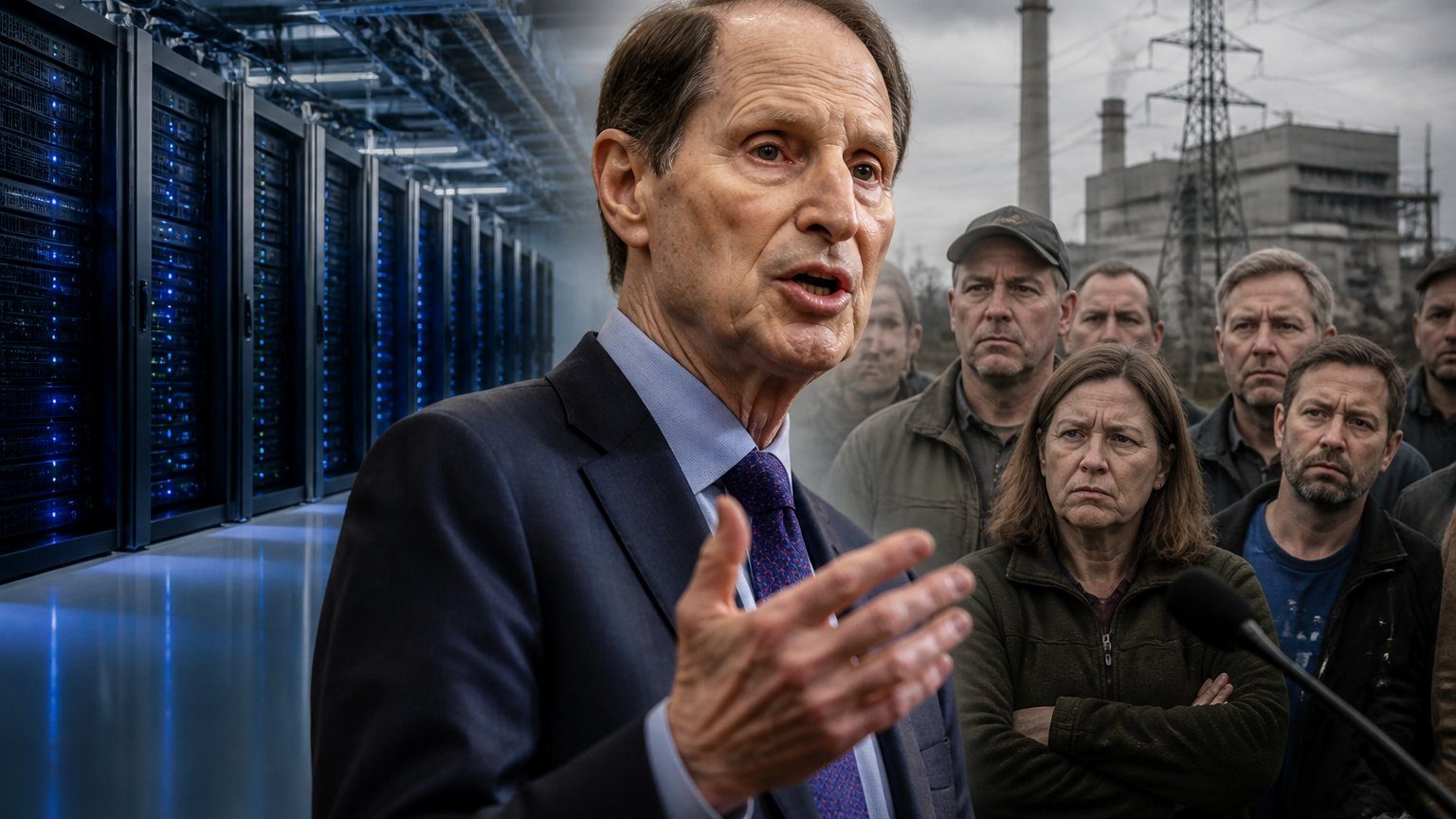
Sen. Ron Wyden’s data center tax proposal is drawing fire from critics who warn it could raise costs for internet services Americans use every day.

Sen. Ron Wyden’s data center tax proposal is facing sharp criticism after the Oregon Democrat outlined a plan that opponents say could function like a broad internet tax for millions of Americans. Wyden, the top Democrat on the Senate Finance Committee, released a white paper last week calling for an end to tax incentives for data centers and for a new ongoing tax on those facilities operating in the United States.

Critics say the cost would not stop with the companies that own the centers. Americans for Tax Reform director of innovation technology James Erwin said the burden would ultimately fall on ordinary users of online services. He argued that the tax would affect email, family photos, small business operations, cloud storage, and social media posts on platforms including Instagram, X, TikTok and Facebook. The group labeled the proposal a “national internet tax.” Wyden’s office did not respond to a request for comment on Monday.

Wyden’s white paper says data centers are difficult to tax because the facilities are widespread and support a wide range of digital services. The proposal describes a data center as a facility that holds electronic equipment used to process, store and transmit digital information, and says the definition is broad enough that carveouts would be needed to avoid pulling in unrelated operations. To address that problem, Wyden suggests excluding “internet infrastructure” from the tax, though the paper does not define the term or spell out exactly what facilities would qualify. The document also suggests that cloud computing would not be exempt.

The tax would not be tied to profits. Instead, Wyden proposes a “low single-digit” annual levy on gross receipts. In his white paper, he points to land use, local power prices and local water use as reasons for the approach. He also says the tax should apply to data centers built in Earth’s orbit, a sign of how broadly he wants the policy considered as artificial intelligence infrastructure expands.


The issue sits at the center of a larger fight over who should pay for the rapid growth of data center construction. These facilities power the digital services that underpin everyday life, from cloud storage to business operations, but they also draw scrutiny over electricity demand and water use. As more companies race to build the infrastructure needed for artificial intelligence, lawmakers are under pressure to balance innovation, local costs and energy reliability.

Wyden’s proposal also lands in the middle of a political clash over how the federal government should treat artificial intelligence. The White House says President Donald Trump is pushing to speed AI development and expand the infrastructure that supports it. White House assistant press secretary Liz Huston said Trump is “cementing American AI dominance over China” while making data centers pay for their own power, water and other utilities. A White House official said the administration has brought together more than 200 utilities, data center developers, cooperatives and state leaders in a Ratepayer Protection Pledge aimed at increasing energy supply and holding down prices.

That approach stands in contrast to Wyden’s tax-first plan and also differs from calls by Sen. Bernie Sanders of Vermont and Rep. Alexandria Ocasio-Cortez of New York for a total moratorium on new data center construction. Wyden’s idea is less sweeping than a shutdown, but it still marks a direct challenge to an industry that has become essential to modern communications and business. Americans will be watching because any tax on data centers could quickly reach the internet services that families and small businesses use every day.

Frequently asked questions

What did Sen. Ron Wyden propose?
He proposed ending tax incentives for Data Centers and imposing an ongoing tax on data centers operating in the United States.
Why are critics objecting to the plan?
They say the cost would likely be passed on to consumers through higher prices for internet-related services and tools.
How would the tax be structured?
Wyden’s plan calls for a low single-digit annual tax on gross receipts, not profits.
How does the White House view the issue?
The White House says President Donald Trump is focused on expanding AI infrastructure while ensuring Data Centers pay for their own power and water.
Full coverage: Donald Trump
Trump cuts childhood vaccine list in new order
Up Next · in Politics

Trump cuts childhood vaccine list in new order

3 min read Continue reading

More from Politics

View all →
📨

Never Miss a Story

Get the headlines that matter delivered straight to your inbox.