⚡ LATEST
California port rules spark fight over costs

California port rules spark fight over costs

Rep. Vince Fong says the California port rules are acting like a hidden climate tax, driving up shipping costs that reach shoppers nationwide.

Rep. Vince Fong is moving to overturn the California port rules he says are driving up costs for families across the country through what he calls a hidden climate tax. The California Republican is pushing legislation aimed at a federal approval that allows the state to enforce the Vessel At Berth regulation, a rule that affects large ships docked at California ports and can trigger steep penalties for noncompliance.

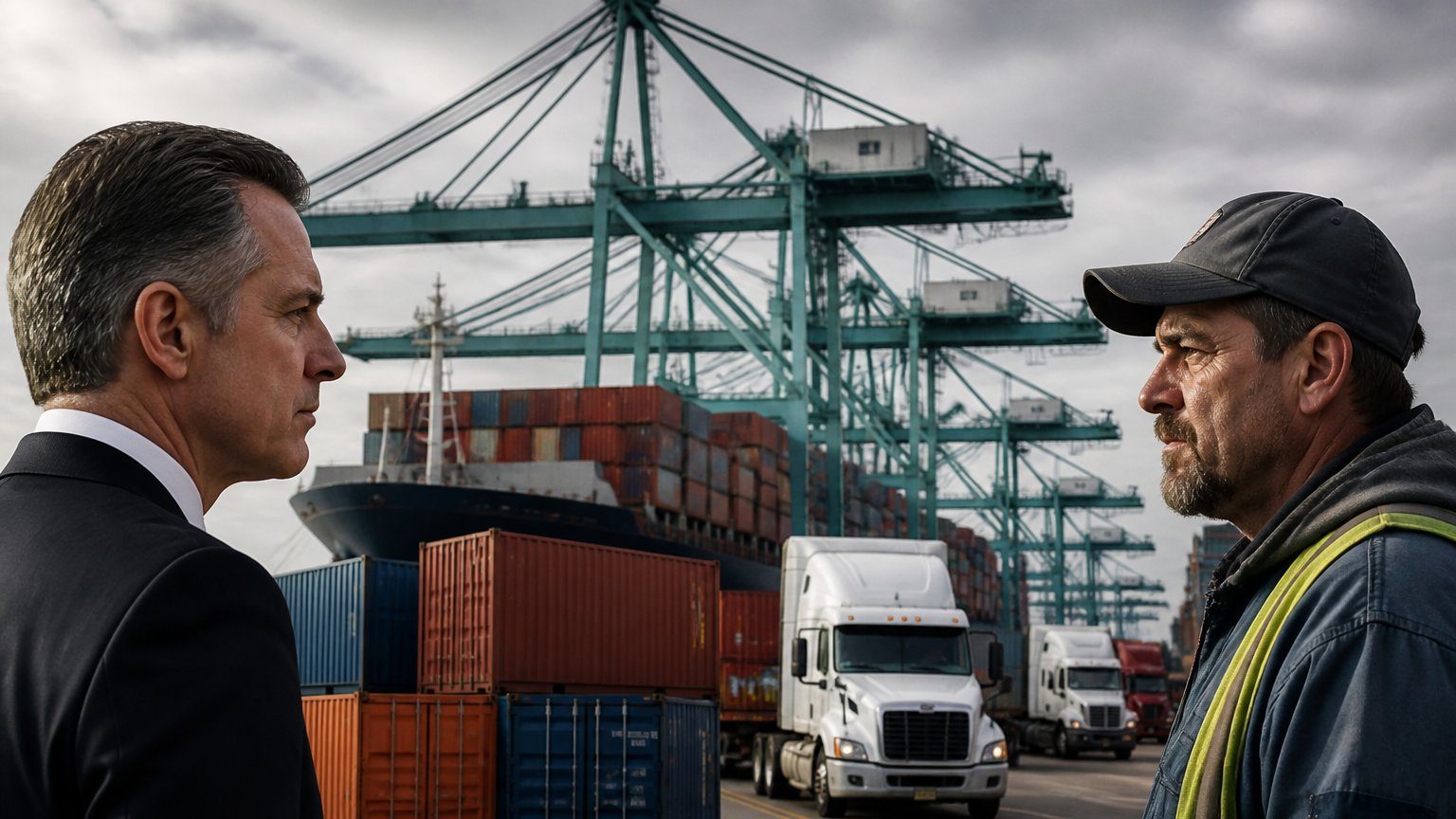
Fong said the impact does not stop at the dock. He argued that shipping companies pass those costs through the supply chain and onto consumers. In an interview with Fox News Digital, he said every ship entering California is facing the added burden and described the rule as a cost that is being spread to Americans buying everyday goods. California ports handle more than 40% of the containers that enter the United States, giving the state’s rules an outsized reach over national commerce.

The regulation was authorized by the Environmental Protection Agency in 2020 during Gov. Gavin Newsom’s tenure. It requires certain large vessels, including cargo ships, to shut off diesel engines and use a state-approved emissions method while docked in California ports. Ships that do not comply can face penalties that Fong said may reach tens of thousands of dollars. California’s Air Resources Board enforces the rule, and the effect, he said, is to raise costs even when the compliance technology or infrastructure is not broadly available.

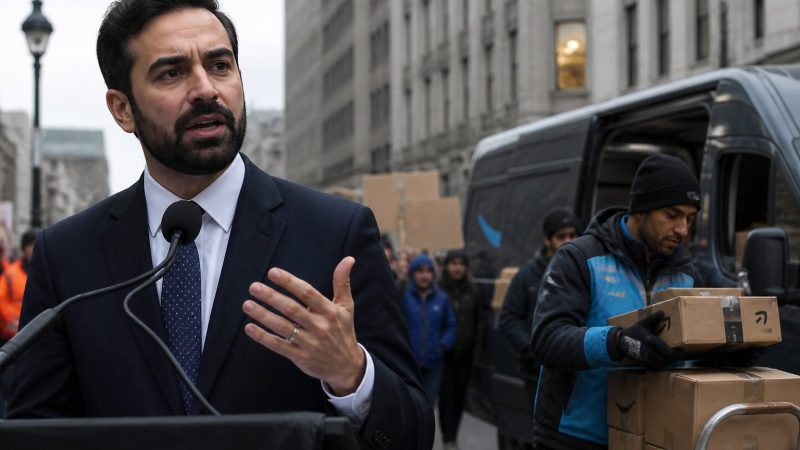
Fong said those higher costs show up in ordinary purchases. He pointed to Amazon orders, inventory for small businesses, grocery store shelves, and gasoline as examples of goods tied to shipping networks that run through ports. In his view, any added expense on that system travels outward and lands with consumers who are already struggling with the cost of living. He said shipping companies have paid hundreds of millions of dollars in penalties in the aggregate.
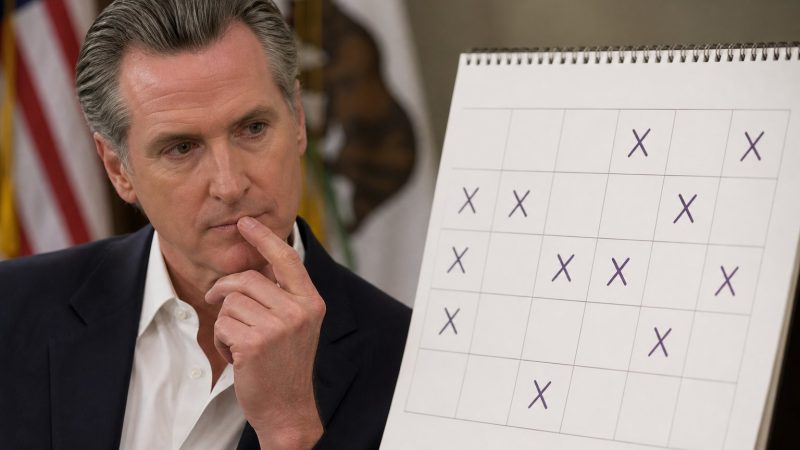

Backing his effort is Sen. Dan Sullivan, R-Alaska, who has introduced a Senate version of the measure. Sullivan told Fox News Digital that families in Alaska end up paying the price when California imposes new mandates. Their challenge is part of a larger political fight over how far states can go in setting environmental standards that affect interstate commerce and national pricing.

The issue also reflects a broader clash between climate policy and affordability. California has long used its size and regulatory power to shape national markets, while critics argue that one state should not be able to impose costs on goods moving across the entire country. With the Port of Los Angeles and the Port of Long Beach consistently ranking among the busiest in the nation, rules affecting those facilities carry far beyond California’s borders.

Fong also warned that leaving the mandate in place could invite other states to seek similar federal permission for their own rules. He said that would make the burden spread even further at a time when Americans are focused on rising prices. The next fight will center on whether Congress or federal regulators allow California to keep using its ports as a climate enforcement point, and that decision could shape shipping costs nationwide. For American consumers, the key question is whether a California port rule becomes another reason everyday goods cost more.

Frequently asked questions

What rule is Rep. Vince Fong targeting?
He is targeting the Vessel At Berth regulation, which was authorized by the Epa and lets California enforce emissions requirements on large ships in port.
Why does Fong say the rule affects Americans outside California?
He says Shipping companies pass penalty costs through the supply chain, raising prices for goods such as groceries, Amazon orders, and gasoline.
How significant are California’s ports to the country?
Fong said California ports process more than 40% of all containers that come into the United States, giving the rule national reach.
Who is backing the effort in the Senate?
Sen. Dan Sullivan, R-Alaska, has introduced a Senate version of the legislation.
Full coverage: California
Newsom Calendar Shows 18 ‘No Official Business’ Days
Up Next · in Politics

Newsom Calendar Shows 18 ‘No Official Business’ Days

4 min read Continue reading

More from Politics

View all →
📨

Never Miss a Story

Get the headlines that matter delivered straight to your inbox.