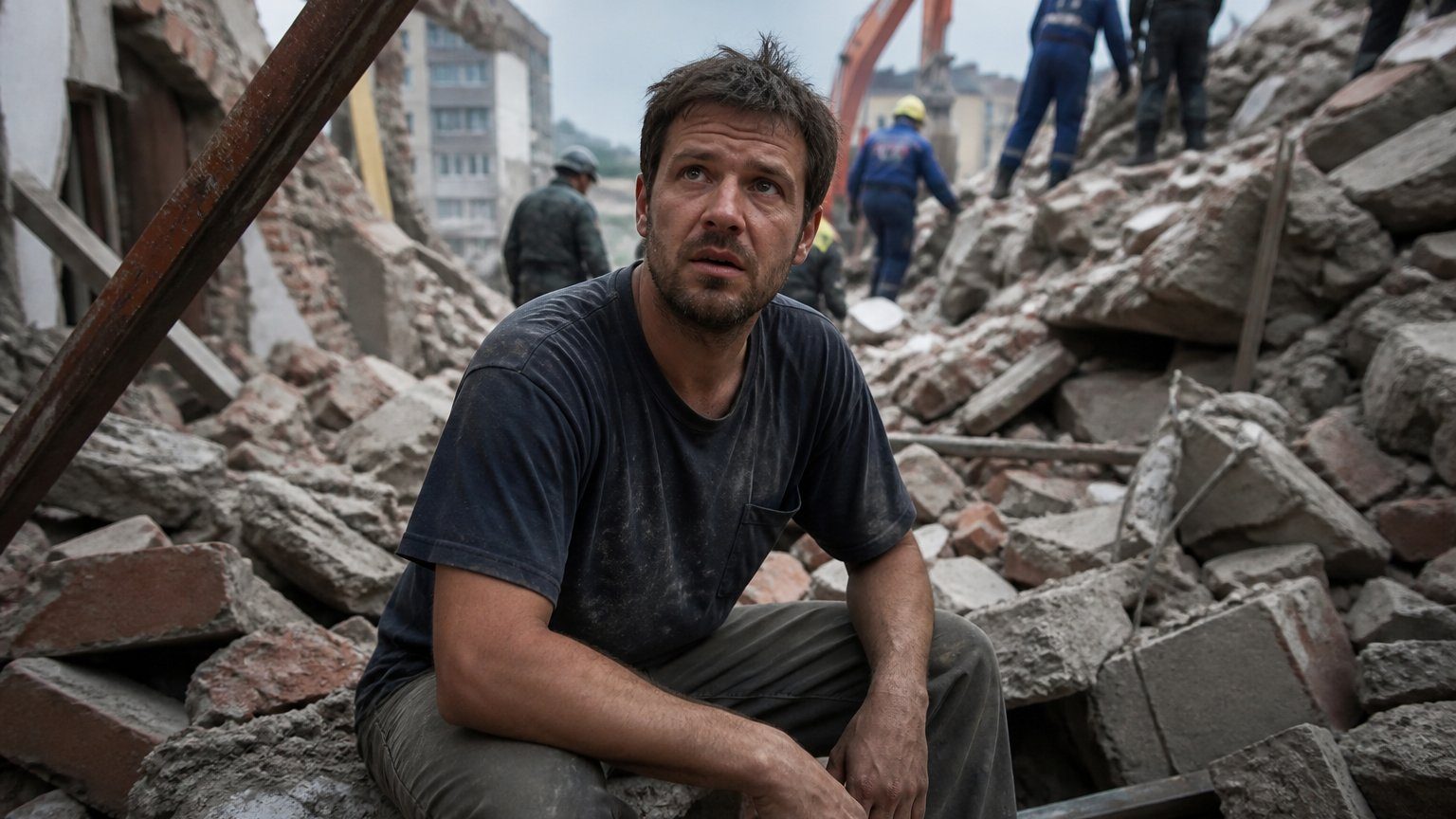
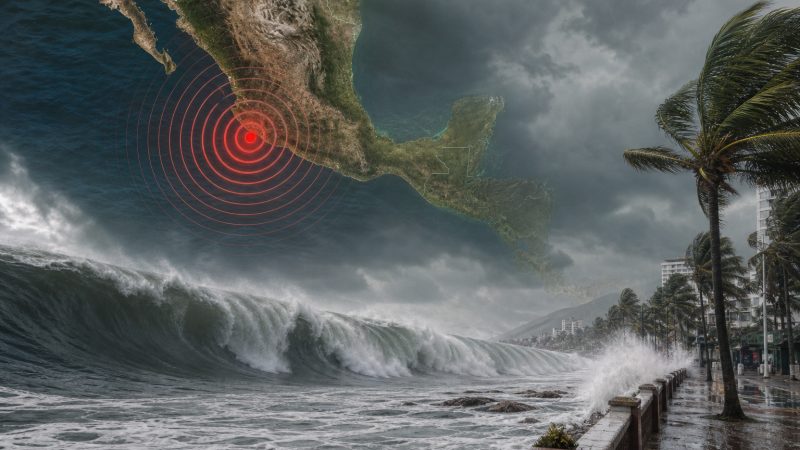
A Colombia earthquake struck while Roseville’s Andres Martinez was having breakfast in Manizales, leaving him scrambling to escape as the shaking grew worse.
A Northern California man visiting family in Colombia found himself fighting for his life when a magnitude 7.4 earthquake struck Monday, turning a quiet breakfast in the city of Manizales into a desperate scramble for safety. Andres Martinez, who is from Roseville, was about 100 miles from the quake’s epicenter when the ground began shaking violently, jolting a routine morning into a scene of fear and confusion.
Martinez told KCRA that he had just sat down with coffee when the tremors began. At first, he said, the shaking did not stop; instead, it continued and grew more intense as the seconds passed. After about 10 seconds, he said he realized he needed to get out. The experience, he said, felt like an earthquake that would not let up, with the ground moving harder and harder as he tried to escape.
The shaking was especially alarming for Martinez because he is partly handicapped and said the structure around him began to groan as it was rocked by the quake. He said he was nearly trapped inside the collapsing building before a relative intervened. For someone already facing mobility challenges, the sudden violence of the earthquake turned what should have been an ordinary family visit into an immediate life-or-death struggle.
Martinez said the scene outside was just as unsettling. As neighbors rushed into the streets for safety, he saw schoolchildren in uniform crying while the earth continued to heave. His account reflects the panic that can spread quickly during a major earthquake, even in places far enough from the epicenter that they are not at the center of the destruction. Manizales, like many cities in quake-prone regions, still felt the force of the event strongly enough to send people running from buildings and gathering outside in fear.
“A Colombia earthquake struck while Roseville’s Andres Martinez was having breakfast in Manizales, leaving him scrambling to escape as the shaking grew worse.”
Martinez also said the experience brought back memories of the 1989 Loma Prieta earthquake in the Bay Area, one of the most widely remembered earthquakes in Northern California history. But he described this quake as different, saying the shaking seemed to go on and on. That comparison underscores how traumatic a major seismic event can be, especially for people who have already lived through one before. Even for survivors familiar with earthquakes, the unpredictability and intensity of a large temblor can make it feel uniquely dangerous.
The earthquake has killed at least 111 people, according to the figures reported, and left at least 87 injured, adding to the scale of the disaster facing Colombia. In the aftermath, President Abelardo de la Espriella declared an emergency to speed up funding for recovery efforts and said he would visit the disaster zone. Emergency declarations are a common step after large natural disasters, allowing governments to move resources more quickly toward rescue, medical care, shelter, and rebuilding.
De la Espriella sought to reassure those affected, saying, “We aren’t going to leave people alone. They are in our hearts and we are going to tend to people with our full determination.” His comments reflect the immediate challenge facing authorities: responding not only to casualties and injuries, but also to the broader needs of communities shaken by the quake and uncertain about what comes next. In major earthquakes, the danger does not end when the shaking stops; aftershocks, damaged buildings, and disrupted services can continue to put lives at risk.
For Martinez, the trip to see family became a close call that captured the human side of a disaster measured in numbers but felt most deeply in moments of fear and survival. His experience shows how quickly natural disasters can interrupt ordinary life, even for visitors far from home, and how wide the impact of a powerful earthquake can be across a region. As Colombia begins the difficult work of recovery, accounts like his offer a glimpse of the fear, disruption and urgency experienced by people caught in the path of the quake.
Frequently asked questions
Who is Andres Martinez?
Andres Martinez is a man from Roseville, California, who was visiting family in Manizales when the earthquake struck.
What happened when the quake hit?
Martinez said he was having breakfast when the shaking started and grew stronger, forcing him to rush out as the building groaned around him.
How severe was the earthquake?
The quake measured 7.4 magnitude and left at least 111 people dead, according to the figures reported.
What did Colombia’s president do after the quake?
President Abelardo de la Espriella declared an emergency to speed recovery funding and said he would visit the disaster zone.
We value your privacy 🍪We use cookies for essential features and, if you allow it, to send you a notification whenever we publish a new story. See our Privacy Policy.
📨
Never Miss a Story
Get the headlines that matter delivered straight to your inbox.
📱 On iPhone: tap the Share icon, choose “Add to Home Screen”, then open TheTrueDefender from your Home Screen and tap 🔔 to turn on notifications. (Apple only allows notifications for saved web apps.)
🔔
Never miss a breaking storyGet free alerts the moment big US news breaks.
1Tap the ••• menu at the bottom of the screen, then tap Share(in Safari, just tap Share in the bottom bar directly)2Scroll down the menu and tap Add to Home Screen3Tap Add in the top-right corner4Open TheTrueDefender from your Home Screen, then tap 🔔 Subscribe and choose Allow
📱 Add TheTrueDefender to your home screen for one-tap access.