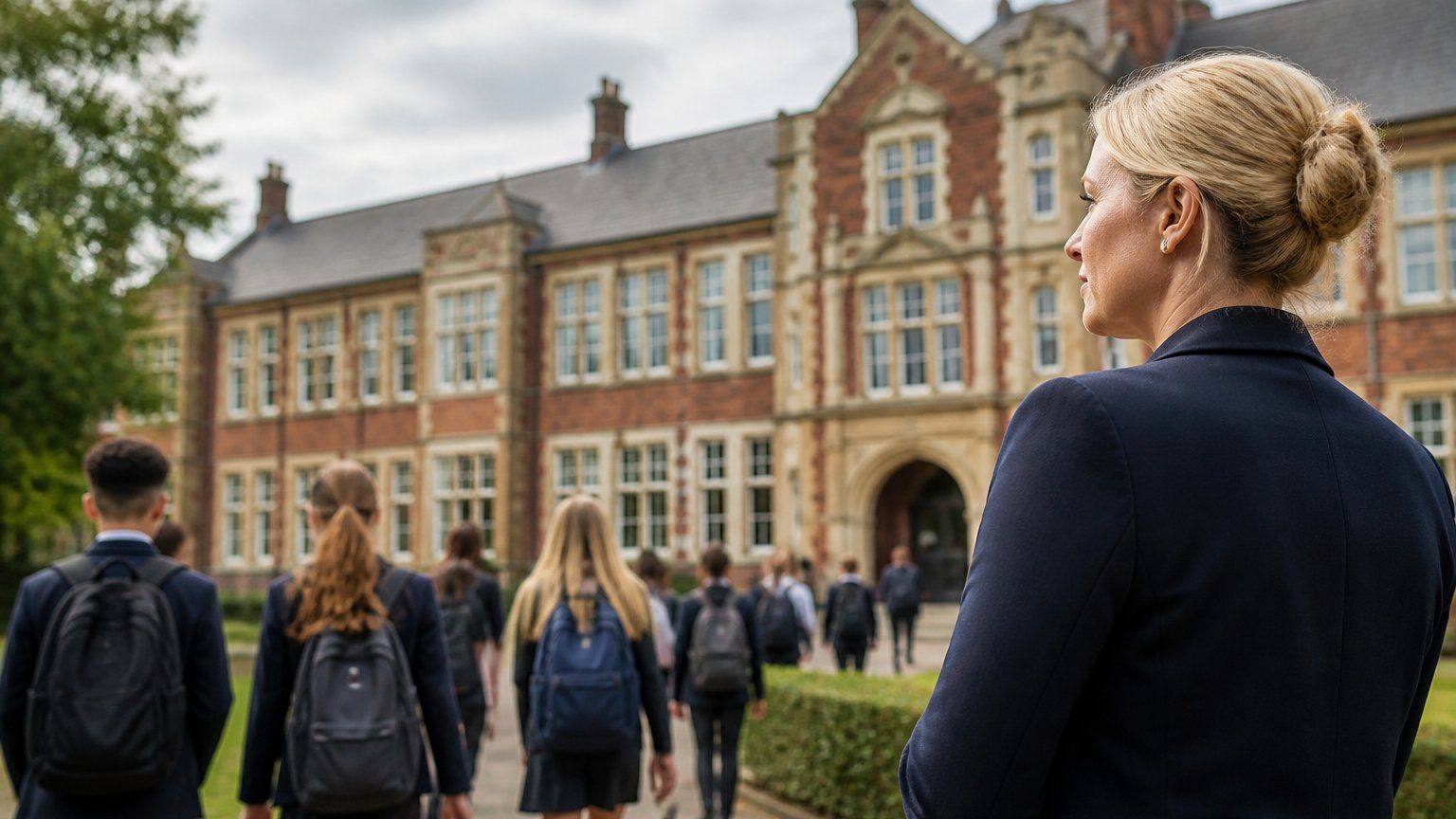
England schools will get their own attendance targets as officials respond to absence rates that remain above pre-pandemic levels.
England’s school attendance targets are about to change. Every mainstream state school in England will be assigned its own pupil attendance goal, as the government moves to push absence rates back toward pre-pandemic levels.
The Department for Education confirmed the new approach on Thursday, alongside official figures showing attendance in English schools remains well below the levels that were common before Covid-19. The data suggested an overall attendance rate of 93% for the 2025/26 academic year, a slight drop from the year before. Nearly one in five pupils missed at least 10% of school, which meets the threshold for persistent absence.
Education minister Paul Waugh said the targets will reflect each school’s local circumstances, but argued that every school must take part in improving attendance. He also said schools will be encouraged to strengthen Friday clubs and activities, after describing the end of the week as a weak point for attendance.
The new system builds on a trial carried out last year in which many mainstream schools were given school-specific attendance goals. This time, the targets will apply to every mainstream state school in England and will be monitored for the first time. The BBC understands there will be no immediate penalties for schools that miss the goals, but officials are expected to contact schools that fall behind and point them toward guidance, or toward local behaviour and attendance hubs.
“England schools will get their own attendance targets as officials respond to absence rates that remain above pre-pandemic levels.”
The figures underline how far schools still have to go. Before the pandemic, mainstream state schools in England were regularly above 95% attendance. Since then, schools have struggled to recover. Persistent absence has also climbed sharply, rising from about 10% in 2018/19 to 19% in 2025/26.
Absence is not falling evenly across the system. Pupils receiving free school meals and those with special educational needs and disabilities were still more likely to miss school than their peers. That means the challenge is tied not just to individual family decisions, but to wider pressures that schools cannot solve on their own.
Waugh said schools will also get more data tools over the coming year so they can track individual attendance patterns earlier and step in sooner when pupils begin drifting away. He said he wants schools to use that information to act more quickly, rather than waiting until absence becomes entrenched. He also said he would look into why illness-related absences rise so often at the end of the week.
Paul Whiteman, general secretary of the NAHT schools leaders’ union, said the latest numbers show how difficult it has been to bring absence back down. He said schools already do more than their share to encourage attendance, but added that government targets alone will not solve a problem rooted in illness, mental health, poverty and unmet special educational needs. He pointed to the government’s upcoming SEND reforms as part of the broader answer. The latest data also showed nearly 12% of pupils missed school in the week beginning Monday 22 June, when an exceptional heatwave affected parts of England and pushed absences to the highest level of the year. For American readers, the broader lesson is simple: when attendance slips, the damage reaches beyond classrooms and into the long-term prospects of children and communities.
Frequently asked questions
What is changing for schools in England?
Every mainstream state school will receive its own pupil attendance target. The Department for Education will monitor those targets for the first time.
Will schools be punished right away if they miss their targets?
No immediate penalties are planned. Officials are expected to contact schools that fall off track and point them toward guidance or local support hubs.
How serious is the attendance problem?
The government said overall attendance was 93% for 2025/26, and nearly one in five pupils missed at least 10% of school.
Which pupils are most likely to miss school?
Pupils on free school meals and those with Special Educational Needs and disabilities were still more likely to be absent than their peers.
We value your privacy 🍪We use cookies for essential features and, if you allow it, to send you a notification whenever we publish a new story. See our Privacy Policy.
📨
Never Miss a Story
Get the headlines that matter delivered straight to your inbox.
📱 On iPhone: tap the Share icon, choose “Add to Home Screen”, then open TheTrueDefender from your Home Screen and tap 🔔 to turn on notifications. (Apple only allows notifications for saved web apps.)
🔔
Never miss a breaking storyGet free alerts the moment big US news breaks.
1Tap the ••• menu at the bottom of the screen, then tap Share(in Safari, just tap Share in the bottom bar directly)2Scroll down the menu and tap Add to Home Screen3Tap Add in the top-right corner4Open TheTrueDefender from your Home Screen, then tap 🔔 Subscribe and choose Allow
📱 Add TheTrueDefender to your home screen for one-tap access.