England’s walk-in mental health centres plan is set to place specialist help closer to home, with the government promising a network of nearly 200 community services and mental health emergency units by 2029.
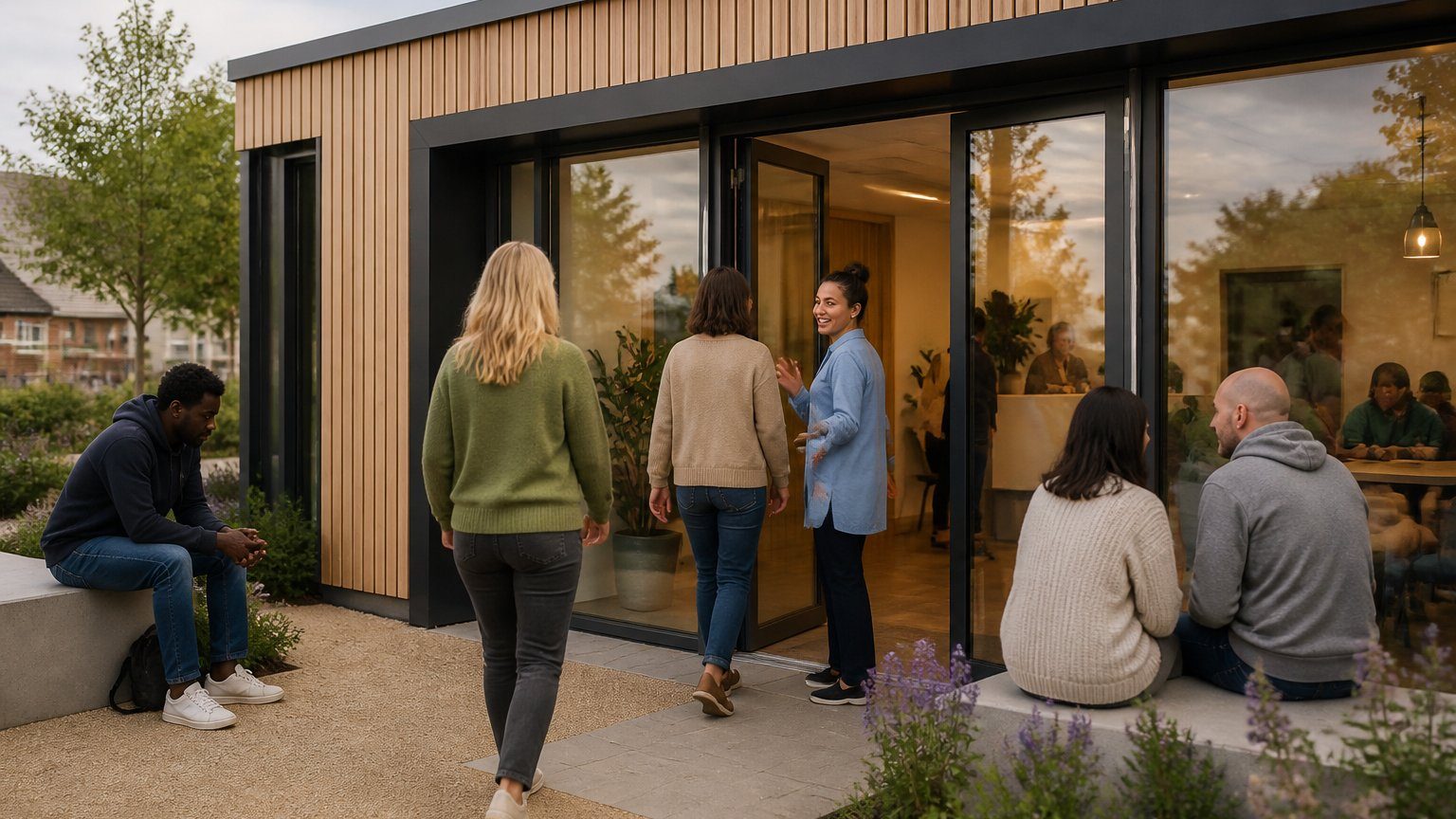
Ministers say the new system is designed for people in crisis or severe distress who need immediate support but cannot find the right help elsewhere. The plan includes 100 new community mental health centres, many of them in high street locations such as banks and libraries, alongside 59 dedicated mental health A&Es. Another 23 of those emergency units are already operating. Some of the new centres will be built in fresh facilities, while others will be housed in existing buildings.
The government says the hubs will bring together nurses, therapists, and support workers under one roof. Many are expected to open seven days a week, and some will include short-stay beds. Officials say the approach builds on pilot programmes run in recent years and is meant to reduce the number of people turning up at overcrowded A&E departments when their mental health reaches crisis point.
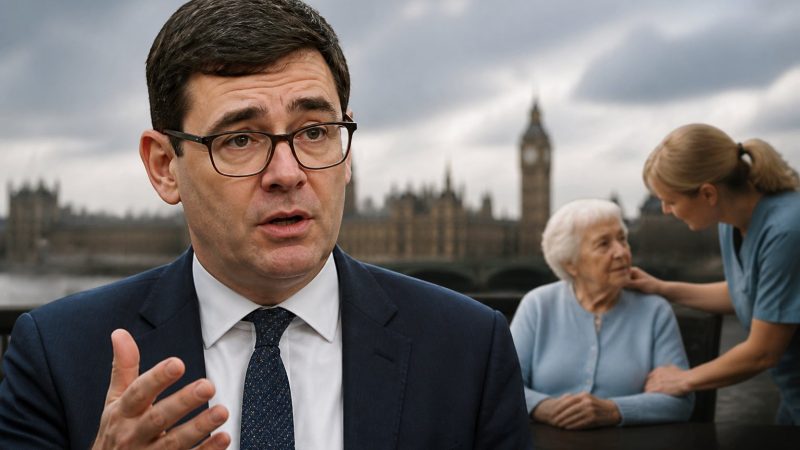
Prime Minister Andy Burnham said no one should be left to cope alone and argued that too many people wait months for help before ending up at a busy emergency department. He said the new centres would act as a lifeline, bring NHS services nearer to communities, and help people get support before problems become more serious. Health Secretary Yvette Cooper said the plan was intended to cut waiting times, prevent more people from reaching crisis, and build an NHS that is there when people need it.
The announcement comes against a wider backdrop of growing pressure on mental health services. The government says one in five people struggle with their mental health and that thousands of people arrive at A&E when they cannot get help any other way. By creating local walk-in options, ministers are trying to shift care away from last-resort emergency rooms and toward earlier intervention.