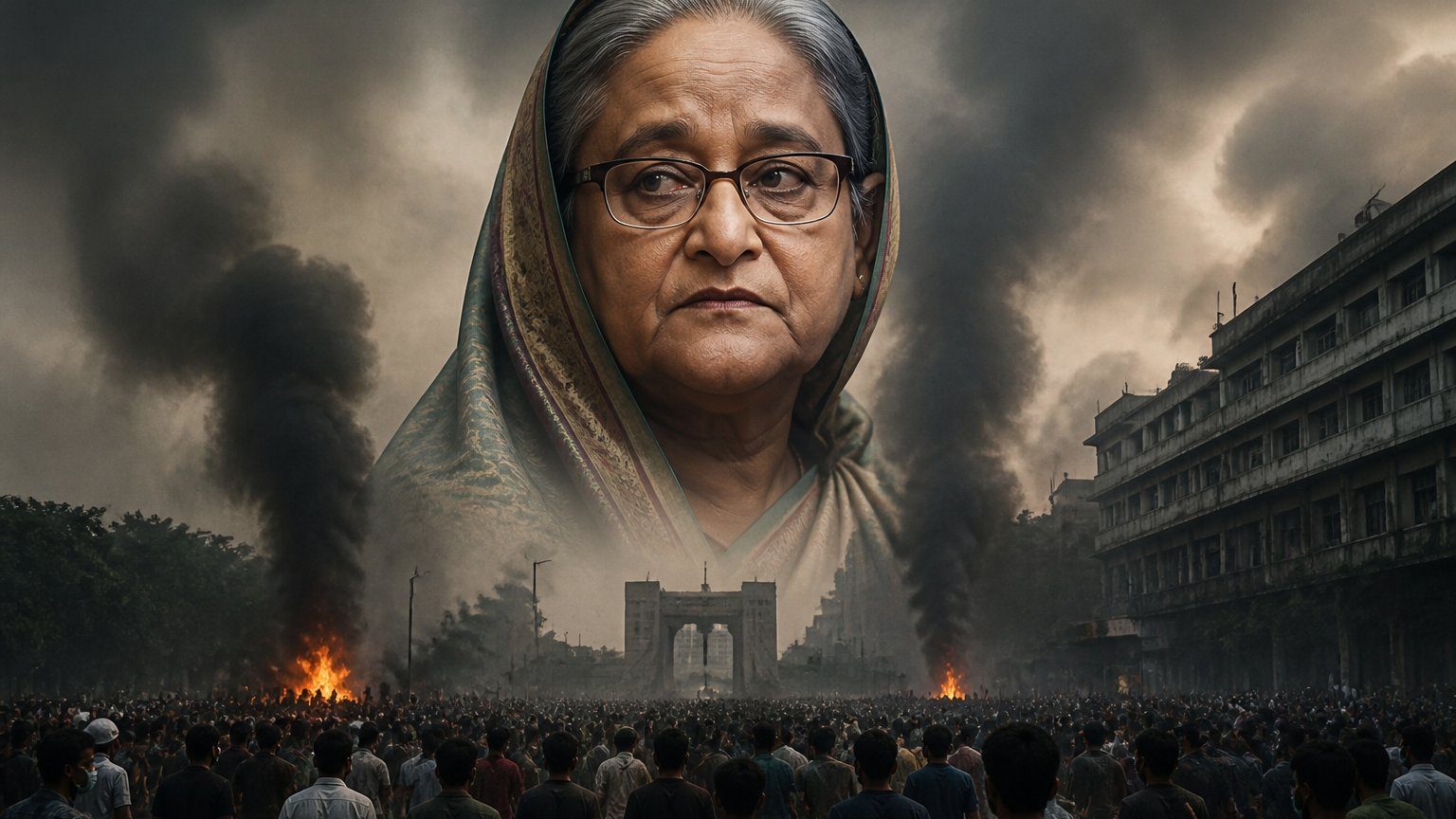
Sheikh Hasina’s Bangladesh return claim is a bold one, and it lands at a dangerous moment for a country still living with the fallout from the 2024 crackdown that drove her from office. When a former leader says she plans to come back after being sentenced to death, that is not routine political chatter. It is a direct challenge to the authority of the people now running Bangladesh and a sign that the country’s political crisis is far from over.
According to the context provided, Hasina says she will return to Bangladesh in December despite the death sentence handed down over the crackdown. That is the core fact here, and it matters because it shows she is not accepting exile as the end of her political story. Supporters may see that as strength and defiance. Critics will see it as the kind of rhetoric that keeps a wounded nation from calming down and moving forward.
There is a fair case on both sides. Hasina’s allies could argue that a political leader should not be written out of national life by force, especially if they believe the court process was unfair or politically driven. In many countries, exiled leaders try to keep their movements alive and insist on their right to contest power. That instinct is understandable. A democracy, or anything trying to resemble one, should not be built on the idea that opponents simply disappear forever.
But the other side is just as strong. A death sentence is not a minor slap on the wrist. It is the most serious punishment a state can impose, and a public promise to return anyway raises the stakes for everyone. If Bangladesh’s institutions are already strained, a defiant return could deepen instability, sharpen divisions, and force ordinary citizens to live with more uncertainty. People who work, raise families, and try to keep their businesses and neighborhoods steady do not benefit when politics becomes a permanent showdown.



Be the first to share your opinion on this story.