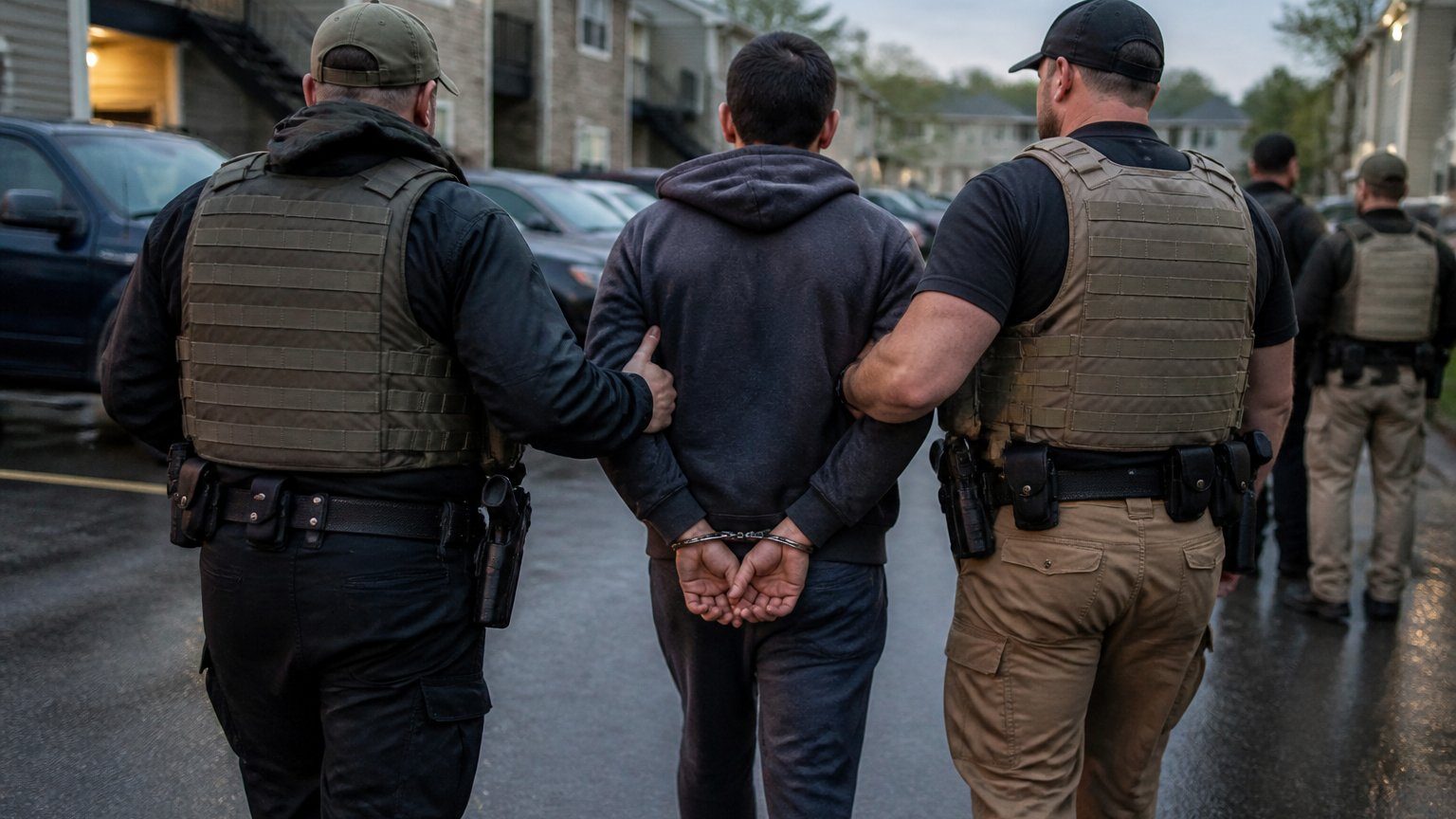
ICE’s Atlanta sweep has led to more than 1,200 arrests of illegal immigrants in the Georgia metro area, with federal officials saying many of those taken into custody had criminal histories tied to sex crimes, violence and child abuse. The operation, announced as Operation Safe Community – Atlanta, was presented by the Department of Homeland Security as a targeted effort to remove dangerous offenders from the streets.
Marcos Charles, executive associate director of ICE Enforcement and Removal Operations, said on Fox & Friends that more than half of the people arrested had criminal records. He said the operation took “sex offenders and child abusers” off the streets and added that the arrests included people with convictions or charges involving sex crimes, assault and battery, DUI, and domestic violence. Charles argued that the individuals were not only criminals but were also in the country illegally and therefore needed to be removed.
DHS said the Atlanta action was aimed at criminal illegal immigrants and was part of a broader immigration enforcement push. Charles said ICE officers are enforcing immigration laws set by Congress and indicated that similar efforts would continue in other parts of the country. His remarks framed the Atlanta operation as one example of a nationwide strategy rather than a one-off raid.
The latest sweep comes as ICE has been operating at a faster pace this year. In July, the agency recorded about 51,000 immigration arrests, which it said was its highest monthly total ever. That figure exceeded the 43,000 arrests reported in June and underscored how aggressively the agency has been working through its enforcement targets.
Charles also said ICE has changed its tactics in response to protests and what he described as attempts to interfere with arrests. He said the agency has adjusted both its training and its methods for carrying out enforcement actions and making arrests. The comments point to an enforcement environment that has become more contentious as immigration operations face increased resistance in some communities.