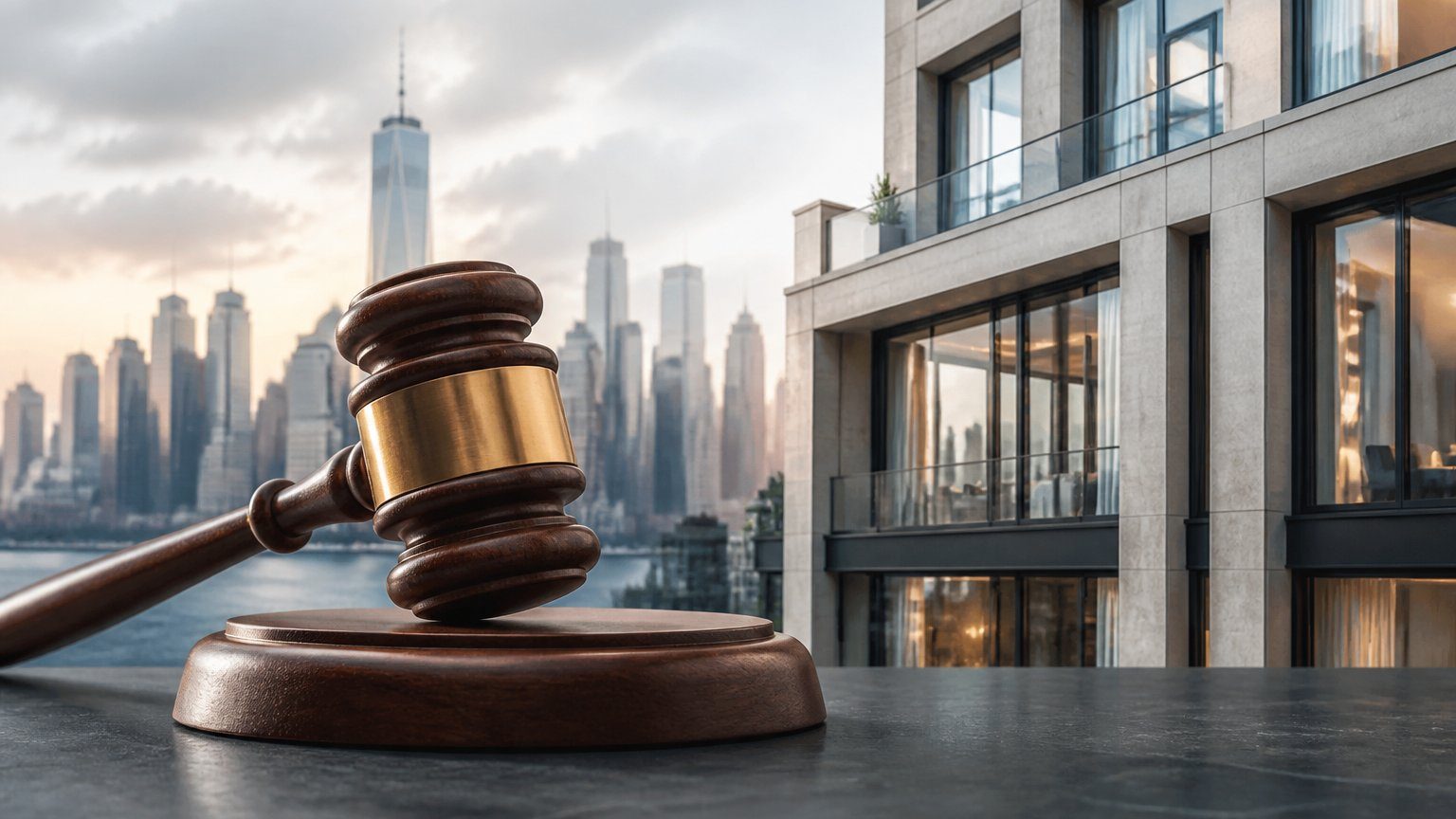
A judge halted key parts of Zohran Mamdani’s luxury home tax rollout after New York City published homeowner names, addresses and property values.
A New York judge has temporarily blocked key parts of Zohran Mamdani’s luxury home tax rollout after ruling that City Hall cannot move ahead using a disputed property list that exposed the names, addresses and property values of more than 900,000 homeowners. The order from Judge Wayne Ozzi stops the city from enforcing deadlines against homeowners tied to the new surcharge and bars officials from imposing or collecting the tax from people listed on the supplemental roll until the required individualized steps are taken.
The case centers on a proposed surcharge aimed at second homes valued at more than $5 million. Attorneys for the homeowners said the city put the burden on residents to prove they were not subject to the tax instead of first determining which properties were actually non-primary residences. Randy Mastro told the court the administration had mishandled the process and said officials should have “stop[ped] the train and make them do it over.” He also argued that publishing the list effectively exposed homeowners to public scrutiny in a way that was not justified.
Mastro said the city should have used information already available to make the initial determination before mailing notices. Instead, he said, New Yorkers who live in their own homes received notices suggesting they might owe the surcharge, while many others were left scrambling to respond. Outside the courthouse, Mastro called the ruling “a very good day for all New York City homeowners” and said the city had “botched this rollout.” He also said the city had posted a list of more than 900,000 New Yorkers by name, address and property value.
The lawsuit was brought by three New York City homeowners who are not challenging the surcharge itself. Their complaint focuses on how the city implemented it. One plaintiff, Simon Hedley, eventually received an exemption after providing tax information, a fact Mastro used to argue that the city could have made the proper determination itself from the start. He pressed that point in court, asking whether the city’s errors reflected negligence or laziness.
“A judge halted key parts of Zohran Mamdani’s luxury home tax rollout after New York City published homeowner names, addresses and property values.”
City lawyers pushed back and said halting the process would hurt taxpayers who were trying to claim exemptions. Attorney Steven Banks argued that keeping the supplemental roll in place would preserve the status quo and give homeowners time to work through the process. The hearing grew tense as both sides traded sharp words, including a dispute over Mastro’s description of the notices as terrorizing. Banks objected to that language and said the rollout was being carried out in accordance with law.
Judge Ozzi sided with the homeowners at least for now, finding that the notices caused irreparable harm and that the city, not property owners, had the responsibility to make the first determination. He also said the plaintiffs were likely to succeed on the merits because of the city’s missteps. At the same time, he made clear that the underlying case has not been decided and said he could not undo notices already sent, only stop more from going out.
The Mamdani administration said it would appeal immediately and vowed to keep fighting for the surcharge. A spokesperson said the city believes the tax is fair and that people who own second homes valued at $5 million or more should contribute their fair share. Mamdani has defended the plan as a way to raise money for safer streets, stronger schools and other city services, while saying only about 17,000 homeowners in a city of 8.5 million are potentially affected.
The court will keep moving quickly. The defense must submit its order to show cause by Aug. 24, plaintiffs’ replies are due Aug. 27, and oral arguments on the merits are scheduled for Aug. 31. For American readers, the fight is a reminder that tax policy, property privacy and city government process can collide fast when officials try to target wealthy homeowners for new revenue.
Frequently asked questions
What did the judge order in the luxury home tax case?
Judge Wayne Ozzi temporarily restrained the city from moving ahead with the disputed rollout and barred it from enforcing deadlines against affected homeowners.
Why did homeowners sue the city?
They say the city wrongly identified primary residences as potentially taxable and skipped the individualized determination required before sending notices.
How did the city respond?
A spokesperson said the administration disagrees with the ruling, will appeal immediately, and still believes the surcharge is fair and lawful.
What happens next in the case?
The defense must file its order to show cause by Aug. 24, replies are due Aug. 27, and oral arguments are set for Aug. 31.
We value your privacy 🍪We use cookies for essential features and, if you allow it, to send you a notification whenever we publish a new story. See our Privacy Policy.
📨
Never Miss a Story
Get the headlines that matter delivered straight to your inbox.
📱 On iPhone: tap the Share icon, choose “Add to Home Screen”, then open TheTrueDefender from your Home Screen and tap 🔔 to turn on notifications. (Apple only allows notifications for saved web apps.)
🔔
Never miss a breaking storyGet free alerts the moment big US news breaks.
1Tap the ••• menu at the bottom of the screen, then tap Share(in Safari, just tap Share in the bottom bar directly)2Scroll down the menu and tap Add to Home Screen3Tap Add in the top-right corner4Open TheTrueDefender from your Home Screen, then tap 🔔 Subscribe and choose Allow
📱 Add TheTrueDefender to your home screen for one-tap access.