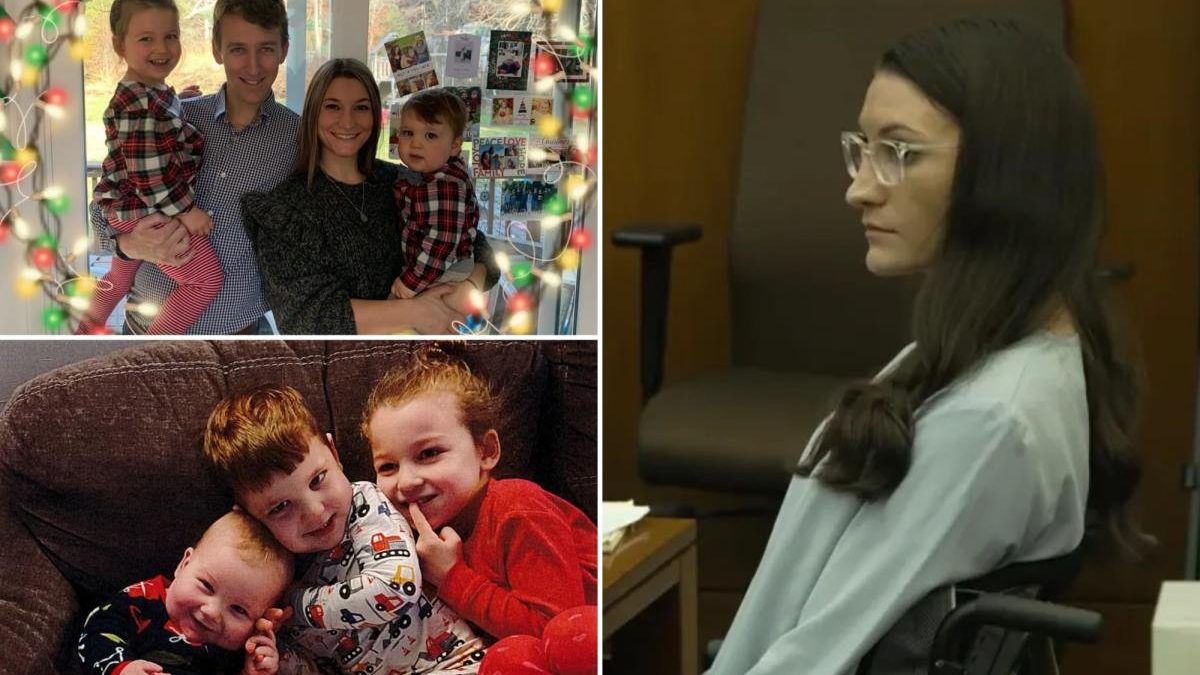
Lindsay Clancy’s worst day came into focus in court Tuesday, as jurors heard that the Massachusetts mother of three was struggling with persistent and intrusive thoughts of suicide weeks before she killed her children. The testimony centered on a December 2022 mental health crisis, an emergency room visit, and a dispute over whether she was denied the outpatient care her doctor had urged her to get.
Rebecca Jollotta, a nurse practitioner at South Shore Hospital’s Perinatal Behavioral Clinic, told jurors that Clancy and her then-husband, Patrick Clancy, called her on Dec. 15, 2022, saying this had been the worst day for Lindsay. Jollotta said Clancy reported dark thoughts but had no active plan to hurt herself. The couple said they would likely go to Massachusetts General Hospital, and Clancy also considered McLean Hospital. Jollotta said she had strongly urged Clancy in a Dec. 12 MyChart message to enter Women and Infants Hospital in Rhode Island.
Clancy did go to the emergency room that day, but she did not enter McLean. Instead, according to Jollotta’s testimony, she planned to join an outpatient program at Women and Infants. That plan later ran into trouble. Defense lawyer Kevin Reddington said Women and Infants turned Clancy away on Dec. 20 because staff believed she may have been taking too many prescription medications. Jollotta told the jury she could not address that decision because she was not connected to the other hospital. The next day, Clancy messaged Jollotta that Women and Infants had recommended a general mental health facility like McLean rather than a postpartum specialty program.
Jollotta also told jurors that she had met with Clancy and Patrick in person on Dec. 6, 2022, and had raised the possibility of bipolar disorder. She said Patrick responded, “My wife is not bipolar.” Jollotta said her concern came from Clancy’s reactions to SSRIs such as Zoloft and Prozac, which can affect people with bipolar disorder. Clancy told her that when she previously took Zoloft, she did not sleep for 48 hours and was not tired. Jollotta said that kind of sleeplessness without fatigue can point to a manic episode, and that Clancy’s mix of racing thoughts, insomnia, depression and numbness suggested a mixed manic or hypomanic state. She also testified that although she had treated five women with postpartum psychosis and hundreds more with postpartum depression and anxiety, she never believed Clancy was psychotic.