Qatar says US-Iran mediation is still active as officials push to reopen the Strait of Hormuz, even while Tehran rejects direct talks.
Qatar says mediation over the US-Iran talks is still moving forward as regional officials try to prevent another escalation, even though no direct negotiations are scheduled. Qatar’s foreign ministry said its efforts with Pakistani and Omani officials are aimed at a short-term solution that could restart diplomacy between Washington and Tehran.
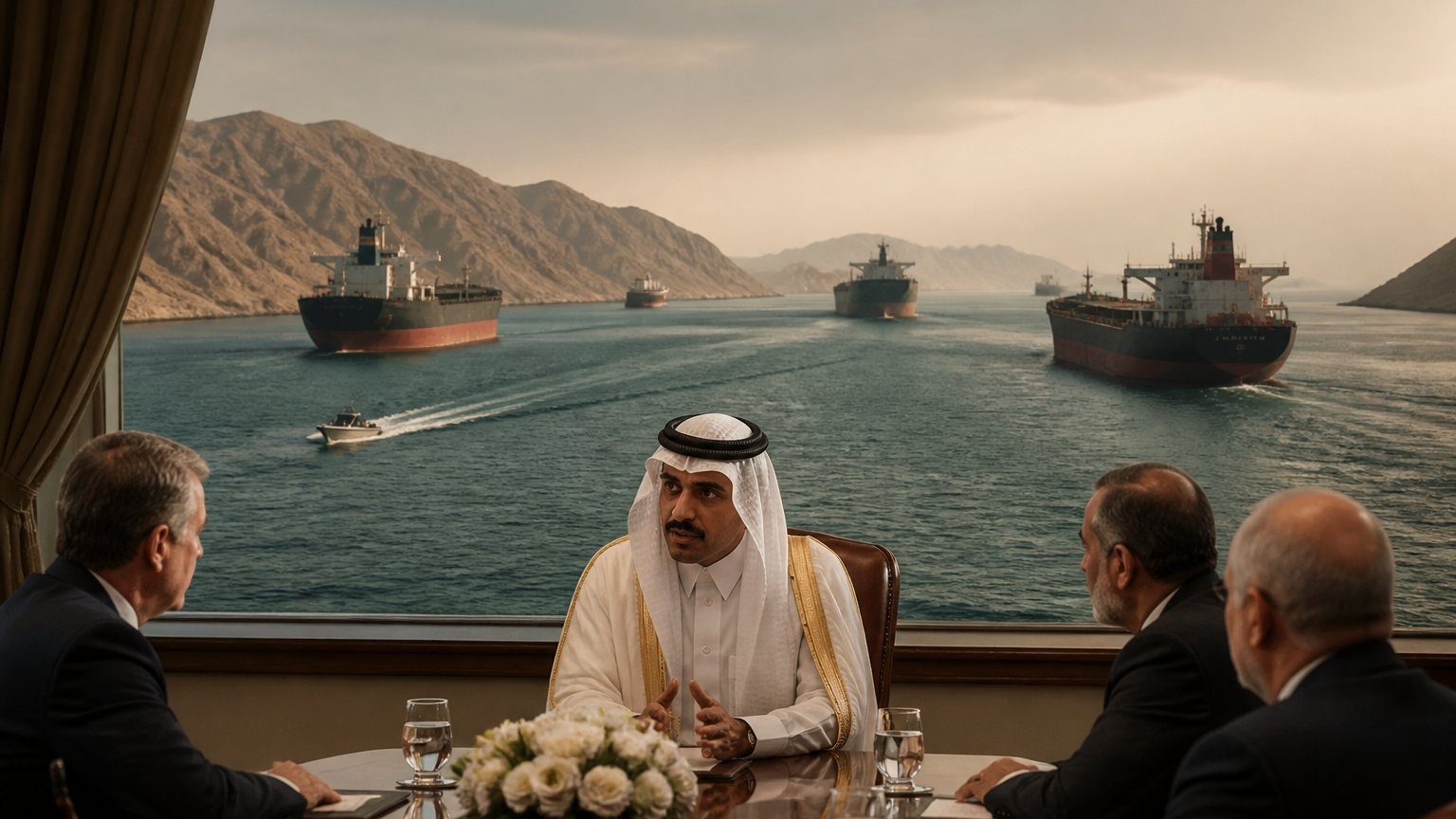
Foreign ministry spokesman Majed al-Ansari told reporters in Doha that the talks are in “very progressive stages,” with Qatar working closely with Oman to exchange ideas and draft proposals. He said the immediate goal is to avoid escalation, reopen the Strait of Hormuz and create a path back to wider diplomacy. At the same time, he made clear that there is nothing on the calendar for direct US-Iran talks.
The diplomatic push comes amid mixed messages from Washington and Tehran. Iran’s foreign ministry rejected President Donald Trump’s claim that talks were already under way, saying there was no plan to send or receive a delegation. Tehran has said it is only speaking with Oman about an agreement to reopen the waterway to commercial shipping.
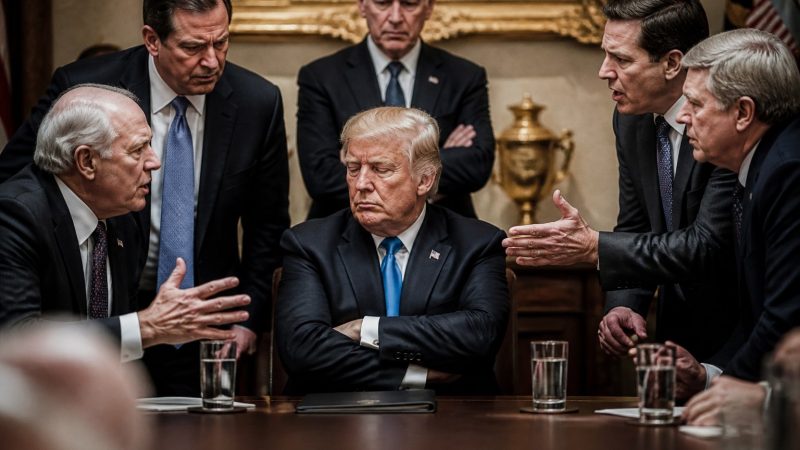
US officials have struck a more hopeful tone. Secretary of State Marco Rubio said there had been progress in the discussions, though no final agreement had been reached. Treasury Secretary Scott Bessent went further, saying in an interview with CNBC that there could be “a deal today or tomorrow.” Trump also said on Truth Social that Iran’s leadership was “unbelievably duplicitous” and claimed the Iranians had asked for a meeting, with more talks expected in the “immediate future.”
“Qatar says US-Iran mediation is still active as officials push to reopen the Strait of Hormuz, even while Tehran rejects direct talks.”
The focus on the Strait of Hormuz matters because the narrow passage is one of the world’s most important shipping lanes. The source says a fifth of global oil and gas shipments usually move through it, and that it has effectively been closed since the start of the US and Israel’s war with Iran in late February. The disruption followed Iranian attacks on vessels and a US blockade of Iranian ports.
There was also fresh concern at sea overnight. The United Kingdom Maritime Trade Operations agency said a cargo vessel was hit by an “unknown projectile” in the Gulf waterway. Maritime risk management firm Vanguard said the engine room of the Liberia-flagged Minoan Pioneer was struck and that one sailor was missing.
This is not the first time the parties have tried to find a way back from the brink. In mid-June, the US and Iran signed a preliminary agreement to end their conflict and reopen the strait, but it collapsed within weeks amid disagreements over control of the waterway and new Iranian attacks that led to an escalating exchange of strikes. Against that backdrop, Saudi Arabia, the United Arab Emirates and Qatar have all urged restraint while mediators keep working behind the scenes.
For Americans, the stakes go beyond diplomacy: any breakdown in the Strait of Hormuz can ripple through global energy markets, shipping costs and security concerns far from the Gulf. The next step to watch is whether the mediation effort produces a limited shipping deal that can survive long enough to reopen the door to broader talks.
Frequently asked questions
Who is mediating between the US and Iran?
Qatar says it is working with Pakistani and Omani officials to keep the diplomacy moving. The focus is on a short-term resolution and reopening the Strait Of Hormuz.
Are direct US-Iran talks scheduled?
No. Qatar’s foreign ministry said there is nothing on the books for direct talks, even though mediation continues.
Why is the Strait of Hormuz so important?
The passage normally carries a fifth of global oil and gas shipments. Disruption there can affect shipping routes and energy markets well beyond the Gulf.
What happened at sea overnight?
UKMTO said a cargo vessel was hit by an unknown projectile, and Vanguard said the Liberia-flagged Minoan Pioneer was struck in the engine room with one sailor missing.
We value your privacy 🍪We use cookies for essential features and, if you allow it, to send you a notification whenever we publish a new story. See our Privacy Policy.
📨
Never Miss a Story
Get the headlines that matter delivered straight to your inbox.
📱 On iPhone: tap the Share icon, choose “Add to Home Screen”, then open TheTrueDefender from your Home Screen and tap 🔔 to turn on notifications. (Apple only allows notifications for saved web apps.)
🔔
Never miss a breaking storyGet free alerts the moment big US news breaks.
1Tap the ••• menu at the bottom of the screen, then tap Share(in Safari, just tap Share in the bottom bar directly)2Scroll down the menu and tap Add to Home Screen3Tap Add in the top-right corner4Open TheTrueDefender from your Home Screen, then tap 🔔 Subscribe and choose Allow
📱 Add TheTrueDefender to your home screen for one-tap access.