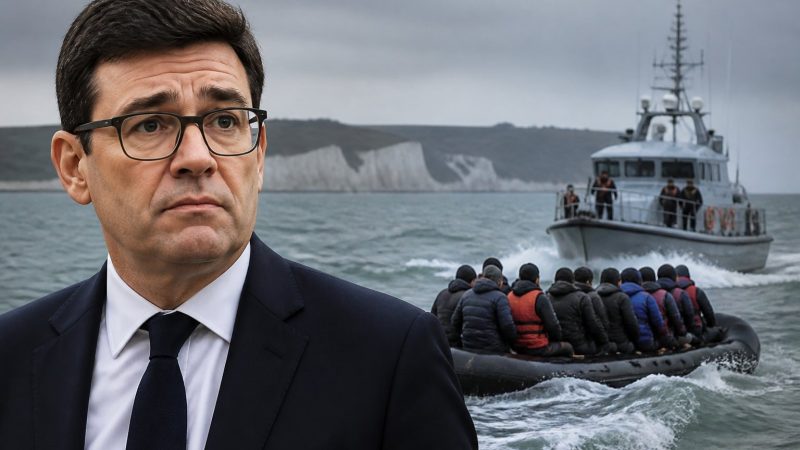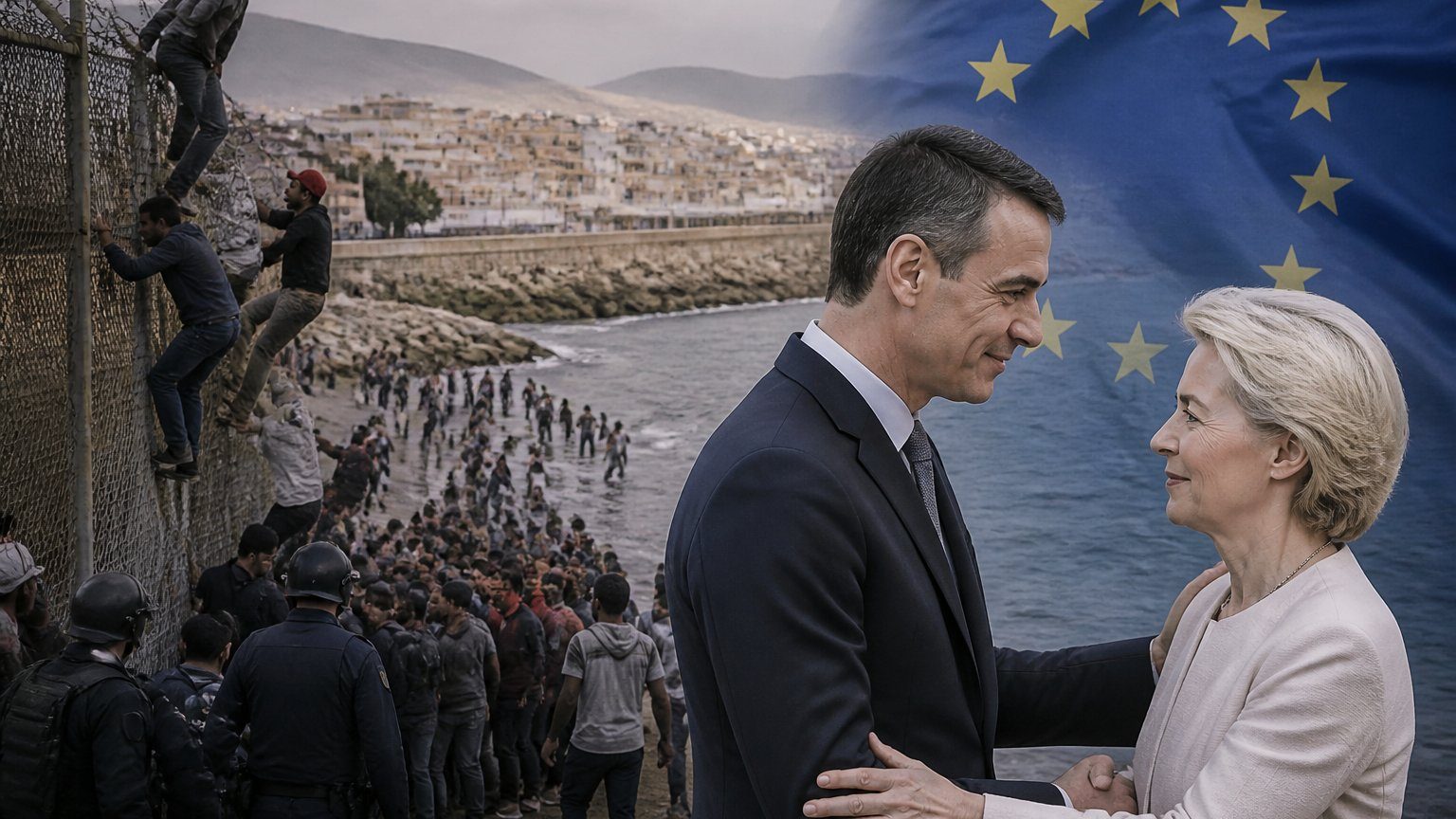
The Ceuta migrant crisis has triggered a show of support from the European Union, after bloc interior ministers praised Spain’s response to the sudden influx into its North African territory. Spain’s interior minister, Fernando Grande-Marlaska, said around 72,000 migrants crossed into Ceuta over two days at the end of July, and that about 70,000 had since been sent back to Morocco.
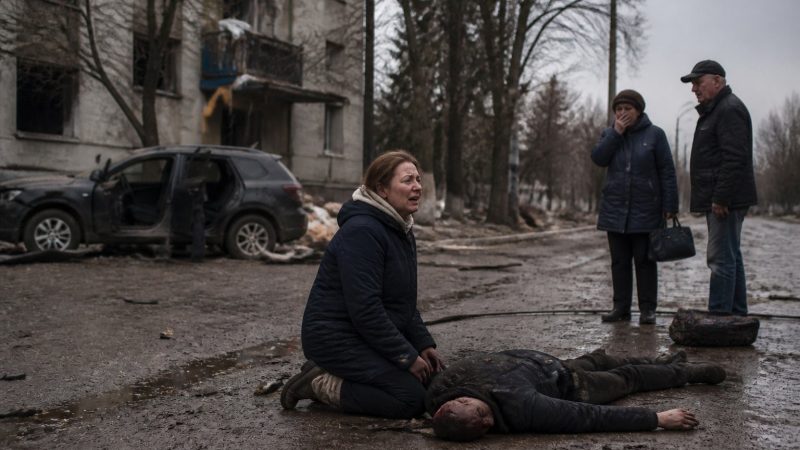
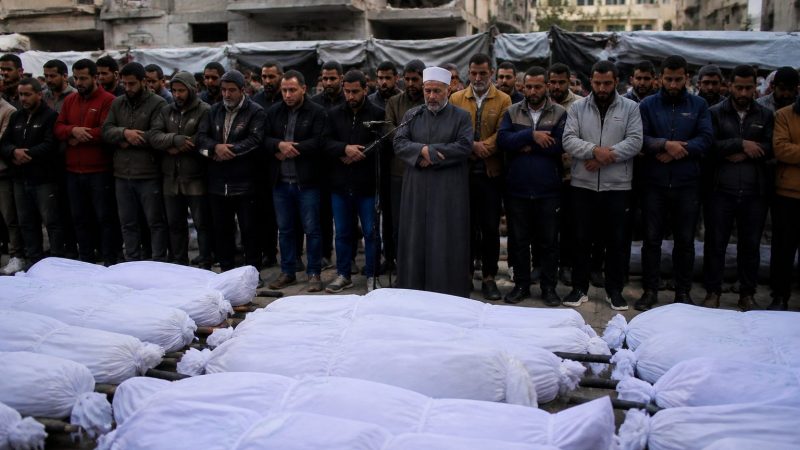
The scale of the crossings and the rapid returns turned Ceuta into a test of border control for both Spain and Europe. Grande-Marlaska said at least 75 people died on the Spanish side of the border, while 11 deaths were reported in Morocco. After a meeting of EU interior ministers on Tuesday, he said the Schengen zone had not been undermined and voiced hope that Italy would remove any extra checks it had imposed as soon as possible.
Irish Justice Minister Jim O'Callaghan, who chaired the meeting, said the EU stood with Spain and that migration demanded a united European response. EU commissioner Magnus Brunner also described the episode as a test of European resilience and border security, saying the bloc had passed it. Brunner said the EU had offered Spain emergency financial support to help reinforce its borders and manage the crisis.
The Ceuta migrant crisis had already stirred tension inside the bloc before the ministers gathered. Italy’s right-wing Prime Minister Giorgia Meloni called the images from Ceuta shocking and argued that uncontrolled immigration posed a security threat to Europe. Italy then suspended the Schengen agreement with Spain on free movement, a move that would mainly affect flights because the two countries do not share a land border. Finland and Denmark backed Italy’s decision, and Czech Prime Minister Andrej Babiš urged a temporary suspension of Spain’s Schengen membership.
Italy, Denmark and 20 other countries later sent a letter expressing concern and pressing for an EU ministerial meeting. Spain’s Prime Minister Pedro Sánchez pushed back, saying he had serious concerns about some European governments and insisting that Ceuta was not part of the Schengen area. He said several governments had chosen to attack Spain, describing their criticism as driven by prejudice, fake news, ignorance, or political interest.