The prison early release scheme will exclude rape and serious child sex offenders, as ministers delay wider releases until October amid overcrowding pressure.
Britain’s prison early release scheme has been narrowed, with prisoners convicted of rape, grooming and serious child sex offences now set to be excluded. The move follows mounting pressure over overcrowding and strong criticism from victims’ families and support campaigners after the government paused the first round of releases.
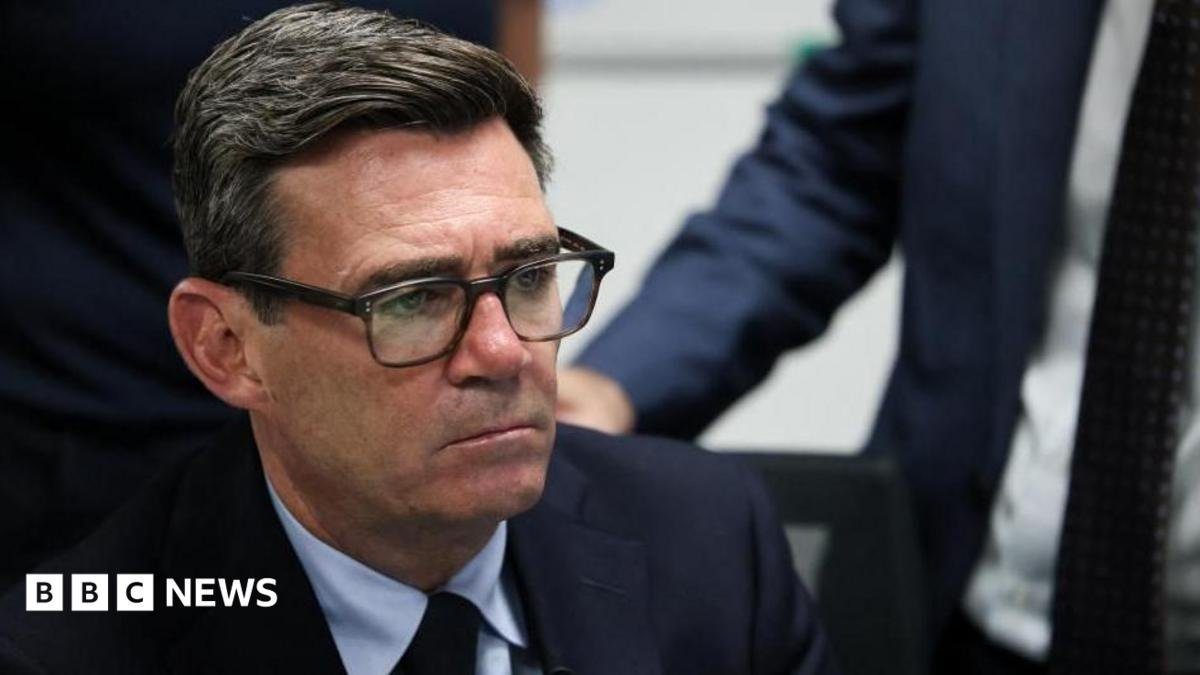
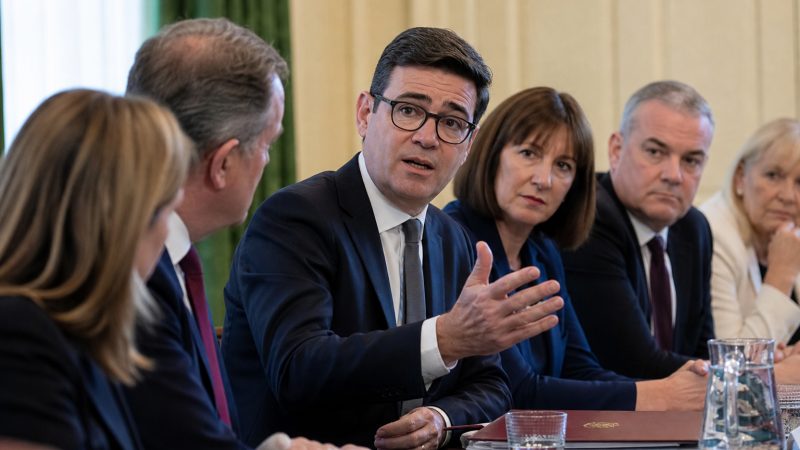
Prime Minister Andy Burnham said he had halted plans to free some prisoners in September while an urgent review was carried out. The government now says other offenders will face a one-month delay, with the first releases due in October. Burnham said he wanted to go further, but argued that doing so without changes would risk the prison system collapsing and leave the public at greater risk. He also said he understood the anger, anxiety and distress the policy had caused.
The announcement came with extra funding for victims’ services. Ministers said £10 million would go to frontline support, including a new national helpline. The government also said offenders who serve full sentences for rape or serious child sex offences will face stronger post-release monitoring, including 12 months of GPS tracking and tougher community supervision.
The backlash was sharpened after the family of PC Andrew Harper received a letter from the Ministry of Justice saying the men convicted of killing him could still be considered for early release. Harper, a 28-year-old police officer, died in 2019 after being dragged by a car down a country road during the escape from a quad bike theft in Berkshire. His widow, Lissie Harper, said she was bristling with anger and called it disgusting that the killers remained eligible.
“The prison early release scheme will exclude rape and serious child sex offenders, as ministers delay wider releases until October amid overcrowding pressure.”
Lissie Harper said the government was showing deep disrespect to her husband and other victims, and she said the trauma of learning abusers or killers may be released early cannot be undone. Her criticism reflects the wider political danger for ministers: when public safety and victims’ rights appear to be in tension with prison management, confidence can evaporate quickly. That is why the early release scheme has become more than an administrative fix — it has turned into a test of whether the state can protect the public while keeping the prisons functioning.
Domestic Abuse Commissioner Dame Nicole Jacobs also pressed the government to go further, saying it was critical that no abuser be released in October unless victim safety can be protected. Separately, a prison officer told the BBC the system was creaking at the seams and warned that delaying releases until October could mean space runs out. A probation officer added that it was not clear how much the changes would really alter the challenge of supervising people released earlier.
The policy itself was built after January changes to the Sentencing Act shifted early release rules away from offence type and toward sentence length. Some of the most serious offenders, including murderers serving life terms and those on extended sentences, were already excluded. Under the new plan, other prisoners serving longer sentences of four years or more would become eligible for release halfway through their terms rather than two-thirds, while those on lighter sentences could be freed after a third instead of half.
The staged rollout had been due to begin with prisoners serving less than 575 days, eventually extending to inmates with sentences of 12 years or more by June 2027. Ministers say the latest changes can be made before October without rewriting the law, though they may later amend legislation to block more categories of offender. Shadow Justice Secretary Nick Timothy called the move a U-turn and said it still leaves some killers and child sex offenders eligible for early release. For American readers, the larger lesson is simple: when prison systems get overwhelmed, governments face hard choices that can quickly become a fight over safety, punishment, and public trust.
Frequently asked questions
Who is being removed from the early release scheme?
Prisoners convicted of rape, grooming, and serious child sex offences will no longer be eligible for the upcoming scheme.
When will the first releases now happen?
The government says the first releases will now begin in October, one month later than planned.
What support is being added for victims?
Ministers announced an extra £10 million for frontline victim support services, including a new national helpline.
Why has the plan drawn criticism?
Victims’ families and other critics say it still allows some killers and other offenders to be released early, including men convicted in PC Andrew Harper’s death.
We value your privacy 🍪We use cookies for essential features and, if you allow it, to send you a notification whenever we publish a new story. See our Privacy Policy.
📨
Never Miss a Story
Get the headlines that matter delivered straight to your inbox.
📱 On iPhone: tap the Share icon, choose “Add to Home Screen”, then open TheTrueDefender from your Home Screen and tap 🔔 to turn on notifications. (Apple only allows notifications for saved web apps.)
🔔
Never miss a breaking storyGet free alerts the moment big US news breaks.
1Tap the ••• menu at the bottom of the screen, then tap Share(in Safari, just tap Share in the bottom bar directly)2Scroll down the menu and tap Add to Home Screen3Tap Add in the top-right corner4Open TheTrueDefender from your Home Screen, then tap 🔔 Subscribe and choose Allow
📱 Add TheTrueDefender to your home screen for one-tap access.