Saudi Arabia defense pact with Turkey and Pakistan pledges mutual protection as regional tensions rise and shipping routes face new strain.
Saudi Arabia defense pact talks ended with a new mutual defense agreement among Saudi Arabia, Turkey and Pakistan, a move that signals growing unease across the Middle East as attacks and maritime disruptions continue to unsettle the region. The deal says an attack on any one of the three countries will be treated as an attack on all of them.
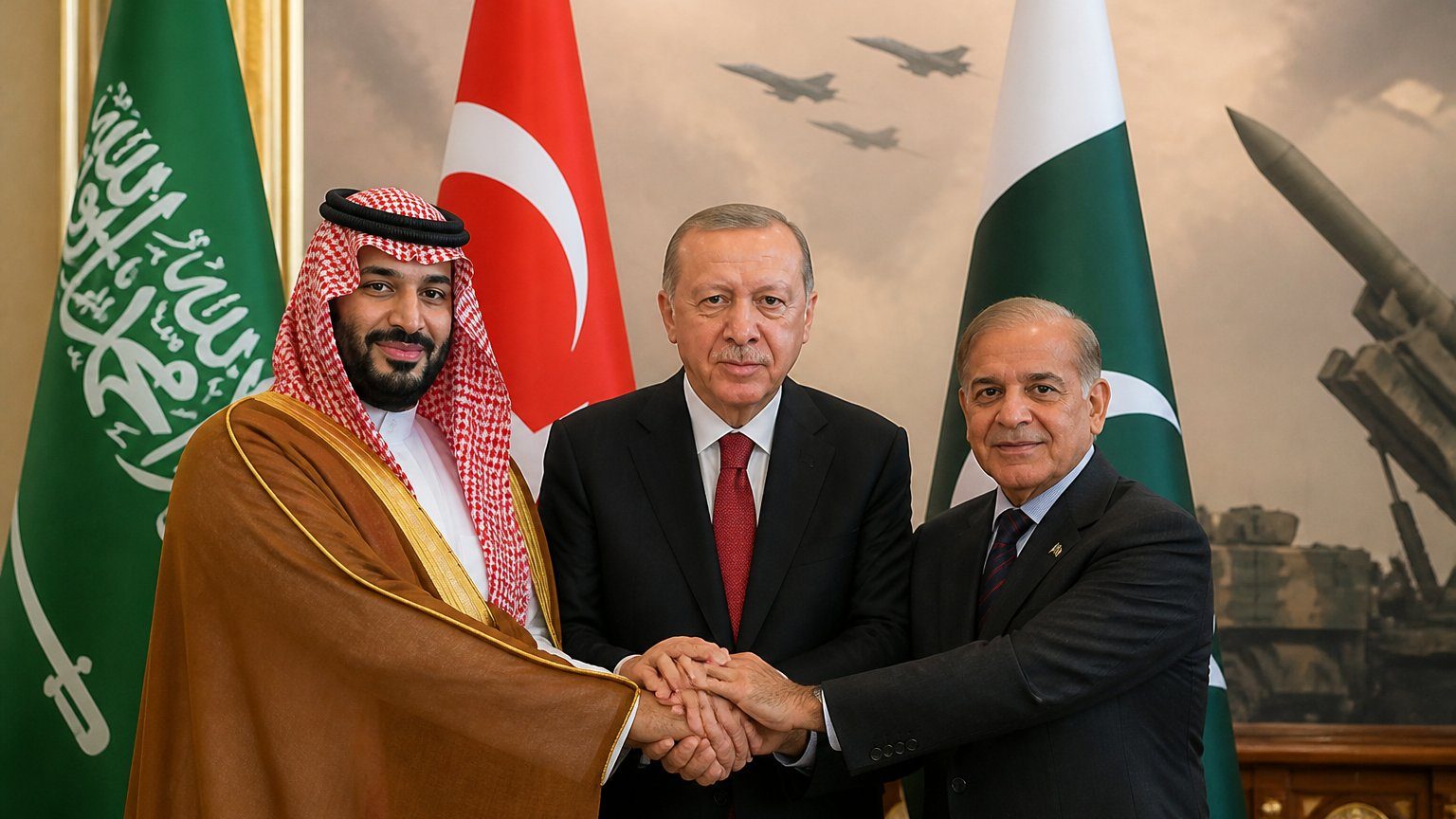
The agreement was announced after a meeting in Mecca involving Saudi Crown Prince Mohammed bin Salman, Turkish President Recep Tayyip Erdogan and Pakistani Prime Minister Shehbaz Sharif. The joint statement says the pact is meant to strengthen collective deterrence and deepen defense cooperation among the three states. It also says any armed attack on one country will be regarded as an attack on them all. A Turkish official quoted by Reuters described the pact as purely defensive.
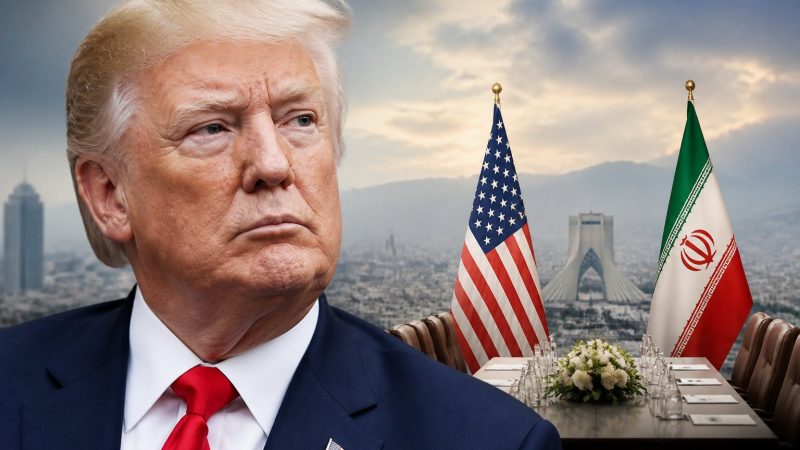
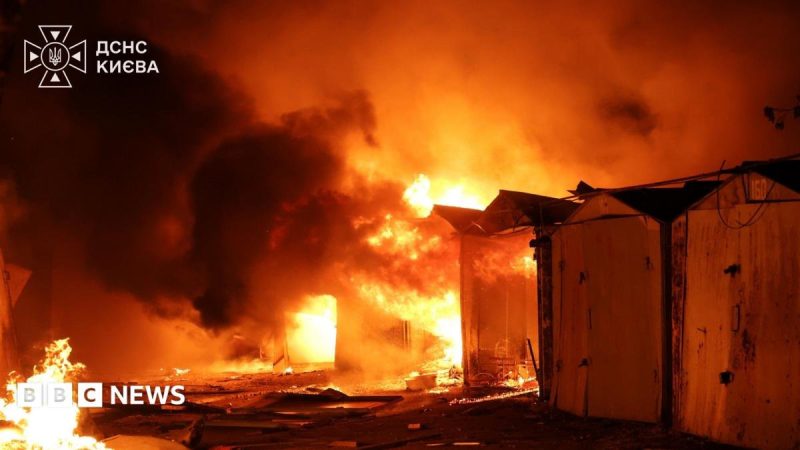
The announcement comes against a volatile backdrop. After the United States and Israel attacked Iran on February 28, Tehran and allied forces struck targets in Saudi Arabia and other Gulf states, while traffic through the Strait of Hormuz and the Red Sea was disrupted. Those waterways are central to global energy shipments, which makes any threat there a direct concern for markets and for countries that depend on stable trade routes. In that setting, the Saudi Arabia defense pact is being seen as part of a broader regional response to a harder security environment.
Tehran responded sharply. Ebrahim Rezaei, a member of Iran’s National Security commission, posted on X that a paper agreement with Turkey and Pakistan would not bring Saudi Arabia security, adding that years of relying on the United States had not done so either. His remarks underscored how quickly the pact has become part of the wider rivalry shaping Gulf politics. The agreement also follows a prior Saudi-Pakistan defense arrangement announced last year, showing that Riyadh has been building layered security ties beyond its traditional partnerships.
“Saudi Arabia defense pact with Turkey and Pakistan pledges mutual protection as regional tensions rise and shipping routes face new strain.”
For Saudi Arabia, the appeal is clear. The kingdom has faced fresh pressure from Houthi rebels in Yemen, who announced a maritime embargo against Saudi Arabia last month and targeted Saudi airports, oil facilities and tankers in the Red Sea. Saudi leaders are also aware of Israeli strikes on Doha last year that targeted senior Hamas officials. Analysts cited in the reporting said Gulf states have been reassessing their defense strategies in response to that kind of instability, and the new pact fits that pattern.
Pakistan brings a different set of interests to the table. Its long-running tensions with India flared into open conflict in May 2025, though a full war was avoided. In that environment, having Saudi Arabia’s economic weight and Turkey’s military and industrial strength aligned behind it carries obvious value for Islamabad. Pakistan has also taken on a larger diplomatic role, acting as an intermediary between Iran and the United States and hosting ceasefire talks, which has raised its regional standing.
Turkey stands to gain as well. Burcu Ozcelik of the London-based Royal United Services Institute said the deal could open doors for Turkish defense industry cooperation through joint production, technology partnerships, procurement and stronger military interoperability. That makes the pact more than a political signal; it could also deepen practical military and industrial links between the three governments.
Even so, the pact leaves major questions unanswered. Mutual defense promises sound simple on paper, but real-world crises can force difficult choices. Whether Turkey would become involved in a renewed Saudi war in Yemen or Saudi Arabia would be drawn into a new India-Pakistan conflict remains uncertain. What is clear is that the agreement is designed to raise the cost of aggression and reassure each government that it has powerful partners standing behind it. For Americans, the Saudi Arabia defense pact matters because instability around the Strait of Hormuz, the Red Sea and Gulf capitals can ripple into energy security, trade and U.S. diplomacy.
Frequently asked questions
Who signed the new defense pact?
Saudi Crown Prince Mohammed bin Salman, Turkish President Recep Tayyip Erdogan and Pakistani Prime Minister Shehbaz Sharif were at the Mecca announcement.
What does the agreement promise?
It says an armed attack on any one of the three states will be regarded as an attack on all three, and it seeks stronger Defense cooperation.
Why is the pact significant now?
It comes after strikes on Iran, retaliatory attacks in the Gulf, and disruption along the Strait of Hormuz and the Red Sea.
How did Iran respond?
A senior member of Iran’s National Security commission said the agreement would not bring Saudi Arabia security and dismissed it as a paper pact.
We value your privacy 🍪We use cookies for essential features and, if you allow it, to send you a notification whenever we publish a new story. See our Privacy Policy.
📨
Never Miss a Story
Get the headlines that matter delivered straight to your inbox.
📱 On iPhone: tap the Share icon, choose “Add to Home Screen”, then open TheTrueDefender from your Home Screen and tap 🔔 to turn on notifications. (Apple only allows notifications for saved web apps.)
🔔
Never miss a breaking storyGet free alerts the moment big US news breaks.
1Tap the ••• menu at the bottom of the screen, then tap Share(in Safari, just tap Share in the bottom bar directly)2Scroll down the menu and tap Add to Home Screen3Tap Add in the top-right corner4Open TheTrueDefender from your Home Screen, then tap 🔔 Subscribe and choose Allow
📱 Add TheTrueDefender to your home screen for one-tap access.