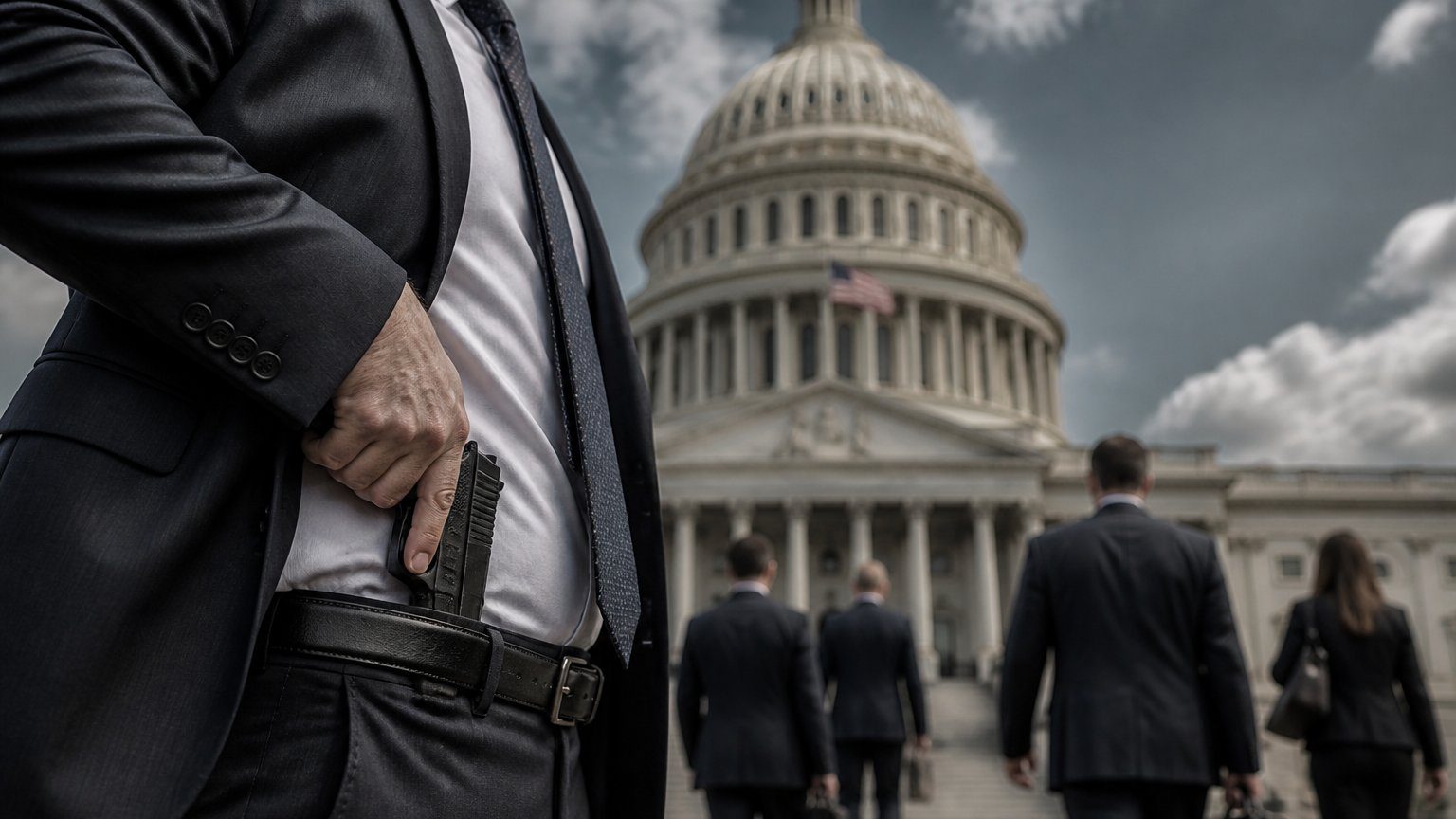
A special ops concealed carry bill is moving through Congress, and one retired Army veteran says it should become law. Gavin Glasenapp, who spent 20 years in the Army and completed 12 combat deployments, is backing the Special Operations Forces Concealed Carry Act, which would give qualified former special operators the kind of nationwide concealed carry privileges retired law enforcement officers already receive.
Glasenapp told Fox News Digital on Monday that the measure is long overdue. He described special operators as carefully chosen and heavily trained service members who know how to protect themselves and others. “It needs to happen,” he said. He also said there is “no better group of people” to be trusted with that responsibility. Glasenapp now works as training operations manager at Delta Defense for the U.S. Concealed Carry Association, where he said the organization believes Americans have a right to self-defense.
The bill in the Senate was introduced last week by Sen. Tim Sheehy, R-Mont., while a companion version in the House was filed in April by Rep. Pat Harrigan, R-N.C. Sheehy said the legislation recognizes that special operations troops spend their careers serving the country with discipline and judgment. In his statement, he said the bill gives qualified special operators the same nationwide concealed carry privileges already granted to retired police officers and reflects the trust they have earned through a lifetime of sacrifice.
The two versions of the Special Operations Forces Concealed Carry Act take different approaches on training. Sheehy’s bill would require yearly certification at the individual’s expense, using state standards and active-duty-level firearms qualification, along with completion of a Justice Department-certified “Concealed Carry Use of Force in Society” course. Harrigan’s House bill would simply extend the existing LEOSA framework to qualified special operators and would not require separate firearms recertification.
Glasenapp said he does not think annual recertification should be mandatory, though he said continued training is always wise. He argued that both retired police officers and special operators have spent years qualifying with handguns and other small arms. He also said many in special operations are trained to adapt quickly to changing rules and conditions, including different laws across state lines and the shifting requirements that come with service overseas.