⚡ LATEST
Trump Demands Iran Pay Over Past Attacks

Trump Demands Iran Pay Over Past Attacks

Trump demands Iran compensation for Americans killed and wounded in attacks, while Tehran presses its own war damage claims in talks.

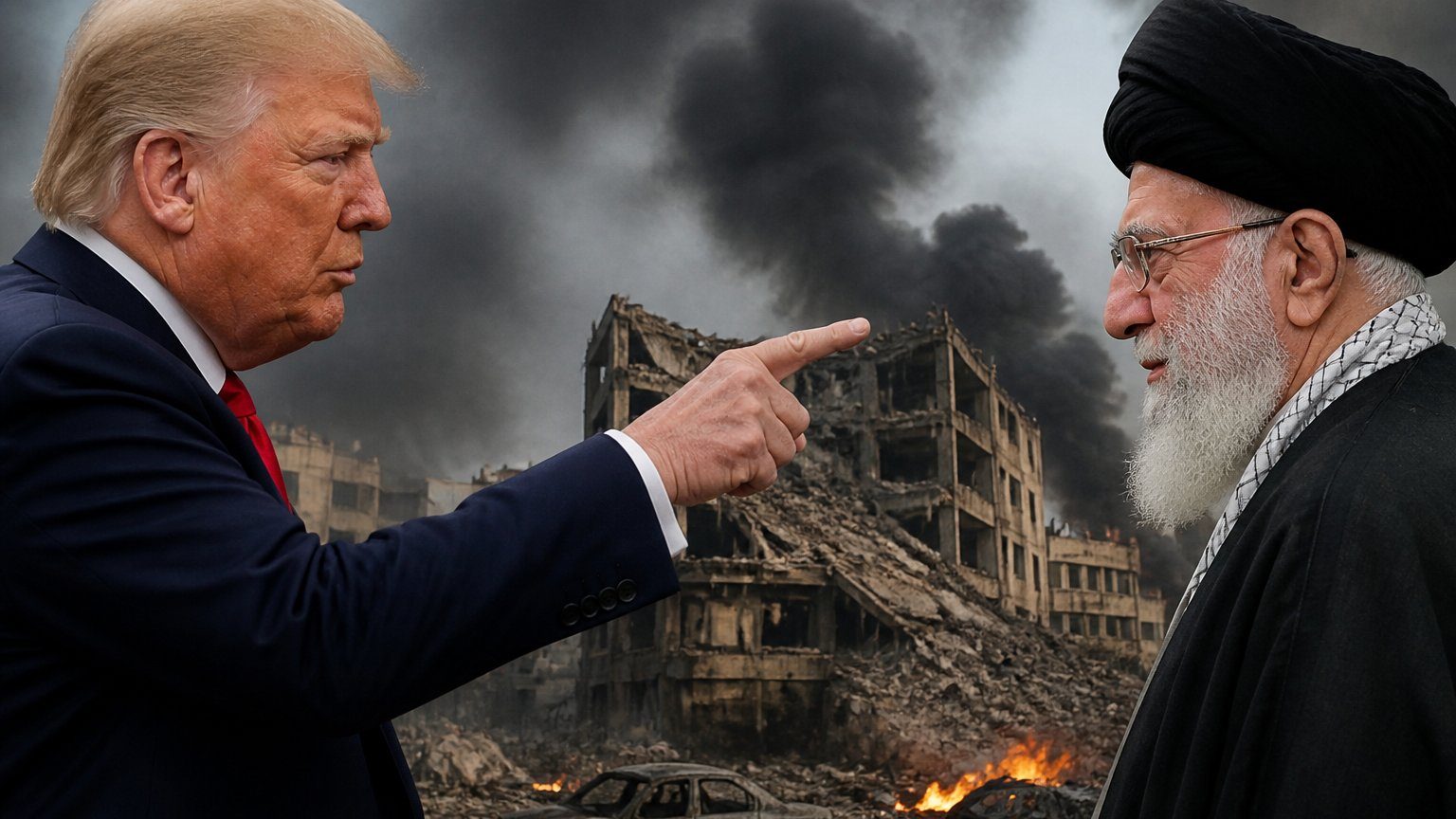
President Donald Trump on Monday escalated the fight over Iran compensation, saying Tehran should pay Americans killed or seriously wounded in attacks he blames on the Islamic Republic. In the same remarks, he said Iran should also compensate the families of Iranian protesters killed by the regime, sharpening a dispute that now sits alongside already tense discussions over the future of the Strait of Hormuz.

Trump said he had directed his representatives to raise those demands in any future negotiations with Iran. On Truth Social, he cited what he described as years of violence tied to Iranian-backed attacks and said compensation should cover the families of those killed on the USS Cole, along with “thousands of others” killed in combat. He also said payments should go to families of “hundreds of thousands” of protesters killed in Iran over the past 50 years. Later, he repeated the message at the White House, telling reporters that if damages are to be paid, Iran should be the one to pay them.

The president’s comments came after senior Iranian officials demanded compensation from Washington as part of Tehran’s conditions for reopening the Strait of Hormuz. In one Truth Social post, Trump said Iranian representatives were asking for compensation over damage from the last five months of military conflict and argued the demand was never part of previous talks. He called the Iranian request “an interesting idea” before turning the argument back on Tehran and saying the United States should seek payment for what Iran has done over a 50-year period.

Trump also broadened the issue beyond the U.S.-Iran dispute, saying Iran should be held responsible for damage and deaths in Lebanon, Syria, Yemen and Gaza. At the White House, he kept the door open on how far the talks might go, but refused to answer directly when asked whether Iran had used up its chances to reach a deal with the United States. When pressed about whether the last round of talks was Tehran’s final chance before possible decapitation strikes, he told reporters, “You’ll find out.”
On the Iranian side, the Supreme National Security Council said over the weekend that the Strait of Hormuz would remain closed until the United States “corrects its behavior.” The council linked reopening the strategic waterway to a list of demands that included an end to U.S. military operations and threats, the lifting of sanctions, the release of frozen Iranian assets and compensation for war damage. Mohammad Bagher Zolghadr, the council’s secretary, said it would “never back down, whether in war or in negotiations.”

Iranian Foreign Minister Abbas Araqchi said on Aug. 8 that Iran and Oman were “very close” to a deal on a new shipping route through the strait, while also saying there would be conditions, including compensation tied to what Tehran says were U.S. violations of the Islamabad memorandum of understanding. That mix of threats, demands and conditional talks has left the fate of the waterway and the broader negotiations unresolved.

For Americans, the standoff matters because it ties U.S. security concerns, global shipping and long-running grievances over attacks in the Middle East into one pressure point. The next move will show whether the two sides can turn compensation demands into a bargaining chip or whether the dispute hardens further and keeps the Strait of Hormuz at the center of the confrontation.

Frequently asked questions

What is Trump demanding from Iran?
Trump says Iran should compensate Americans killed or seriously wounded in attacks he blames on Tehran. He also wants compensation for families of Iranian protesters killed by the regime.
Why is the Strait of Hormuz part of this dispute?
Iran’s Supreme National Security Council said the strait would stay closed until the United States changes its behavior. Tehran linked reopening it to sanctions relief, asset releases and compensation demands.
What did Trump say about future talks with Iran?
Trump said he instructed his representatives to include his compensation demands in any future negotiations. He also declined to say whether Iran had exhausted its chances for a deal.
Full coverage: Donald Trump
Trump cuts childhood vaccine list in new order
Up Next · in Politics

Trump cuts childhood vaccine list in new order

3 min read Continue reading

More from Politics

View all →
📨

Never Miss a Story

Get the headlines that matter delivered straight to your inbox.