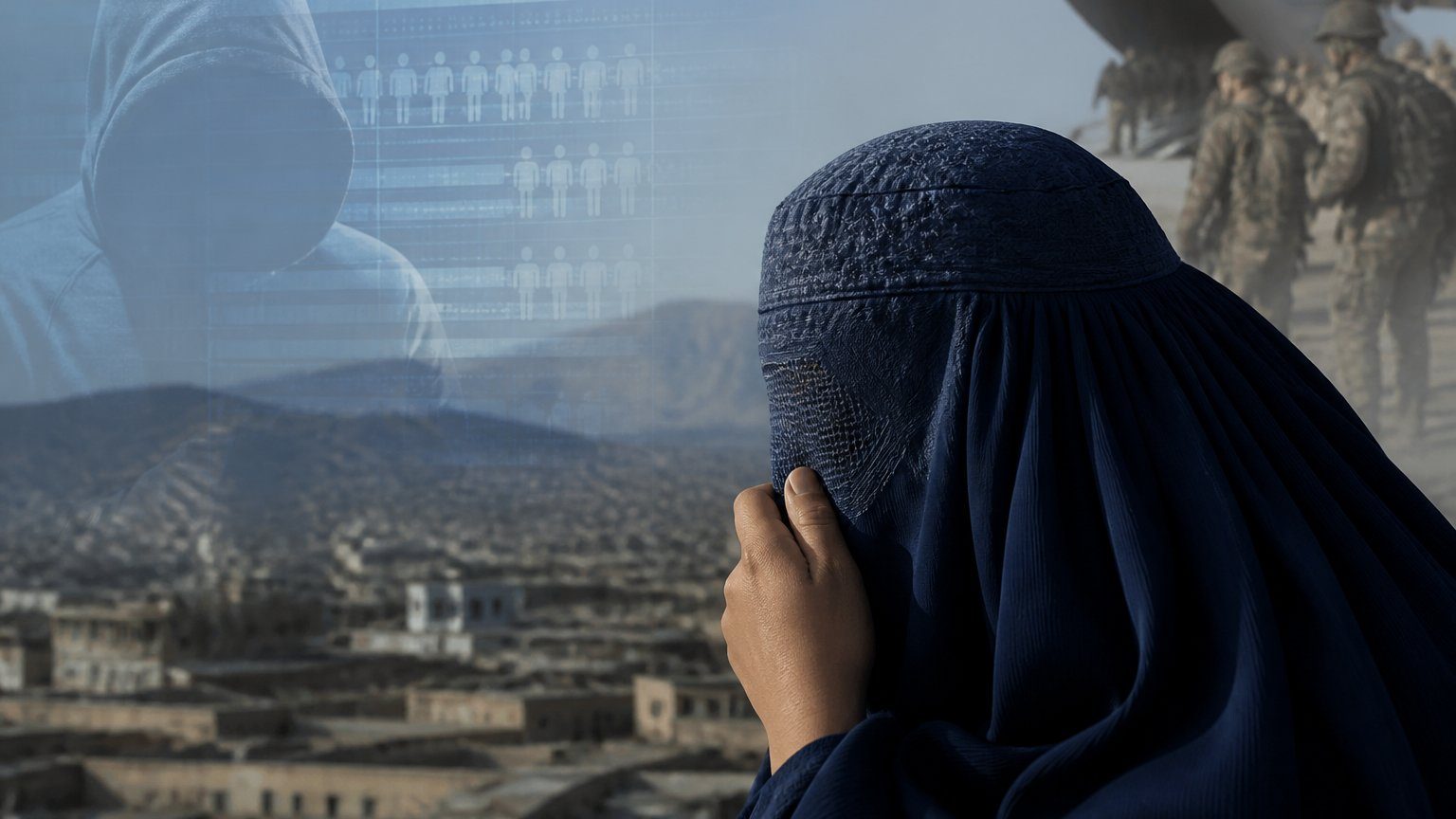
A parliamentary report says the Afghan data breach was a foreseeable failure, with the MoD accused of weak systems and overuse of secrecy.
A parliamentary inquiry has concluded that the Afghan data breach was a foreseeable failure, after personal details for thousands of people seeking to come to the UK were exposed. The Commons Defence Committee said the Ministry of Defence mishandled the Afghan relocation scheme after the fall of Kabul and relied on secrecy instead of proper oversight.
The breach came to light in August 2023, but a super-injunction kept it out of public reporting until July 2025. The committee said the leak was not the result of one person’s slip, but of wider problems that included poor tools, weak procedures, limited training, bad continuity, and a weak culture of data protection and accountability. It said one member of MoD staff shared a Microsoft Excel spreadsheet with a trusted third party. The BBC had previously reported that the breach originated from UK Special Forces headquarters.
The spreadsheet held information on more than 18,500 applicants to the Afghan Relocations and Assistance Policy scheme, which was created in April 2021 to help people who believed they were in danger because they had worked with British forces in Afghanistan, along with eligible family members. The committee said the MoD lacked the expertise to run the Afghan relocation scheme and criticised its use of Excel as a continuing cultural failure. Committee chairman Tan Dhesi said the department should focus on defence rather than immigration casework.
“A parliamentary report says the Afghan data breach was a foreseeable failure, with the MoD accused of weak systems and overuse of secrecy.”
The report also criticised the length and secrecy of the injunction, saying it lasted far longer than expected and imposed serious costs on accountability and trust. It questioned why parliamentarians were not given confidential briefings and said the government’s blanket refusal to comment on special forces matters was not appropriate in this case. The committee said special forces involvement should not stop Parliament and the public from understanding how the administrative failures happened.
The report comes after BBC Panorama revealed in February 2024 that British Special Forces had effectively held a veto over some Afghans linked to their units who applied for resettlement. BBC documents cited in the report showed a special forces officer rejected 1,585 applications in 2023 without approving any of them during that period. The government later ordered a review, and 884 former Afghan special forces members have since had their rejections overturned. The committee said that reversal rate showed how serious the failure was, while the MoD said the incident should never have happened and said it was already putting reforms in place. The takeaway for readers is simple: a scheme meant to protect allies from Taliban reprisals was undermined by government failure and too much secrecy.
Frequently asked questions
What did the parliamentary inquiry conclude about the Afghan data breach?
It concluded the breach was a foreseeable failure caused by wider problems in the Ministry of Defence, including weak procedures, poor tools, and a weak data protection culture.
How many people were affected by the exposed spreadsheet?
The spreadsheet contained information on more than 18,500 applicants to the Afghan Relocations and Assistance Policy scheme, including eligible family members.
How long was the breach kept out of public reporting?
The breach came to light in August 2023 but was kept out of public reporting by a super-injunction until July 2025.
What did the committee say about how the Ministry of Defence handled the Afghan relocation scheme?
It said the MoD mishandled the scheme after the fall of Kabul and lacked the expertise to run it, criticizing its continued use of Excel and its reliance on secrecy over oversight.
We value your privacy 🍪We use cookies for essential features and, if you allow it, to send you a notification whenever we publish a new story. See our Privacy Policy.
📨
Never Miss a Story
Get the headlines that matter delivered straight to your inbox.
📱 On iPhone: tap the Share icon, choose “Add to Home Screen”, then open TheTrueDefender from your Home Screen and tap 🔔 to turn on notifications. (Apple only allows notifications for saved web apps.)
📱 Add TheTrueDefender to your home screen for one-tap access.